China blocks Meta’s US$2B Manus acquisition amid intensifying AI rivalry
China halted Meta’s acquisition of AI startup Manus on 27 April 2026, underscoring tightening controls over technology transfers as US-China competition in artificial intelligence deepens.

- China blocked Meta’s Manus acquisition, citing regulatory compliance and national interest concerns.
- Manus executives reportedly faced exit restrictions during the regulatory review.
- The decision reflects escalating US-China competition over artificial intelligence leadership.

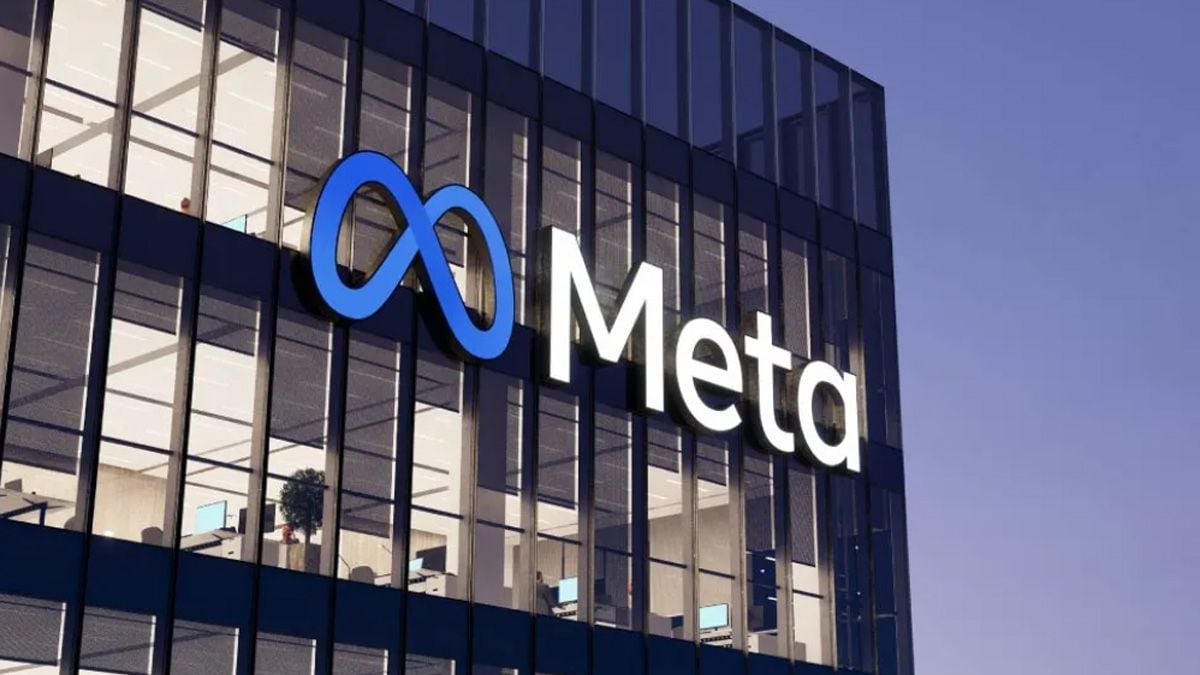
China has blocked United States technology firm Meta’s planned acquisition of artificial intelligence startup Manus, ordering the cancellation of the deal on 27 April 2026 amid intensifying competition between Beijing and Washington over advanced technologies.
The decision, issued by the National Development and Reform Commission (NDRC), represents a significant intervention in cross-border technology investment.
In a statement dated 27 April 2026, the NDRC said: “A decision has been made in accordance with the law to prohibit foreign investment in the acquisition of the Manus project, and the parties involved are required to cancel the transaction.”

Regulatory scrutiny and executive restrictions
Regulatory scrutiny surrounding the deal had intensified in the weeks leading up to the decision.
In March, Manus chief executive Xiao Hong and chief scientist Ji Yichao were reportedly barred from leaving China as authorities reviewed the transaction.
Xiao and Ji had previously been based in Singapore, where much of their personal assets had been relocated.
Their planned sale of Manus to Meta had earlier been viewed as part of a broader trend of private entrepreneurs shifting operations overseas.
The imposition of travel restrictions underscores the sensitivity of the transaction, particularly given the strategic importance of artificial intelligence technologies.
Meta’s response and deal background
Meta, headquartered in California and the parent company of Facebook, confirmed that the acquisition had complied with applicable legal frameworks.
“The transaction complied fully with applicable law,” the company said in a statement to AFP.
It added: “We anticipate an appropriate resolution to the inquiry.”
Meta had acquired Manus in December for more than US$2 billion as part of efforts to strengthen its capabilities in AI agents.
These systems are designed to perform complex tasks autonomously, requiring minimal human intervention compared with traditional chatbots.
The deal formed part of Meta’s broader strategy to compete in next-generation artificial intelligence technologies, particularly as global competition in the sector accelerates.
Manus AI relocates to Singapore and trims China workforce amid US chip export scrutiny
Manus gained prominence in March 2025 after attracting widespread attention on social media platform X. The company introduced what it described as the world’s first general AI agent.
According to its claims, the system could independently make decisions and execute tasks with minimal human prompting. This positioned Manus at the forefront of emerging AI agent technologies.
The company was frequently compared with DeepSeek, a Chinese-developed AI model that had already drawn significant attention within the technology sector.
Its parent company, Butterfly Effect, relocated its headquarters from China to Singapore approximately four months after the initial surge in attention.
The move aligned with a broader pattern of Chinese-founded technology firms shifting operations overseas to mitigate risks associated with geopolitical tensions.
Butterfly Effect also undertook substantial workforce reductions, cutting staff numbers from around 120 employees to approximately 40 core technical personnel.
Originally founded in China, the company’s relocation to Singapore placed it among a growing cluster of technology firms seeking operational stability outside mainland China.
Funding and investor interest
In early 2025, Butterfly Effect secured funding at a valuation close to US$500 million.
The investment round was led by United States venture capital firm Benchmark, according to Bloomberg.
The funding underscored continued investor interest in advanced artificial intelligence technologies, particularly those focused on autonomous systems and AI agents.
The NDRC’s decision is likely to add complexity to upcoming diplomatic engagements between the United States and China.
It could become a contentious issue at a planned mid-May summit in Beijing between US President Donald Trump and Chinese President Xi Jinping.
The move reflects broader tensions between the two countries, particularly as Washington imposes export controls aimed at restricting China’s access to advanced semiconductor technologies.
Beijing, in turn, has signalled its determination to safeguard domestic innovation capabilities and prevent strategic technologies from being transferred abroad.