Cruise ship hantavirus outbreak prompts global quarantine and emergency evacuations
A passenger repatriated from the hantavirus-hit MV Hondius developed symptoms during a flight to France, as countries across Europe and Asia intensified quarantine and screening measures linked to the deadly outbreak.
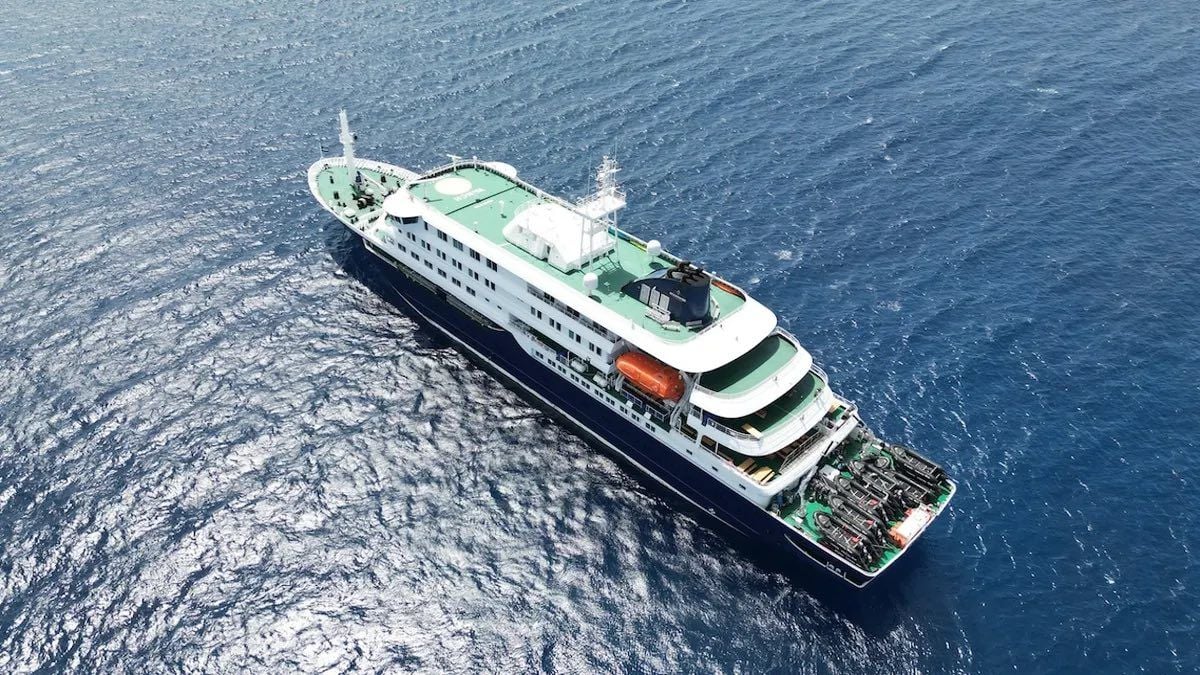
- A French evacuee from MV Hondius developed hantavirus symptoms during repatriation to Paris.
- Singapore confirmed two exposed residents tested negative and remain under quarantine monitoring.
- Countries across Europe and Asia have intensified screenings and quarantine measures linked to the outbreak.

A passenger evacuated from the hantavirus-hit cruise ship MV Hondius developed symptoms during a repatriation flight to France, prompting emergency isolation measures as governments worldwide intensified containment efforts linked to the outbreak.
French Defence Minister Sébastien Lecornu said on 11 May 2026 that the French national showed symptoms while aboard a chartered evacuation flight travelling from Tenerife to Paris.
Lecornu said all five French evacuees from the vessel were “immediately placed in strict isolation until further notice”.
The French nationals were among more than 90 passengers and crew repatriated from the Dutch-flagged cruise ship on Sunday after the vessel anchored off Spain’s Canary Islands before dawn.
Three passengers linked to the voyage have died, including two confirmed hantavirus cases.
Emergency response in France
Following the flight’s arrival at Le Bourget Airport in Paris, officials wearing full personal protective equipment met the passengers on the tarmac before ambulances transported them to Bichat hospital.
France’s Ministry for Europe and Foreign Affairs said the evacuees would remain under quarantine for 72 hours and undergo comprehensive medical assessments.
Afterwards, they will be required to self-isolate for 45 days.
The emergency measures came as authorities across multiple countries coordinated one of the largest international infectious disease repatriation efforts since the COVID-19 pandemic.
Medical teams boarded the MV Hondius after it anchored at Granadilla port in Tenerife at around 07:00 local time on Sunday.
Passengers wearing white medical masks could be seen on deck and near cabin windows as evacuations began.
Several evacuees sat socially distanced on transfer boats while filming the operation on mobile phones.
British passengers later waved and gave thumbs up to waiting media while travelling in vehicles towards evacuation flights.
Singapore confirms negative tests
Earlier on 8 May 2026, Singapore’s Communicable Diseases Agency (CDA) confirmed that two residents exposed to the outbreak had tested negative for hantavirus.
The Public Health Laboratory conducted multiple tests on samples collected from the two men and confirmed that hantavirus, including the Andes strain, was not detected.
Both men had been isolated at the National Centre for Infectious Diseases (NCID).
They were passengers aboard the MV Hondius and had travelled on the same flight as a confirmed hantavirus patient who later died.
As a precaution, Singapore authorities said both individuals would remain under quarantine for 30 days from their last known exposure.
Additional testing will be conducted before their release.
CDA said the men would then undergo telephone surveillance for the remaining monitoring period of 45 days, reflecting the virus’ maximum incubation window.
“The risk to the general public in Singapore remains low,” CDA said.
The agency added that it remained prepared to strengthen public health measures if new developments indicated heightened risks.
The first individual, a 67-year-old Singaporean, returned to Singapore on 2 May.
The second, a 65-year-old Singapore permanent resident, arrived on 6 May.
CDA said authorities were informed on 4 May and 5 May that both men had travelled aboard the MV Hondius after it departed from Ushuaia, Argentina, on 1 April.
The ship later reported an outbreak involving the Andes hantavirus strain.
Both men had also travelled on the same flight as a confirmed hantavirus case from St Helena to Johannesburg on 25 April.
That passenger later died in South Africa.
Regional monitoring intensifies
Countries across Southeast Asia have increased surveillance and screening measures amid fears of wider transmission linked to the cruise outbreak.
Malaysia has intensified health screenings at all international entry points, particularly within the maritime sector.
Health Minister Dzulkefly Ahmad said on 10 May that Malaysia had recorded zero hantavirus cases involving either local residents or Malaysians abroad.
He said the six laboratory-confirmed cases highlighted internationally were all detected overseas.
Indonesia reported two suspected hantavirus cases in Jakarta and Yogyakarta on 8 May.
Health Ministry communications chief Aji Muhawarman said Indonesia had recorded 23 confirmed hantavirus cases between 2024 and 2026, including three deaths.
Health Minister Budi Gunadi Sadikin said Indonesian authorities were coordinating with the World Health Organization (WHO) to strengthen screening and early detection systems.
Thailand has also intensified nationwide surveillance procedures despite recording no confirmed cases so far.
Vietnam and Cambodia have introduced preventive monitoring measures at international airports following the cruise ship outbreak.
Mass repatriation operation
Multiple countries continued evacuating passengers and crew from Tenerife throughout Sunday and Monday.
Fourteen Spanish nationals evacuated from Tenerife to Madrid were placed under mandatory quarantine at a military hospital.
British nationals were flown to Manchester for monitoring.
The UK Health Security Agency (UKHSA) said none of the British passengers had reported symptoms.
A separate aircraft carrying 26 passengers and crew, including eight Dutch nationals, arrived in the Netherlands.
Another flight departed for the United States carrying 18 people, including all remaining American passengers and one British resident of the US.
The US Department of Health and Human Services said one American passenger began displaying mild symptoms after evacuation.
Another passenger tested mildly positive for the Andes strain.
Both individuals travelled inside aircraft biocontainment units “out of an abundance of caution”, the department said.
Flights for Turkish and Irish citizens were also scheduled on Sunday.
Spanish Health Minister Mónica García said the final evacuation flights would depart on Monday afternoon.
Six passengers are due to return to Australia, while another 18 people will be flown to the Netherlands aboard multinational evacuation flights.
Spain’s Health Secretary Javier Padilla said more than 90 of the ship’s 150 passengers and crew would have been repatriated by the end of Sunday.
Filipino crew members quarantined
The Philippines confirmed that 24 of the 38 Filipino crew members aboard the MV Hondius would be repatriated to the Netherlands for quarantine.
Department of Migrant Workers Secretary Hans Cacdac said the affected Filipino crew members worked as hotel stewards aboard the vessel.
Four crew members were scheduled for repatriation on Sunday, with the remainder departing on Monday.
“And there in the Netherlands, they will commence their quarantine period, which will run up to about six weeks,” Cacdac said during a virtual press conference.
About hantavirus
According to the World Health Organization, hantaviruses are rodent-borne viruses capable of causing severe diseases in humans.
These include hantavirus cardiopulmonary syndrome in the Americas and haemorrhagic fever with renal syndrome in Europe and Asia.
Transmission usually occurs through exposure to infected rodents, their saliva, urine, or droppings.
Limited human-to-human transmission has only been documented with the Andes strain in South America.
Symptoms commonly begin with fever, headaches, muscle pain, and gastrointestinal illness before potentially progressing to severe respiratory, cardiac, or kidney complications.
There is currently no specific antiviral treatment or approved vaccine for hantavirus infections.
Prevention measures focus on reducing exposure to rodents and maintaining strict hygiene and sanitation practices.