Hegseth grilled by Congress over depleted US weapons stockpiles as Iran war costs hit US$29 billion
US Defence Secretary Pete Hegseth faced bipartisan congressional scrutiny on Tuesday over weapons stockpile depletion, the rising US$29 billion cost of the Iran war, and the absence of a defined end game.
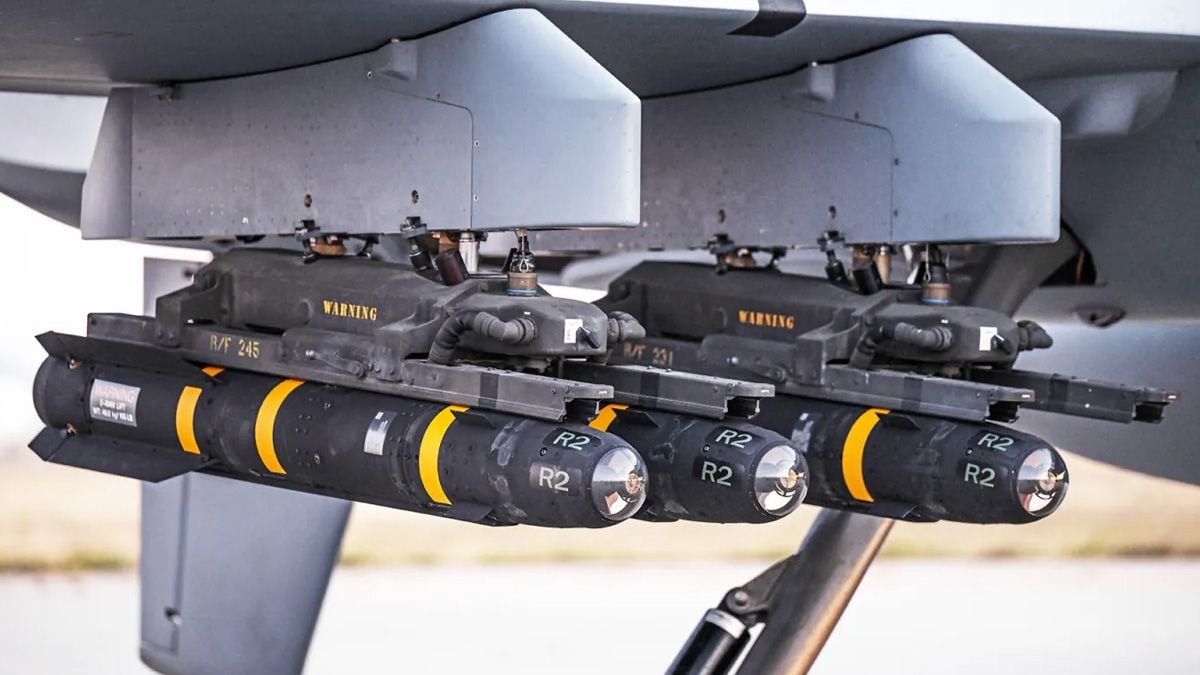
- Hegseth rejected claims of munitions depletion, but independent analysts warned stockpiles on four key weapons systems are more than half depleted.
- The Iran war's cost has risen to US$29 billion, up from US$25 billion reported two weeks prior.
- Both Republican and Democratic lawmakers pressed Hegseth for a coherent strategy and defined end game for the conflict.

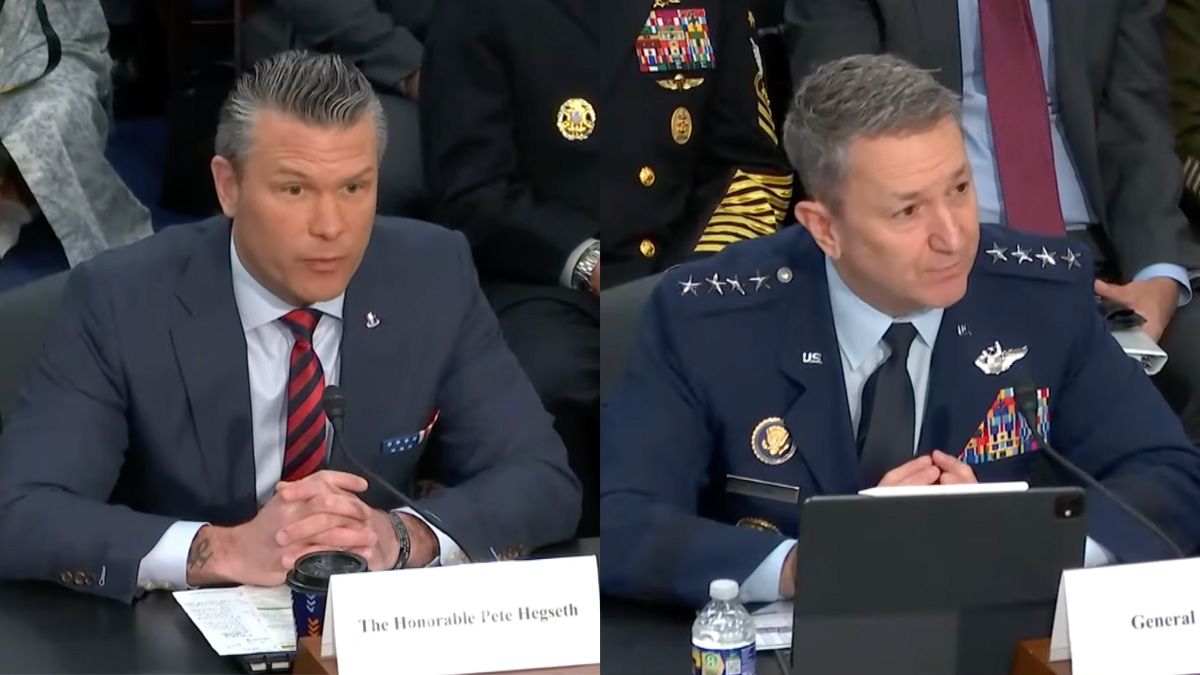
US Defence Secretary Pete Hegseth faced sustained bipartisan pressure in Congress on Tuesday over the depletion of American weapons stockpiles, the escalating financial cost of the Iran war, and the absence of a clear end game for the conflict.
The hearings, held before the House and Senate Appropriations defence subcommittees, were convened to review the Trump administration's proposed 2027 military budget, which calls for a historic allocation of US$1.5 trillion. They quickly became a forum for scrutiny of an ongoing war that appears locked in a stalemate.
Hegseth pushed back against characterisations that munitions had been significantly drawn down, telling House lawmakers: "I take issue with the characterisation that munitions are depleted in a public forum. That's not true."
He added that the concerns expressed by lawmakers had been "unhelpfully overstated" and that the military had "plenty of what we need." He said the defence industry had been instructed to "build more and build faster."
Stockpile warnings from independent analysts
Hegseth's assurances contrasted sharply with an assessment published in April by the Centre for Strategic and International Studies (CSIS), a Washington-based think tank.
The organisation described an alarming picture of US munitions levels, warning that American forces had expended more than half of the prewar inventory across four key weapons systems.
The CSIS analysis added that rebuilding those stockpiles to levels adequate for a potential conflict with China "will take additional time," raising concerns about broader military readiness beyond the current theatre.
Hegseth did acknowledge, even while disputing the severity of the depletion, that the Trump administration was actively working to scale up weapons production across both House and Senate hearings.
War costs climb to US$29 billion
Pentagon comptroller Jay Hurst told lawmakers that the total cost of the Iran war had risen to approximately US$29 billion, up from the US$25 billion figure he had disclosed to Congress roughly two weeks earlier.
Of the updated total, approximately US$24 billion is attributed to replacing and repairing munitions as well as operational costs to maintain deployed forces. Hurst noted that the revised estimate does not include the cost of repairing or rebuilding US military installations in the region that have sustained damage.
Democrats challenge strategy and end game
Connecticut Representative Rosa DeLauro, the ranking Democrat on the House Appropriations Committee, questioned what the conflict had achieved and at what cost. "This administration has not presented Congress with any kind of clear or coherent strategy week to week, day to day, hour to hour," DeLauro said. "The rationale shifts, the objectives change. The end game is ill-defined when it is defined at all."
Senator Patty Murray, a Democrat from Washington state, challenged Hegseth on transparency over war expenditure. "You're spending families' hard-earned tax dollars on a war that many strongly oppose, and you're forcing people to pay more at the pump," Murray said. "And yet you're not even providing a real breakdown for the cost of this war."
Hegseth responded by framing the cost in strategic terms. "What is the cost of Iran obtaining a nuclear weapon?" he said, adding that President Donald Trump had made a "historic and courageous choice" in confronting the threat.
Delaware Senator Chris Coons, the ranking Democrat on the Senate subcommittee, repeatedly pressed Hegseth on how the administration intended to reopen the Strait of Hormuz to commercial shipping. "If we control it, how do we reopen it?"
Coons asked in a tense exchange. Hegseth accused Coons of being disingenuous and ignoring what he called "incredible battlefield successes." Coons replied that he was concerned the administration had "achieved a series of tactical successes but are on the verge of a strategic loss."
Republicans raise concerns over allies and troop drawdown
Pushback from within Hegseth's own Republican Party was notable. Senate Appropriations defence subcommittee chairman Mitch McConnell of Kentucky told Hegseth directly that "NATO is the most important military alliance in world history," adding that European allies appeared to believe the United States was reducing its presence and leaving them to fend for themselves.
Oklahoma Representative Tom Cole, the Republican chairman of the House Appropriations Committee, cautioned that "America First has never meant American alone," saying that "American power is most effective when it is exercised in concert with like-minded nations who share our interests and our values."
Minnesota Representative Betty McCollum, the defence subcommittee's ranking Democrat, asked whether the military had a plan to draw down forces in the Middle East if congressional efforts to end the war were to succeed. Hegseth said contingency plans existed for escalation, withdrawal, and asset reallocation, but declined to disclose specifics publicly.
California Representative Ken Calvert, the Republican chair of the House defence subcommittee, raised the question of long-term military capacity. "Questions persist about whether we are building the depth and reliance required for a high-end conflict," Calvert said.
Ceasefire talks and economic pressure
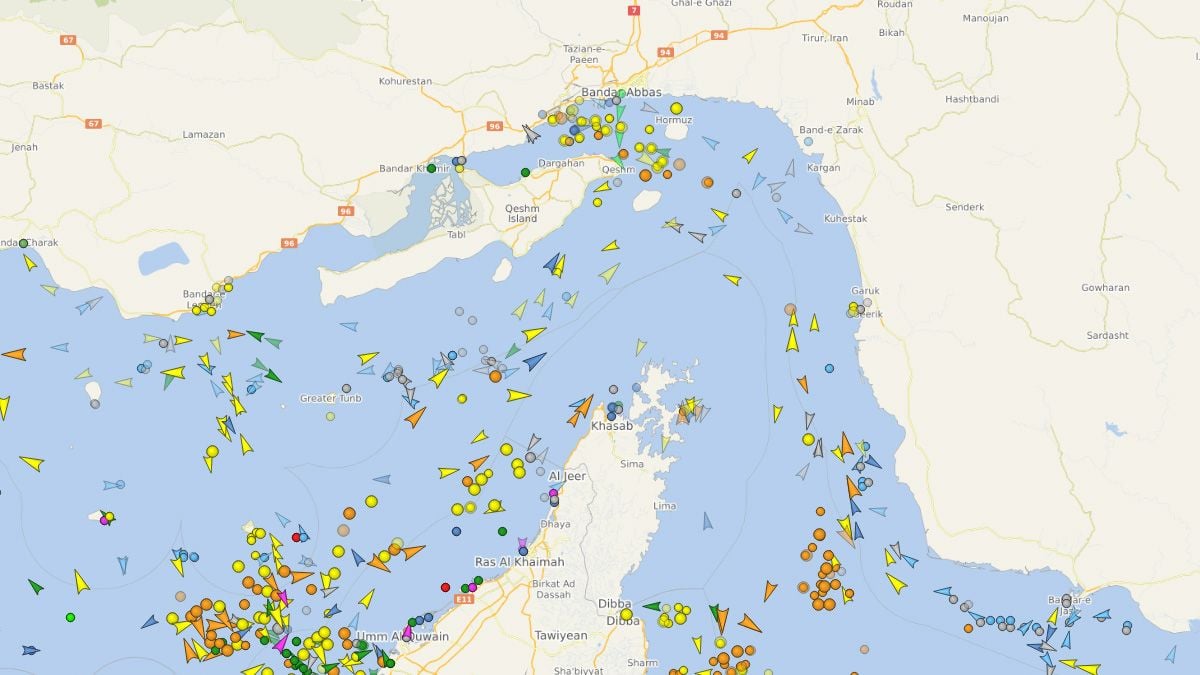
The hearings took place against a backdrop of stalled ceasefire negotiations and mounting economic pressure from Iran's effective closure of the Strait of Hormuz, through which approximately 20 per cent of the world's oil supply normally passes.
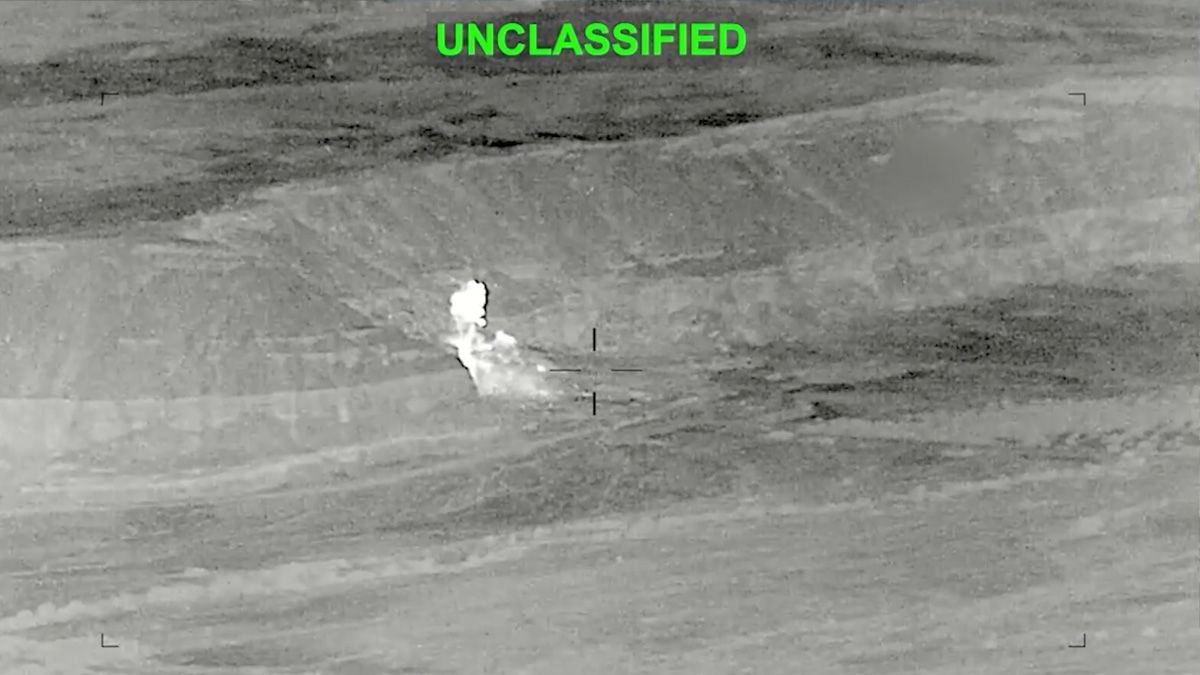
The US military has blockaded Iranian ports, and forces on both sides have exchanged fire, with American forces intercepting attacks on warships and disabling oil tankers linked to Tehran.
Trump said on Monday that ceasefire prospects were on "massive life support," criticising Iran's latest proposal as the weakest yet and insisting that Tehran must significantly curtail its nuclear programme. He also indicated he intended to propose a suspension of the federal petrol tax to ease the burden of surging fuel prices on American consumers.
General Dan Caine, the chairman of the Joint Chiefs of Staff, who appeared alongside Hegseth at both hearings, said the president was being briefed with carefully considered military options.
Senator Susan Collins of Maine, a Republican facing a competitive re-election contest, questioned whether the administration had anticipated Iran's closure of the Strait. She voted with Democrats last month on a failed effort to halt the conflict, saying she wanted to see a defined strategy for bringing the war to a close.