Identity thieves nearly secured S$2.9m loan using forged documents against Katong homeowner
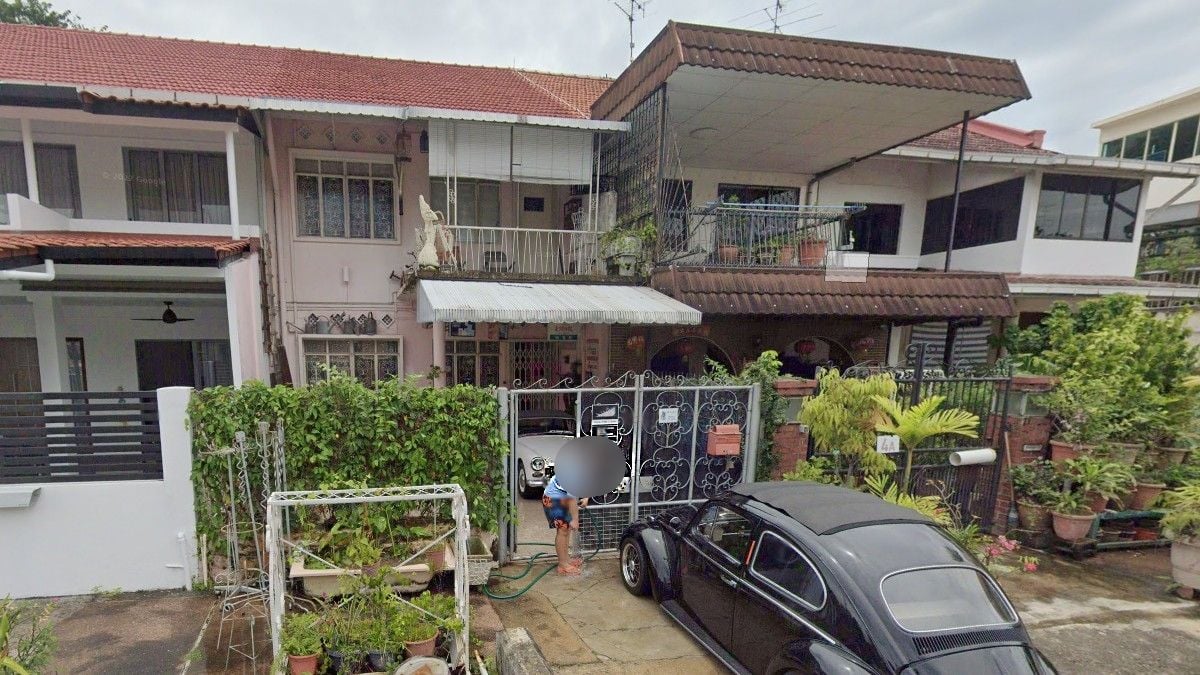
A Singapore homeowner discovered his identity had been stolen and used in an attempt to secure a S$2.9 million loan against his Katong property, with investigators now probing at least two victims.
- A Singapore homeowner discovered identity thieves tried to secure a S$2.9 million loan using forged NRICs and fake income records linked to his Katong property.
- The fraud involved a fake caveat on the property, staged site activity, and impersonation through law firms and company records.
- Police and agencies are investigating after a second victim was also found using a similar identity theft method.

A Singapore homeowner discovered that identity thieves had attempted to use his Katong landed property as collateral for a S$2.9 million loan, using forged identity documents and fabricated income records, The Straits Times (ST) reported.
Elgar Kwek, 49, a freelance violinist, said he first became aware of the fraud on 2 April when he received a letter from the Singapore Land Authority (SLA) showing that a caveat had been lodged against his property by a credit company.
A caveat is a legal document lodged by a potential buyer or lender asserting an interest in a property.
Kwek told ST he had no intention of selling the home, which he co-owns with his mother and purchased in 2008, with the mortgage fully paid off by 2019.
Forged NRIC and income documents
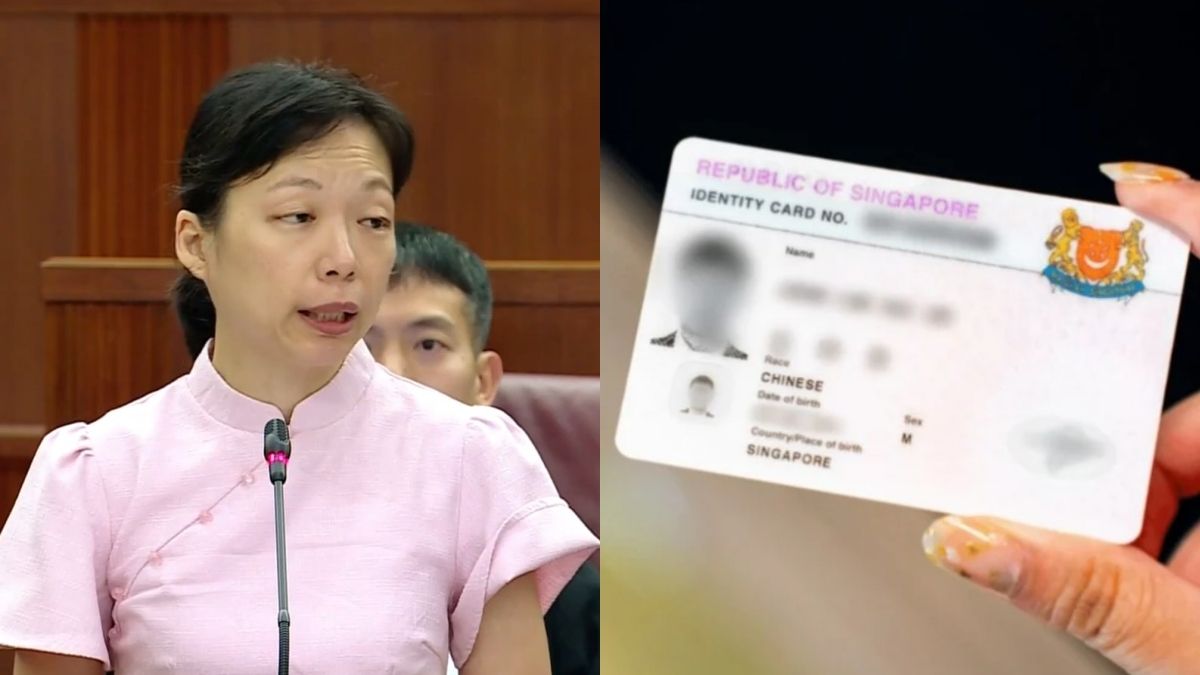
Upon contacting the credit company, Kwek learnt that an imposter had submitted what purported to be his National Registration Identity Card (NRIC) to apply for a loan, according to ST's report.
The imposter also submitted a notice of assessment, which may have been forged, falsely claiming Kwek had earned S$170,000 in 2025 from two companies registered under his name.
Kwek told ST he has no connection to either company — one registered in 2023 and the other in 2025.
The credit company informed him that the imposter had engaged one law firm to lodge the caveat and another to obtain a replacement deed for the property from SLA, ST reported.
"They were just one small step away from getting the S$2.9 million loan and I'm very sure they would have run away with that money," Kwek told ST.
A second victim identified
ST's checks revealed that Kwek may not have been the sole target.
A woman, referred to by ST as Alice — not her real name — whose name appears in connection with the same two companies, told the publication that her identity had also been stolen using a similar method, including a forged NRIC.
Alice told ST that thieves attempted to use her identity to secure a loan of more than S$2 million from a foreign bank.
In her case, the forged NRIC listed her address as a landed property on Swanage Road, near Kwek's home. Kwek's forged NRIC listed the same address — his mother's house.
The two victims, who are not known to each other, each filed separate police reports upon discovering their identities had been used fraudulently, ST reported.
A suspicious photo shoot
ST reported that the first indication of trouble came on 1 April, when a group booked Kwek's property for a three-hour photo shoot.
Kwek, who rents his home for shoots and filming events, was performing at a company event that day.
His partner, Brenda Chow, remained at the property.
Chow told ST that during the shoot, she noticed a woman standing apart from the group, and was told by organisers not to approach her so as not to disrupt her work.
"I was told she was the film producer and that I should not speak to her so as not to interrupt her artistic process," Chow told ST.
When Chow noticed the woman taking measurements of the property and recording them, she intervened.
The woman identified herself as a property valuer, at which point Chow asked her to leave immediately, according to ST.
The booking had been made by a man who gave his name as "Andy."
Chat logs reviewed by ST showed that "Andy" claimed to be unaware that the woman was a property valuer.
When ST contacted "Andy" on 21 May, he confirmed he had rented the property but declined to elaborate, citing ongoing investigations.
Forged documents reviewed
Representatives from the credit company met Kwek at his home on 3 April to verify his account, ST reported.
At that meeting, they produced a copy of the forged NRIC that the imposter had submitted.
Kwek told ST that the photograph, Chinese name, and date of birth on the document were not his, and that the man depicted wore glasses, which Kwek does not.
He said he did not recognise the individual in the photograph.
ST reported that copies of the forged NRICs were shown to the publication.
Alice told ST that one of the two companies, which lists Kwek as shareholder and director, had been registered by her, and that she was not informed when his details were subsequently added.
She said she was interviewed by police in April after Kwek had filed his report, and that it was only then she learnt she was also a victim.
The imposter had used her photograph in a forged NRIC but paired it with Kwek's mother's name and address, according to ST.
Authorities respond
Police confirmed both incidents are under investigation.
SLA and the Accounting and Corporate Regulatory Authority (ACRA), which manages Singapore's business registry, are also conducting separate probes, ST reported.
An SLA spokesperson told ST the authority is looking into a suspected impersonation case, and that it has been in contact with affected parties and is closely monitoring related filings.
"We are unable to comment on the specific case in the ongoing investigation," the spokesperson told ST.
ACRA told ST that company incorporations in Singapore must be carried out through its Bizfile platform, with individuals required to authenticate via Singpass with facial verification.
Where registered corporate service providers (CSP) handle incorporations on behalf of clients, ACRA said those providers are obligated to verify the identity of all proposed directors and obtain written consent from them.
"If an incorporation is carried out by a CSP, the CSP must ensure that the transaction is authorised and perform customer due diligence," an ACRA spokesperson told ST, adding that the authority could not comment further as the matter is under investigation.
An SLA spokesperson told ST that applications such as replacement certificate of titles and caveats are lodged by law firms acting for clients, and that SLA requires such applications to be supported by documents including statutory declarations and certificates of correctness.
Under the Land Titles Act, the certificate of correctness is a legal declaration that all information submitted for land or property registration is accurate.
Law firms draw scrutiny
ST reported that it contacted the law firm which had acted for the credit company to inquire about due diligence procedures for verifying Kwek's identity, but the firm declined to comment, citing ongoing investigations.
A second law firm, which obtained the replacement deed, confirmed it is cooperating with relevant authorities but also declined further comment.
Kwek told ST he was dissatisfied with how the second firm had responded when he sought information about who ordered the replacement deed.
"They did a disservice to me but they said they will not meet me even after this whole saga ends," he told ST.
Kwek also raised questions about the law firms' verification procedures.
"How can the law firms not do their due diligence — the NRIC is obviously fake? The photo in the NRIC is of a totally different man," he told ST.
Caveat withdrawn
The caveat lodged against Kwek's property has since been cancelled, and SLA confirmed he retains full ownership.
Kwek told ST that while he found the episode inconvenient, he acknowledged that the credit company stood to suffer far greater losses.
"I am very amused and amazed by what the scammers have done, especially as it involves very important government agencies and law firms," he told ST.
Kwek also expressed concern about the broader systemic vulnerability the case had revealed.
"I'm also shocked at how someone could impersonate me to register companies in Singapore without me finding out," he said.
Editor's note: TOC considered including background on a related ACRA policy controversy but has withheld it following an assessment of applicable Singapore legislation and its potential reach.