Two killed in Kenya protests over US-backed Ebola facility as court extends suspension order
Two people were killed during protests in Nanyuki against a proposed US-backed Ebola quarantine facility at Laikipia Air Base, as a Kenyan court extended a suspension on the project and ordered further disclosures.
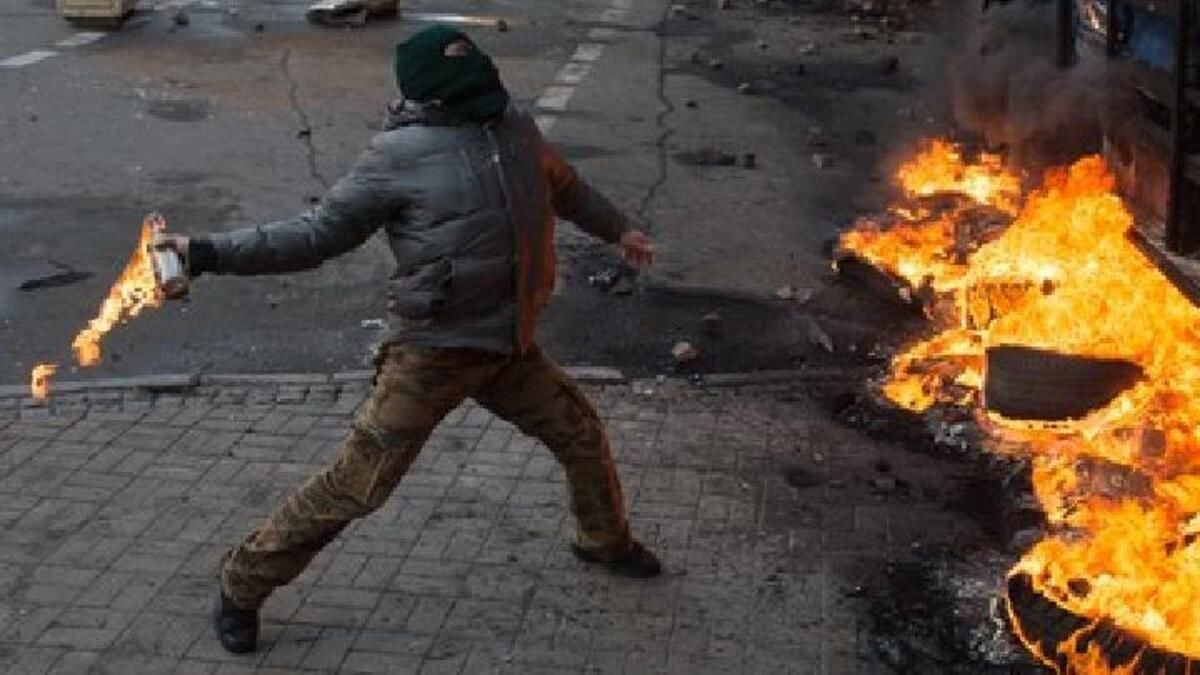
- Two people died during protests against the proposed Ebola quarantine facility near Nanyuki.
- The High Court extended its suspension of the project and ordered further government disclosures.
- Residents oppose the facility while the government argues it supports regional disease preparedness.

Two people have been killed in the central Kenyan town of Nanyuki during protests against a proposed United States-backed Ebola quarantine facility at a nearby military base, intensifying public anger over a project that has already been suspended by the High Court.
The demonstrations took place as residents opposed plans to establish a 50-bed quarantine and monitoring unit at Laikipia Air Base, a Kenya Defence Forces facility near Nanyuki.
The centre is intended to receive Americans who have been exposed to Ebola while in the Democratic Republic of Congo or Uganda but are not yet showing symptoms.
Protest organiser Patrick Wahome said two people died from gunshot wounds after police opened fire during Monday’s demonstrations. A security source also confirmed that two people had died, although the source did not specify the cause of death.
Police spokesperson Michael Muchiri said he was not aware of any deaths.
One of the victims was reportedly shot near the Laikipia Air Base area, where the demonstration was taking place, and later died after being taken to hospital by friends. The second victim was reportedly already dead when he was brought to hospital by soldiers.
The circumstances of both deaths remain unclear, and officials have not publicly provided a detailed account of the incident.
According to accounts from local sources, both bodies were taken to the hospital morgue and appeared to have gunshot wounds. One was said to have a wound to the chest, while the other had a wound to the shoulder. Wahome said one of the men was shot while “heading home after closing his business”. The details surrounding the death of the second man have not been confirmed.
The fatal incident followed a large protest in Nanyuki, where hundreds of residents marched through the streets, blocked roads and burned tyres. Police fired tear gas to disperse the crowd as tensions escalated around the planned Ebola facility.
The deaths have deepened local hostility towards the project. Residents say they fear that bringing people exposed to Ebola into Kenya could endanger nearby communities, especially as the country has no confirmed cases of the disease and has never recorded an Ebola outbreak.
Community members have also questioned the choice of location. They argue that the proposed site is close to homes, schools and workplaces, making it difficult to guarantee that the facility would remain isolated from the surrounding population.
“We are real people with real children, real schools and real communities. Ebola is where we draw the line,” resident Marlin Ndegwa said during a press conference in Nanyuki.
Other residents accused the government of ignoring public concerns. Trader Lewis Ngunyi said the community felt it was being treated as “dispensable”, while businessman Martin Githaiga argued that Ebola outbreaks should be managed where they begin rather than transferring exposed people to another country.
The protests are expected to continue. Residents have announced a fresh round of demonstrations beginning on June 9 and said they would mobilise wider support across the country against the project.
The controversy has also moved through the courts. On Tuesday, Kenyan High Court Judge Patricia Nyaundi extended the suspension of the planned facility for another three weeks. The judge barred the Kenyan government from taking any steps to build or begin operating the centre until the legal challenge is resolved.
The court also ordered the government to disclose all agreements, approvals, risk assessments and operational protocols related to the facility within seven days. The next hearing was scheduled for June 23.
The case was brought after legal and civil society groups challenged the project, citing concerns over public consultation, exposure risks and Kenya’s capacity to manage Ebola. The High Court had previously issued a temporary order suspending construction and preventing the arrival of patients.
Despite the court order, questions have continued over whether activity linked to the site has gone ahead. Reports have said US military aircraft continued bringing personnel and equipment into Kenya after the initial suspension. A lawyer representing residents arrested during earlier protests said he was gathering evidence for a possible contempt of court application.
President William Ruto has defended the agreement with Washington, saying the facility forms part of Kenya’s wider disease preparedness and reflects a long-standing health partnership with the United States.
“When President Trump asked the government of Kenya to support them by having a centre at Laikipia Air Base, I gave the okay,” Ruto said.
“We are a responsible government. We know what we are doing.”
Ruto said it would be “inhuman” to reject a request from the United States to establish the facility at its own cost, pointing to Washington’s previous support for Kenya’s health infrastructure.
Health Cabinet Secretary Aden Duale has said the quarantine facility would not be reserved only for Americans and would also serve Kenyans. US officials, however, have not publicly confirmed that the facility would be used for Kenyan patients.
The US Embassy in Kenya has said the bio-isolation facility is part of a wider response to prevent the spread of Ebola and reduce regional health risks. It said the centre would follow strict protocols and would not pose a risk to nearby communities.
The United States has committed about KSh1.7 billion, or $13.5 million, to support Kenya’s Ebola preparedness. Additional US support has also been announced for the broader regional response.
The planned facility comes amid an outbreak of the Bundibugyo strain of Ebola centred in eastern Democratic Republic of Congo, with cases also reported in neighbouring Uganda.
The World Health Organization declared an international public health emergency in May after officials detected the strain, which had reportedly been circulating for weeks before confirmation.
The Bundibugyo strain is less common than the Zaire strain, and there are no approved vaccines or treatments for it. The outbreak has raised concern because of delayed detection, cross-border spread and pressure on health systems in affected areas.
Africa CDC has warned that fear, misinformation and mistrust could undermine efforts to control the outbreak. The agency recently condemned an attack on a treatment facility in Ituri Province in the DRC and said violence against health workers and facilities could disrupt patient care, disease surveillance, contact tracing and infection prevention.
In Kenya, the deaths of the two protesters have sharpened the dispute over the Nanyuki facility. Residents are demanding that the project be abandoned, while the government maintains that it is part of national and regional preparedness. The court process is now expected to determine whether the plan can proceed and under what conditions.