US and Iran reach agreement to end war and reopen Strait of Hormuz
The United States and Iran have announced an agreement to end hostilities, lift Washington's naval blockade and reopen the Strait of Hormuz, with a formal signing set for Friday in Geneva.
- US and Iran agree to end war, reopen Strait of Hormuz from Friday.
- Iran says nuclear talks depend on US releasing frozen funds.
- World leaders welcome deal but stress Iran must not gain nuclear weapons.

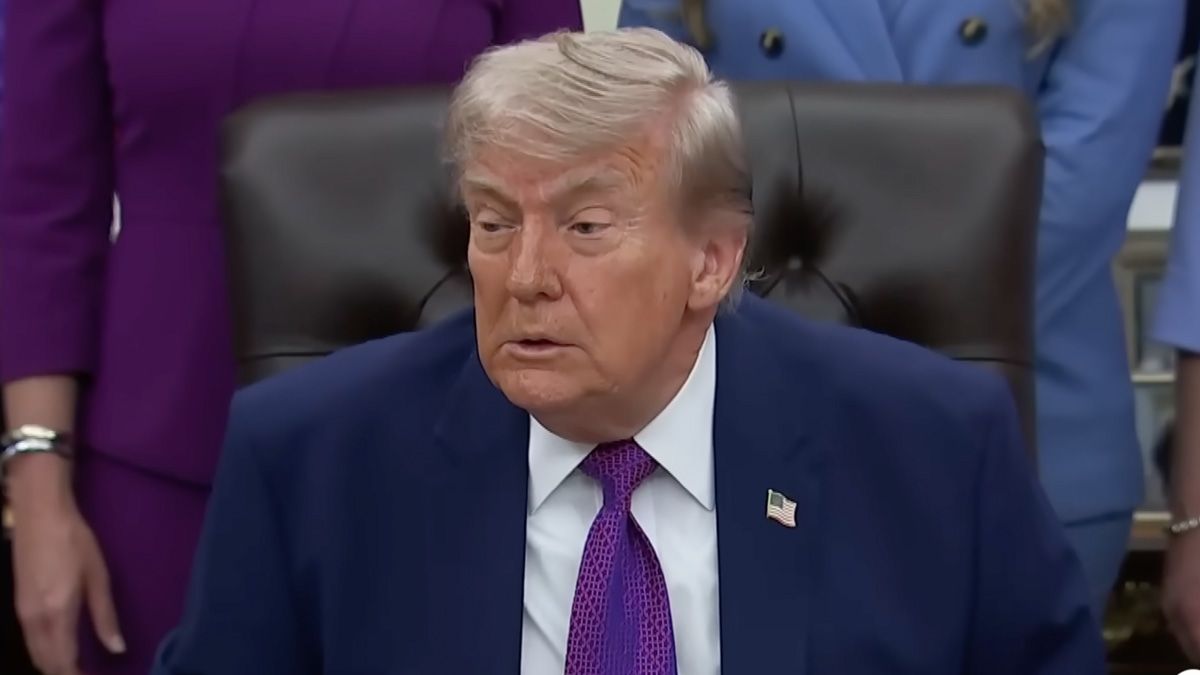
President Donald Trump announced on his Truth Social platform on Sunday that the agreement with Iran was complete, authorising the toll-free reopening of the Strait of Hormuz and the immediate removal of the US naval blockade.
In a follow-up post, Trump said the agreement would bring peace and security to the wider region, and described it as succeeding where previous administrations had failed. He said oil would "flow" again for the region and the world once the deal is signed on Friday.
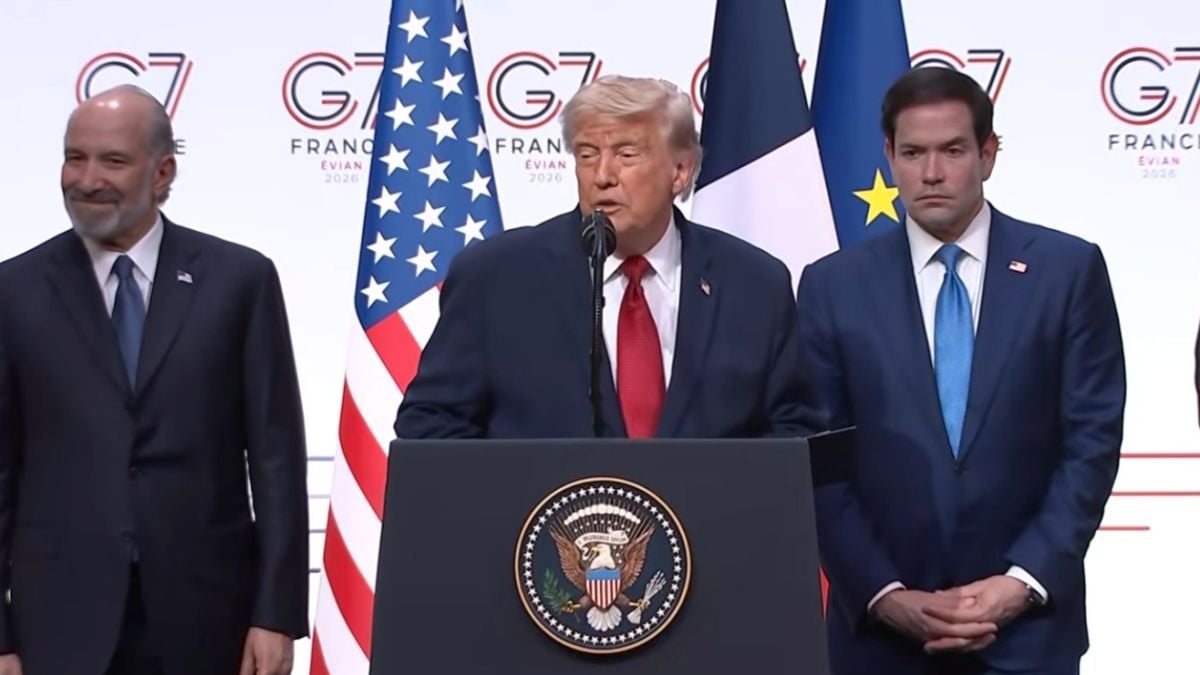
Pakistani Prime Minister Shehbaz Sharif said the agreement would be signed by both parties in Geneva, Switzerland, on Friday, following the conclusion of the Group of Seven (G7) summit in Évian-les-Bains, France.
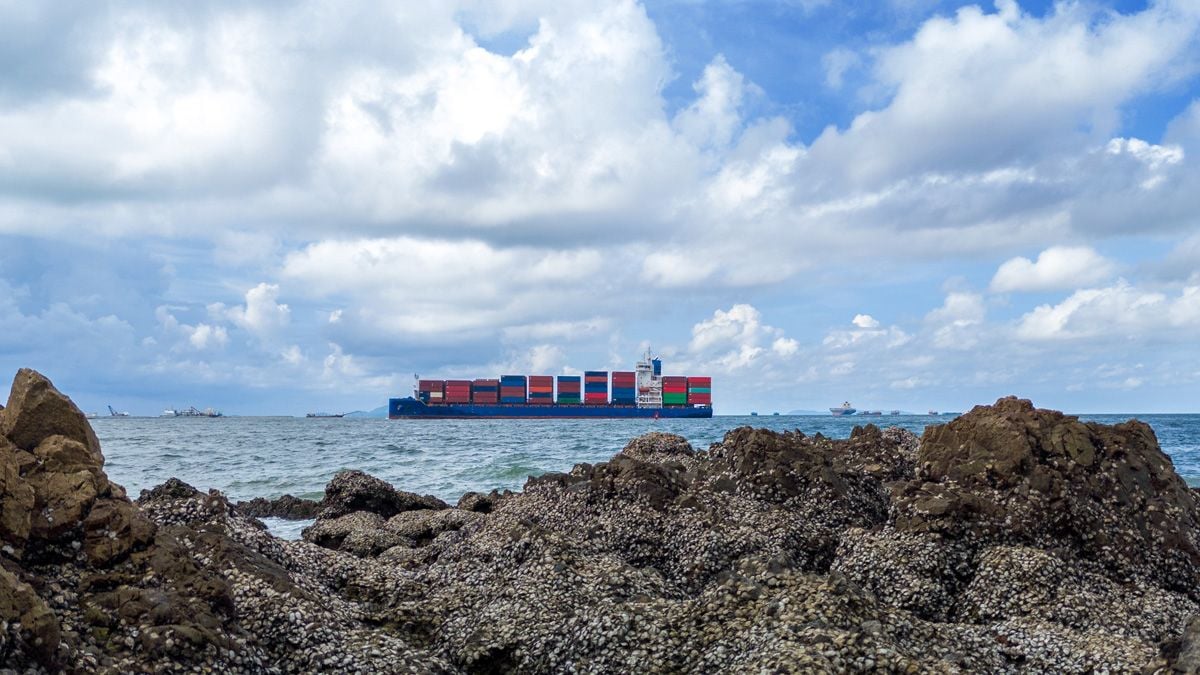
Strait of Hormuz to reopen after months of disruption
Speaking to The New York Times, Trump said the agreement would ultimately make the Strait of Hormuz "permanently toll free". Iran had not previously imposed tolls on shipping through the strait, meaning the arrangement would largely restore conditions that existed before the conflict.
Brent crude and US crude oil prices fell on Sunday following the announcement, according to market data cited by CNN.
British Prime Minister Sir Keir Starmer said toll-free freedom of navigation through the Strait of Hormuz must now be restored, adding that Iran must never be permitted to acquire a nuclear weapon.
French President Emmanuel Macron said the agreement should allow for the urgent and unconditional reopening of the strait, and that an international mission established with the United Kingdom was ready to support this.
Conditions attached to nuclear talks
Iran's Deputy Foreign Minister, Kazem Gharibabadi, said 60-day negotiations between Tehran and Washington, due to follow Friday's signing of the Islamabad Memorandum of Understanding, would depend on the US meeting three commitments.
These commitments, according to remarks reported by Iranian state media, are ending the naval blockade, ending the state of war and military operations, and releasing billions of dollars in frozen Iranian funds.
Gharibabadi said entry into the 60-day negotiations was conditional on US implementation of these steps, after which technical working-group talks would begin. Further discussions on the structure of negotiations would take place in Switzerland.
Trump said that if Iran failed to reach an adequate agreement on its nuclear programme in the coming weeks, the US would either resume military action or position itself as security guarantor for the Middle East in exchange for a share of regional revenues.
Mediation efforts amid strikes on Beirut
According to people familiar with the matter cited by CNN, US officials had feared the agreement was close to collapse earlier on Sunday after Israeli strikes targeted Hezbollah positions in Beirut's southern suburbs.
Officials worked through Qatari intermediaries, who had spent 17 hours in Tehran attempting to finalise the deal, to prevent further escalation amid concerns that Iran was preparing retaliatory strikes on Israel.
Vice President JD Vance told Fox News that, following the strikes on Beirut, US officials had received assurances from Iran that it would not respond militarily and would proceed with signing the agreement.
A US official said Trump had expressed strong displeasure to Israeli Prime Minister Benjamin Netanyahu over the strikes during a phone call.
In the New York Times interview, Trump also criticised Netanyahu, saying he was "a very difficult guy" and suggesting Israel should be grateful for the diplomatic outcome.
Separately, a US official said Tehran had sought to avoid the agreement being announced before midnight in Iran on Sunday, which coincided with Trump's 80th birthday in the United States.
International reactions
United Nations Secretary-General António Guterres welcomed the agreement, describing it as providing for an immediate and permanent ceasefire, the reopening of the Strait of Hormuz, and a framework for further negotiations, and called it a critical step towards a peaceful settlement.
In a joint statement, leaders of Britain, France, Germany and Italy said Iran must never acquire a nuclear weapon, and that they stood ready to work with the US, Iran and the International Atomic Energy Agency towards that goal.
German Chancellor Friedrich Merz congratulated both sides on the diplomatic breakthrough, saying it could support a stronger global economy and a more secure Middle East, provided it was implemented with determination.
Turkish President Recep Tayyip Erdoğan welcomed the framework agreement but urged restraint and vigilance against possible sabotage before the signatures are formally affixed, according to Turkey's state-run Anadolu Agency.
Australian Prime Minister Anthony Albanese and Foreign Minister Penny Wong said the agreement offered an opportunity for durable peace through dialogue, while reiterating that Iran should address longstanding concerns over its nuclear programme.
Japanese Prime Minister Sanae Takaichi said Japan strongly hoped for the practical assurance of free and safe navigation through the Strait of Hormuz and a swift final settlement of Iran's nuclear issue.
New Zealand Foreign Minister Winston Peters described the deal as a pivotal step towards reducing regional tensions, while emphasising that dialogue and diplomacy remained the most effective tools for resolving longstanding disputes.
Qatari Prime Minister Mohammed bin Abdulrahman bin Jassim Al Thani, who has played a central mediating role throughout the conflict, expressed hope that all parties would engage constructively to consolidate progress.
Israel had not officially responded to the agreement at the time of writing.