Thai appeal court orders Isoc to compensate two human rights defenders smeared online
Thailand's Court of Appeal has ordered the Internal Security Operations Command to pay 210,000 baht to two human rights defenders and remove online content that damaged their reputations, overturning part of a lower court ruling.
- Court of Appeal finds Isoc liable for online disinformation targeting two human rights defenders.
- Isoc ordered to pay 210,000 baht total and remove content within seven days.
- UN Human Rights Office and rights groups welcome ruling as state accountability precedent.

Thailand's Court of Appeal has ordered the Internal Security Operations Command (Isoc) to pay 210,000 baht in compensation to two human rights defenders and to remove online content that damaged their reputations, overturning part of a lower court ruling.
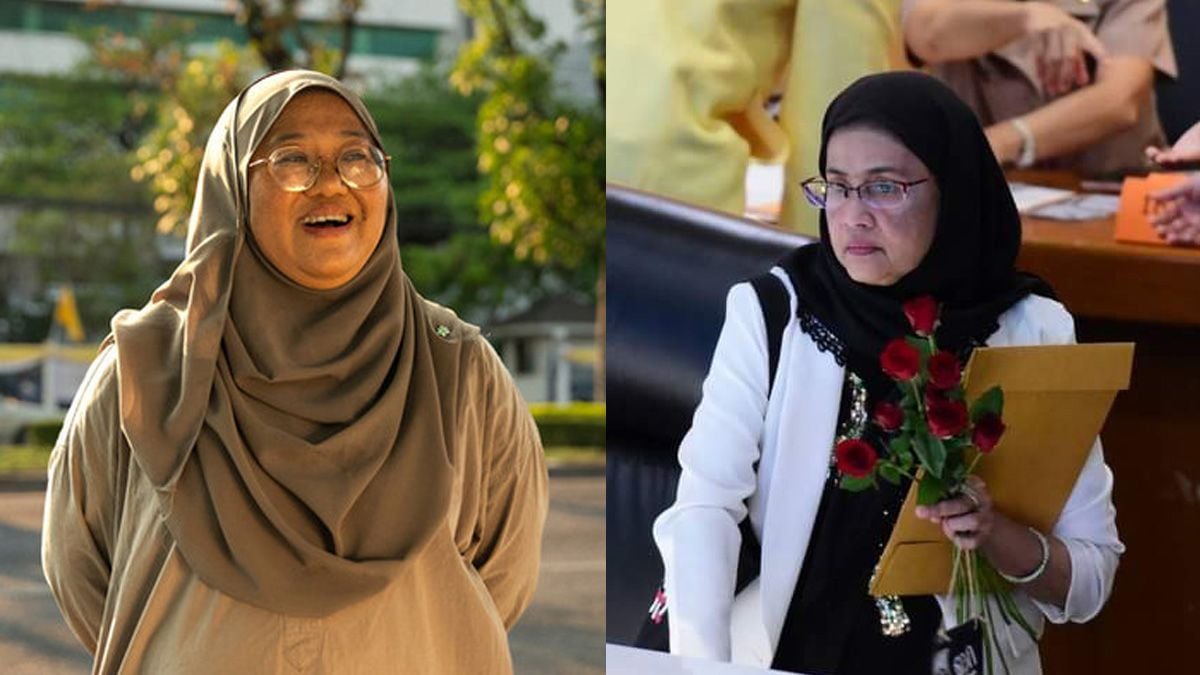
The judgement was issued in a lawsuit filed by activists Angkhana Neelapaijit and Anchana Heemmina against the Office of the Prime Minister, Isoc and the Royal Thai Army. The Court of Appeal delivered its ruling on Thursday, 11 June 2026.
The court ordered Isoc to pay 120,000 baht (approximately US$3,687) to Angkhana and 90,000 baht (approximately US$2,765) to Anchana, plus interest as prescribed by law. The agency was also ordered to remove the offending content within seven days.
The conversions to US dollars were provided by the Asian Forum for Human Rights and Development (Forum-Asia) as of mid-June 2026.
At issue were online posts that spread false information about the two activists. The euphemism "information operation" (IO) has come to describe such activities, often carried out by state and military actors to intimidate critics.
The court found Isoc liable, ruling that the agency had the authority to control and supervise the website used to publish the disputed content. The site focuses on issues concerning Thailand's Deep South.
The plaintiffs argued that names, photographs and information about activists, civil society members and human rights defenders were published online in a manner that damaged their reputations and unfairly linked them to national security threats.
In its ruling, the court said agencies responsible for supervising the channels used to disseminate information could also be held liable for damage caused by content published through those channels.
Angkhana described the judgement as an important precedent for human rights protection. She cited evidence presented during the case, including a report by an extraordinary parliamentary subcommittee reviewing the annual budget bill and testimony from witnesses.
She said the court accepted that the operation had been carried out by individuals linked to the Isoc Region 4 Forward Command, constituting a wrongful act by a state agency.
Speaking after more than six years of legal proceedings, Angkhana said the case was not about money or punishment but about restoring human dignity.
She also urged the prime minister, in his capacity as Isoc director, not to appeal to the Supreme Court, saying further litigation would delay accountability and remedy for those affected.
The court dismissed the plaintiffs' request for a public apology through the media.
The lawsuit stems from the spreading of disinformation about the two women in 2017. Such tactics are often used by state actors, including the military, to silence dissent and portray opposition voices as threats to national security.
The United Nations Human Rights Office issued a statement in English and Thai on Monday, 15 June 2026, welcoming the verdict. It said the ruling, by ordering the removal of defamatory content and providing compensation, sent a clear message that states must protect human rights defenders as they carry out their vital work.
In a statement on Wednesday, 17 June 2026, Forum-Asia also welcomed the ruling. Its executive director, Mary Aileen Diez-Bacalso, said the verdict set an important precedent, representing a formal acknowledgement that the state's own security apparatus had deliberately and unlawfully sought to destroy the reputations of human rights defenders.
She said the ruling restored the dignity that Isoc's disinformation campaign had sought to strip away, and proved that accountability, although delayed, remained possible.
Isoc, sometimes referred to as the political arm of the military, has an estimated 6,000 personnel nationwide, excluding the South. Most are seconded from the army and the police and receive extra stipends for their work with the agency.
Its presence in the South under Region 4 is considerably larger, estimated at up to 60,000 personnel. Numbers are also supplemented by paramilitary rangers and local volunteers.