UN report details grave abuses against people trafficked into scam centres
A UN Human Rights Office report says people trafficked into scam compounds faced torture, sexual abuse, forced abortions and extortion, and urges rights-based rescues, anti-corruption action and safer labour migration pathways.

- A UN Human Rights Office report documents torture, sexual abuse, forced abortions and other abuses linked to scam operations, based on survivor interviews and other sources.
- The report says most operations are concentrated in the Mekong region, but have spread to other regions including the Gulf, West Africa and the Americas.
- UN Human Rights Chief Volker Türk urges rights-based rescues, non-punishment of trafficked victims, safer labour migration pathways, and stronger action against corruption and syndicates.

The UN Human Rights Office has published a report detailing grave abuses against people trafficked into scam centres, describing torture, sexual abuse, forced abortions and extortion as part of coercive online fraud operations.
According to the UN Human Rights Office report published on 20 February 2026, abuses were documented across multiple countries and sites.
The report says hundreds of thousands of people from dozens of countries have been trafficked into entrenched scam operations, “mostly in Southeast Asia”, with growth “far beyond” the region. According to the report, the patterns are supported by survivor testimony, satellite imagery and on-ground reporting.
Nearly three-quarters of the scam operations identified are located in the Mekong region, the report says, while similar operations have also appeared in some Pacific Island countries and South Asia, as well as the Gulf States, West Africa and the Americas. According to the report, the sites range from small facilities to sprawling compounds.
The UN Human Rights Office said the report is based on interviews with survivors from Bangladesh, China, India, Myanmar, Sri Lanka, South Africa, Thailand, Viet Nam and Zimbabwe. According to the report, survivors were trafficked into scam centres in Cambodia, Lao People’s Democratic Republic, Myanmar, the Philippines and the United Arab Emirates between 2021 and 2025.
The report describes victims being lured by fraudulent job offers and later coerced into conducting online fraud, including impersonation scams, online extortion, financial fraud and romance scams. According to the report, victims were forced to meet targets under threat of violence, punishment or being transferred.
Survivors described torture and other ill-treatment, sexual abuse and exploitation, forced abortions, food deprivation and solitary confinement, among other abuses. According to the report, some victims also alleged border officials aided scam recruiters, and some described threats and extortion by police.
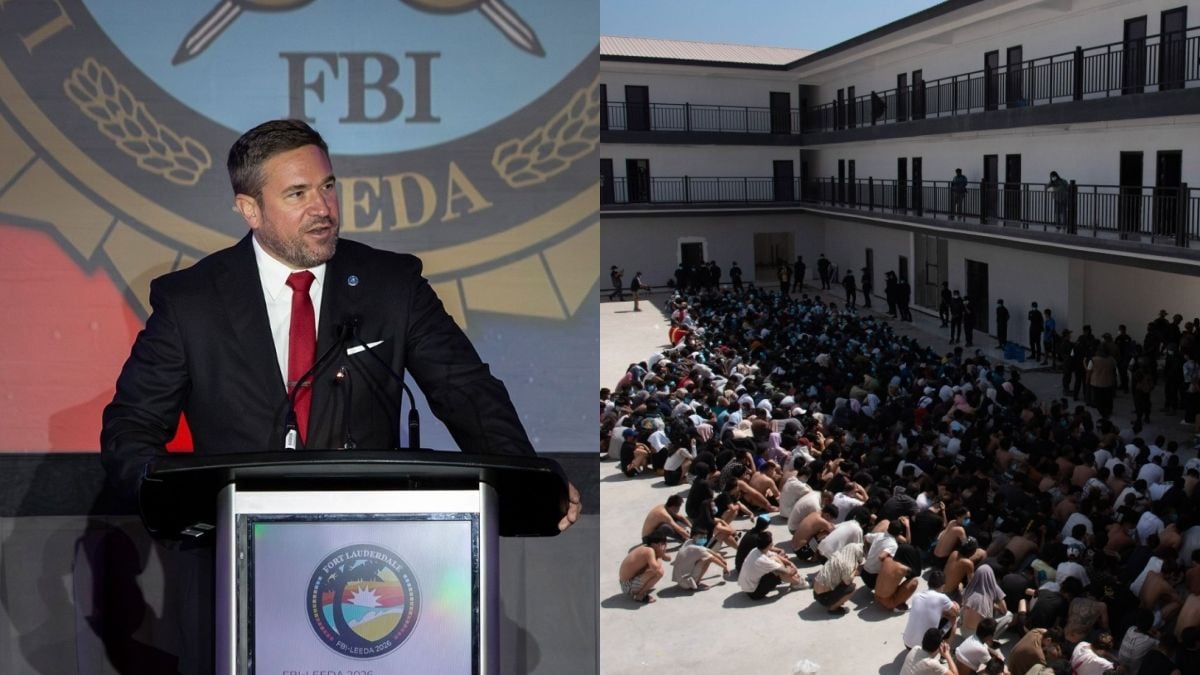
The report portrays the operations as mobile and adaptive, with victims moved between sites and countries. According to the report, some survivors were held in immense compounds resembling self-contained towns, with heavily fortified multi-storey buildings, high walls topped with barbed wire, and armed, uniformed guards.
One survivor account described so-called “water prisons”, where people who failed to meet targets were immersed in water containers for hours. According to the report, a victim from Sri Lanka said monthly scamming shortfalls triggered this punishment, illustrating how quotas were enforced through fear.
Victims also recounted being forced to witness, and sometimes carry out, violence against others to ensure compliance. According to the report, one Bangladeshi victim said he was ordered to beat other workers, while a Ghanaian victim said he was forced to watch a friend being beaten.
Some survivors reported deaths during escape attempts, including falls from balconies and roofs within compounds. According to the report, failed rescue efforts could prompt severe reprisals, including beatings, electric shocks and prolonged confinement without food.
A Vietnamese survivor described punishment after an attempted escape plan, saying her sister was beaten, tasered and locked in a room without food for seven days. According to the report, such retaliatory violence was used to deter escape and reinforce control.
The report also describes ransom-like extortion, with traffickers allegedly calling families on video while victims were abused to pressure payments. According to the report, victims’ relatives were coerced into paying “extortionate” sums, intensifying harm beyond the compounds.
While many victims reported receiving some wages, those interviewed said deductions escalated and none received the full salary promised. According to the report, a Thai victim said they were ordered to meet targets of about US$9,500 per day to avoid fines, beatings or being “sold” to harsher compounds.
UN Human Rights Chief Volker Türk said the findings show a pattern of severe harm paired with inadequate protection for victims. “The litany of abuse is staggering and at the same time heart-breaking,” Türk said, adding that victims “too often face disbelief, stigmatization and even further punishment”, according to the report.
Türk called for responses grounded in human rights law, including explicit recognition of “forced criminality” in anti-trafficking frameworks. According to the report, he urged States to guarantee the non-punishment principle for trafficking victims compelled to commit crimes within scam operations.
The report says victims require coordinated rescue operations that are timely, safe and effective, alongside respect for the principle of non-refoulement. According to the report, it also calls for support mechanisms for torture and trauma rehabilitation, and measures to reduce reprisals and re-trafficking risks.
In addition to documenting abuses, the report applies behavioural science and systems analysis to explain why fraudulent recruitment continues to succeed. According to the report, it recommends expanding safe labour migration pathways and strengthening oversight of recruitment practices.
Türk urged verification of online job postings and the flagging of suspicious recruitment patterns, according to the report. He also called for outreach through trusted, community-based actors, including survivor-led groups, and for awareness efforts that are concrete and accessible through trusted media.
The report further highlights corruption as a key enabler of scam operations and calls for stronger action against criminal syndicates.
According to the report, Türk urged States and regional bodies to prosecute organisers and protect independent media, human rights defenders and civil society groups engaged in anti-trafficking work.