Trump signs US-Iran agreement at Versailles as officials reveal deal terms
US President Donald Trump has signed a memorandum of understanding with Iran to end the war, the White House says, as officials revealed terms covering uranium, the Strait of Hormuz and a US$300 billion reconstruction fund.
- Trump signed a US-Iran memorandum at Versailles; the White House says it is now in effect.
- Terms cover uranium down-blending, a toll-free Strait of Hormuz and waived sanctions.
- A contested US$300 billion reconstruction fund appears in the text despite Trump's earlier denials.

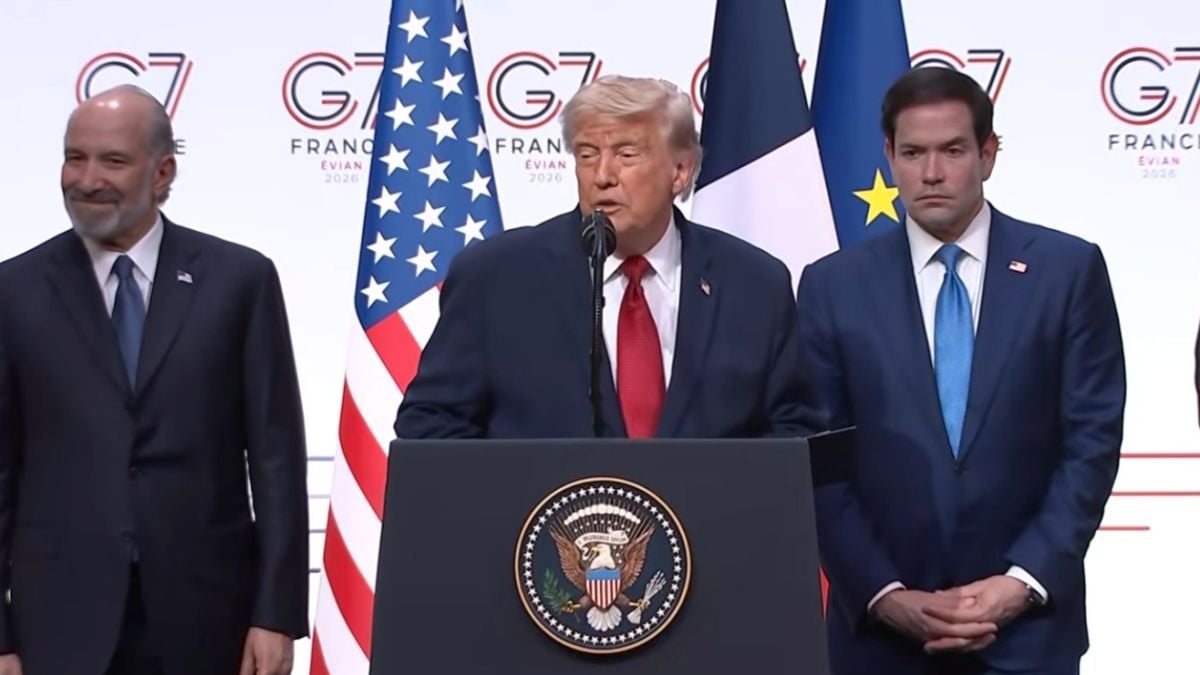
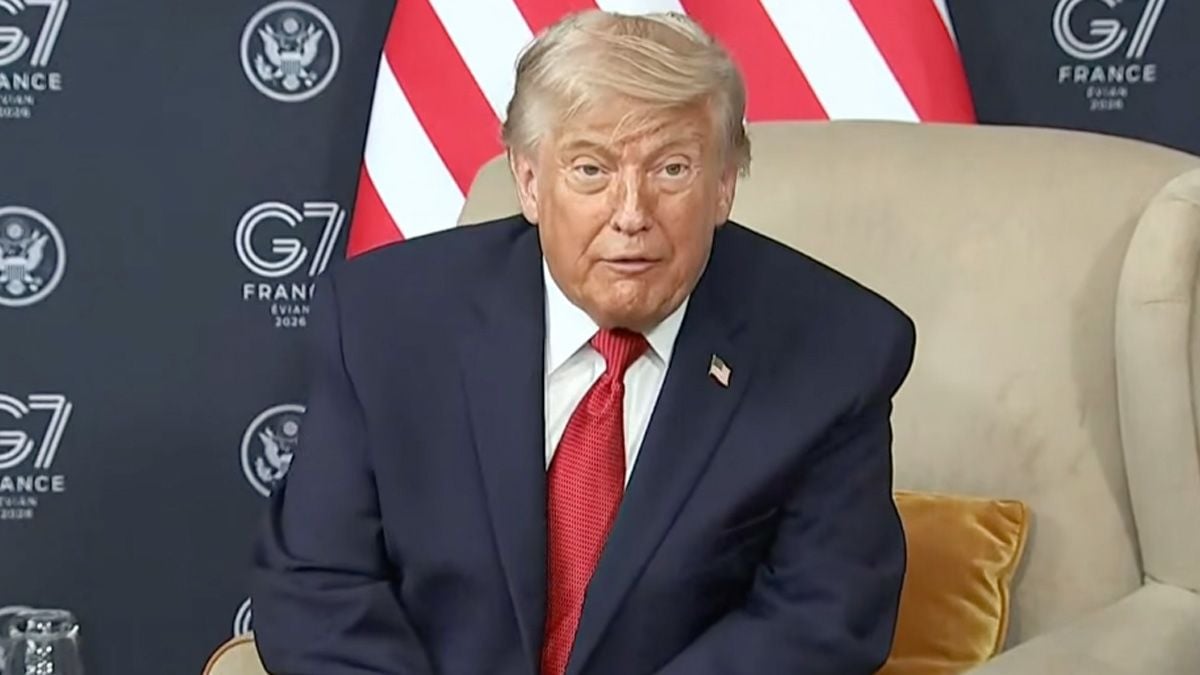
US President Donald Trump signed a memorandum of understanding with Iran to end the war between the two countries on Wednesday, 17 June 2026, at the Palace of Versailles outside Paris, the White House confirmed.
The White House told the BBC the agreement is now in effect, beginning an extendable 60-day period for the two sides to negotiate a final deal. Iranian President Masoud Pezeshkian also signed the document, according to the White House.
The signing by the two leaders followed an electronic signing on Sunday by Iranian parliamentary speaker Mohammad Bagher Ghalibaf and US Vice-President JD Vance. A formal ceremony had been expected in Switzerland on Friday, though its status is now unclear.
Leaving Versailles after a dinner hosted by French President Emmanuel Macron, Trump told reporters: "It's signed. Signed in Versailles. Just signed it."
Earlier on Wednesday, senior US officials read the 14-paragraph text to journalists on condition of anonymity, after days of secrecy. Iran's official news agency IRNA subsequently published a near-identical version.
According to the officials, the agreement states Iran will never develop or procure a nuclear weapon. Iran's highly enriched uranium will be diluted, or down-blended, on site under the supervision of the International Atomic Energy Agency (IAEA).
The provision marks a shift from the US position at the start of the war, when Washington had demanded the uranium be removed from the country entirely.
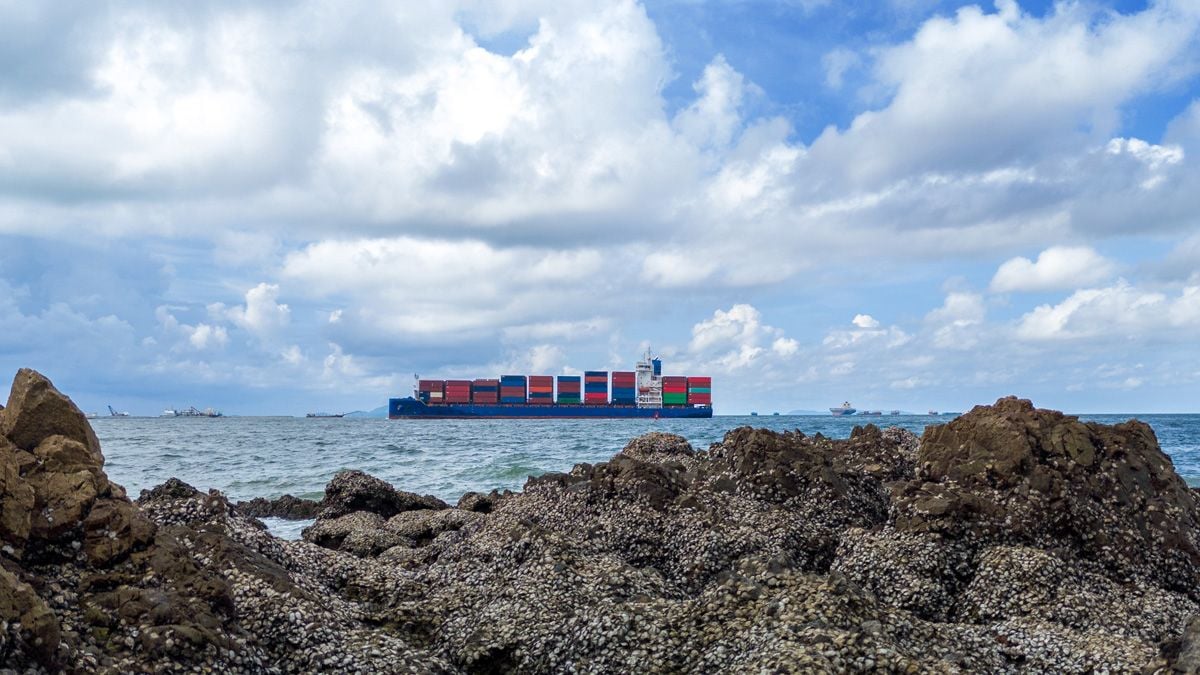
The agreement reopens the Strait of Hormuz toll-free for at least 60 days. After that period, charges would be a matter for Iran and its neighbours to negotiate, leaving open the possibility of future fees where none existed before the conflict.
The document also provides for the waiving, but not the permanent elimination, of wide-ranging US sanctions on Iran. It declares the immediate and permanent termination of military operations on all fronts, including in Lebanon.
A contested element is a US$300 billion fund for the reconstruction of Iran. Trump had earlier dismissed reports of the fund as "fake news", but the provision appears in the text. Officials insisted the United States need not contribute, stating it would depend on Iran's conduct.
The Iranian version published by IRNA differs only marginally, omitting the word "initial" from a clause on licences and permissions for relevant transactions. The difference does not appear to alter the meaning.
Despite the signing, Trump described the deal as not final. He warned the US could resume attacks if the agreement failed, telling reporters Washington would "bomb the hell out of them" if Iran violated the terms.
Trump also said 60 days was not a hard deadline for a final agreement, indicating negotiations could take longer. A senior US official described the plan to reach a final deal as a "gentleman's agreement" and said either side could walk away at any time.
Iran's top negotiator, Ghalibaf, told state broadcaster Fars that his distrust of the United States remained. He said Iran's finger was on the trigger and that it would respond with force if the enemy did not understand the language of logic.
Lebanon has emerged as a sticking point. Iran's foreign ministry spokesperson Esmail Baghaei said continued Israeli presence in Lebanon would violate the deal, warning that necessary measures would be taken. Lebanese President Joseph Aoun has said his country's talks with Israel are independent of the US-Iran deal.
The agreement drew criticism from within Trump's own party. Senator Bill Cassidy of Louisiana called it the worst foreign policy blunder in decades, arguing Iran's nuclear ambitions were not curbed and that it had learned threatening the Strait of Hormuz works.
Senator Ted Cruz of Texas said Trump was receiving bad advice, objecting to provisions on the Strait of Hormuz and the lifting of sanctions on what he termed a hostile government.
Senate Republican leader John Thune said the document appeared to be a framework rather than a final product, adding that Congress had not yet been briefed and that senators had numerous questions.
IAEA head Rafael Grossi described the agreement as a good step forward but cautioned that important work remained. He said the deal could not be compared with the Obama-era nuclear agreement, framing it instead as a post-war arrangement.
The war began in late February 2026. Among its most contested incidents was a strike near a primary school in southern Iran on 28 February, where Iranian authorities said 168 people, including around 110 children, were killed.
Asked whether he would hold anyone accountable, Trump called it a strange question, said mistakes are made in war, and stated the matter remained under investigation by the Department of Defense.
Energy analysts welcomed the prospect of renewed Iranian supply but cautioned that prices would take time to fall. Shippers are expected to remain wary of fully restarting operations in the Strait of Hormuz while a final deal is negotiated.
Here is a brief listing of the 14-paragraph memorandum of understanding, drawn from the verbatim US draft read to journalists.
End of hostilities: Both sides declare the immediate and permanent termination of military operations on all fronts, including in Lebanon, and pledge not to use or threaten force against each other.
Mutual sovereignty: The US and Iran undertake to respect each other's sovereignty and territorial integrity and not to interfere in each other's internal affairs.
Timeline: The two sides commit to negotiating a final deal within a maximum of 60 days, extendable by mutual consent.
Naval blockade: The US will begin removing its naval blockade immediately and end it fully within 30 days, and will withdraw forces from Iran's proximity within 30 days of the final deal.
Strait of Hormuz: Iran will arrange safe passage of commercial vessels with no charge for 60 days, with traffic resuming within 30 days after demining. Iran will hold talks with Oman and other Gulf states on the strait's future administration.
Reconstruction fund: The US undertakes, with regional partners, to develop a plan worth at least US$300 billion for Iran's reconstruction and economic development, with the mechanism finalised in the final deal.
Sanctions: The US undertakes to terminate all sanctions, including UN Security Council resolutions, IAEA Board of Governors resolutions and unilateral US sanctions, on a schedule set in the final deal.
Nuclear weapons: Iran reaffirms it will not procure or develop nuclear weapons. Enriched material is to be down-blended on site under IAEA supervision, with enrichment and other nuclear matters discussed in the final deal.
Status quo: Pending the final deal, Iran maintains its current nuclear programme while the US imposes no new sanctions and deploys no additional forces.
Oil exports: On signing, the US Treasury will issue waivers for exports of Iranian crude, petroleum products and derivatives, including banking, insurance and transport services.
Frozen assets: The US undertakes to make Iran's frozen or restricted funds fully usable, with release procedures agreed during negotiations.
Monitoring: An executive mechanism will be established to monitor implementation of the MOU and future compliance with the final deal.
Sequencing: After signing, and subject to implementation of the hostilities, blockade, strait, oil and asset provisions, negotiations on the remaining paragraphs will begin.
UN endorsement: The final deal will be endorsed by a binding UN Security Council resolution.