Iran declares Strait of Hormuz closed again over Lebanon strikes as US disputes claim
Iran's military command says it has closed the Strait of Hormuz, citing US and Israeli breaches of the truce framework, but US forces deny Tehran controls the waterway and say traffic continues to flow ahead of talks in Switzerland.
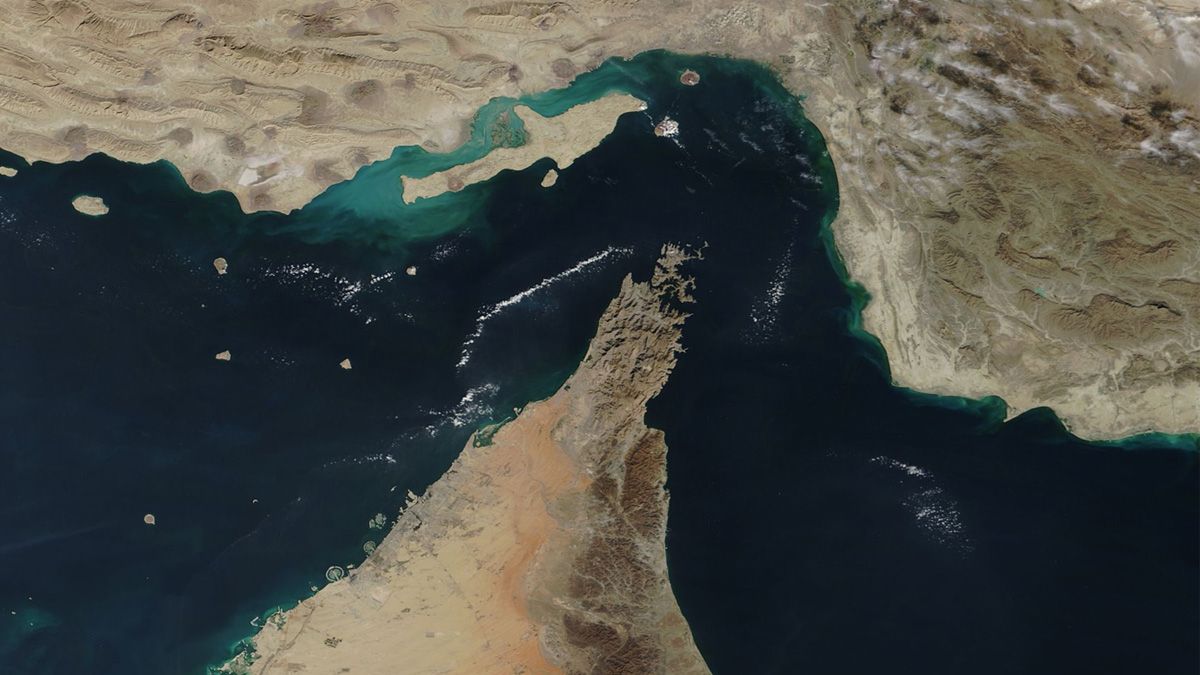
- Iran says it has closed the Strait of Hormuz over alleged US and Israeli truce violations.
- The United States denies Iran controls the strait, saying traffic continues to flow.
- US-Iran technical talks were set to begin Sunday in Switzerland amid Lebanon fighting.

Iran declared the Strait of Hormuz closed again on Saturday, 20 June 2026, warning vessels to stay away from the critical shipping route, but the United States rejected the claim and said the waterway remained open.
The move came less than 48 hours after Iran publicised a new permitting system for the strait, and hours before US-Iran technical talks were due to begin in Switzerland.
Iran's joint military command said the closure was a response to continued Israeli military operations in Lebanon and what it described as US bad faith and a failure to uphold commitments under the truce framework.
Iranian state television said subsequent steps had been planned if what it called aggression continued. The closure was described as the first step of a response.
Iranian outlets reported that the strait was closed to all vessels, and that ships should not approach because their security would be at risk.
Iran controls a northern route through the strait, in its waters close to Larak Island. The internationally recognised Traffic Separation Scheme remains closed due to suspected mines attributed to the Islamic Revolutionary Guard Corps (IRGC) Navy.
The announcement followed the Persian Gulf Strait Authority publicising a new permitting system for vessels using the northern route only a day earlier.
Earlier on 20 June 2026, the Joint Maritime Information Center (JMIC) issued new guidance for the southern route in Omani waters, coordinated by the United States Naval Cooperation and Guidance for Shipping. Coordination was recommended, but vessels remained free to cross without it.
Iran does not recognise the southern route, and it remains unclear what the latest IRGC declaration means for the security of vessels transiting through Omani waters.
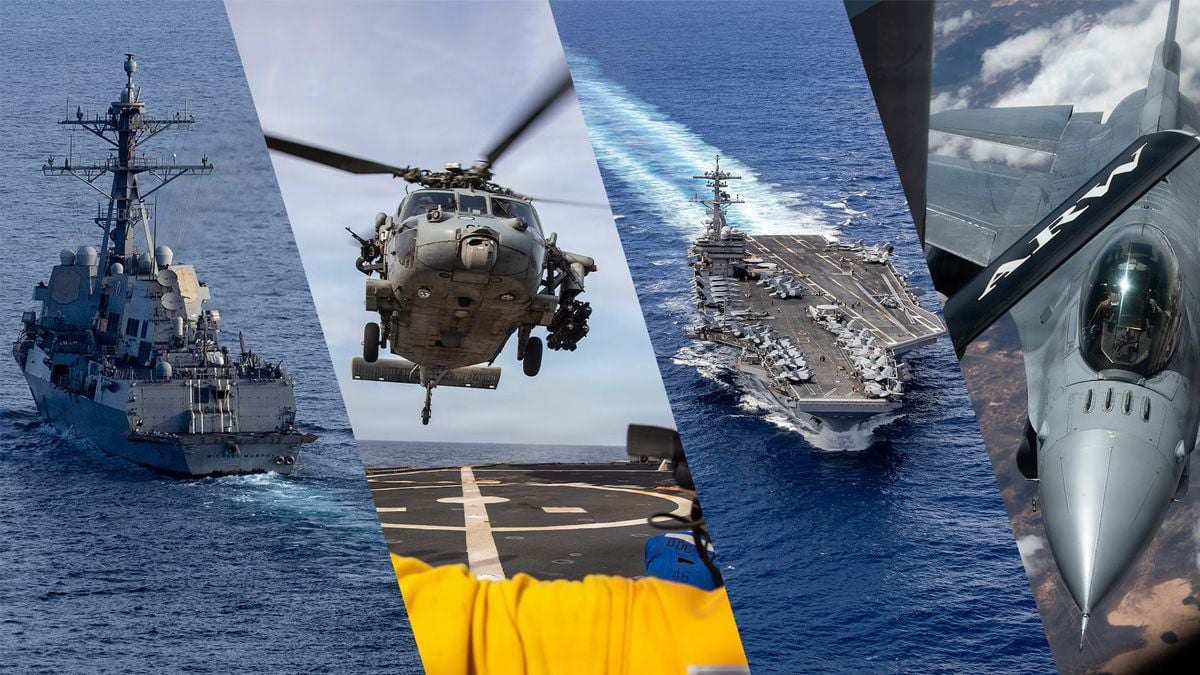
The United States disputed Iran's announcement. Navy Captain Tim Hawkins, a spokesperson for US Central Command, said Iran did not control the strait, that traffic continued to flow, and that US forces were monitoring the situation to ensure this remained the case.
The US military said 55 merchant ships transited on Saturday, carrying more than 17 million barrels of oil. US Vice President JD Vance said tanker traffic had rebounded sharply, describing the volume as a record predating the conflict.
Traffic through the strait had reached a two-month high on 18 June 2026, with 25 transits recorded.
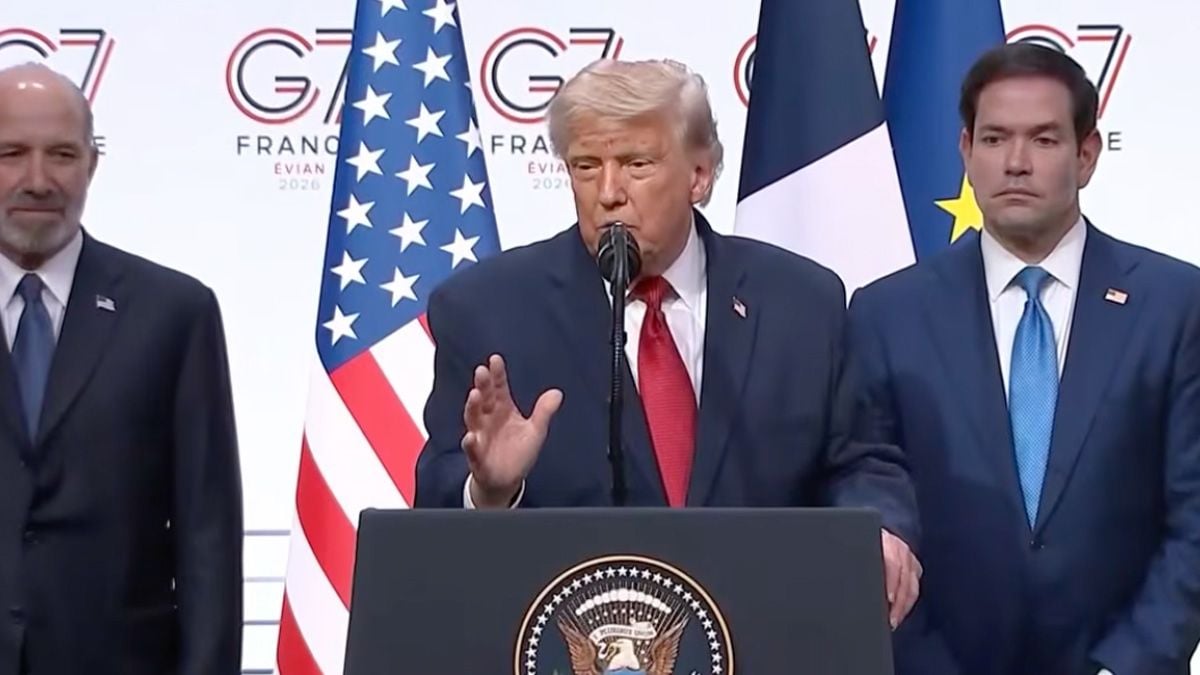
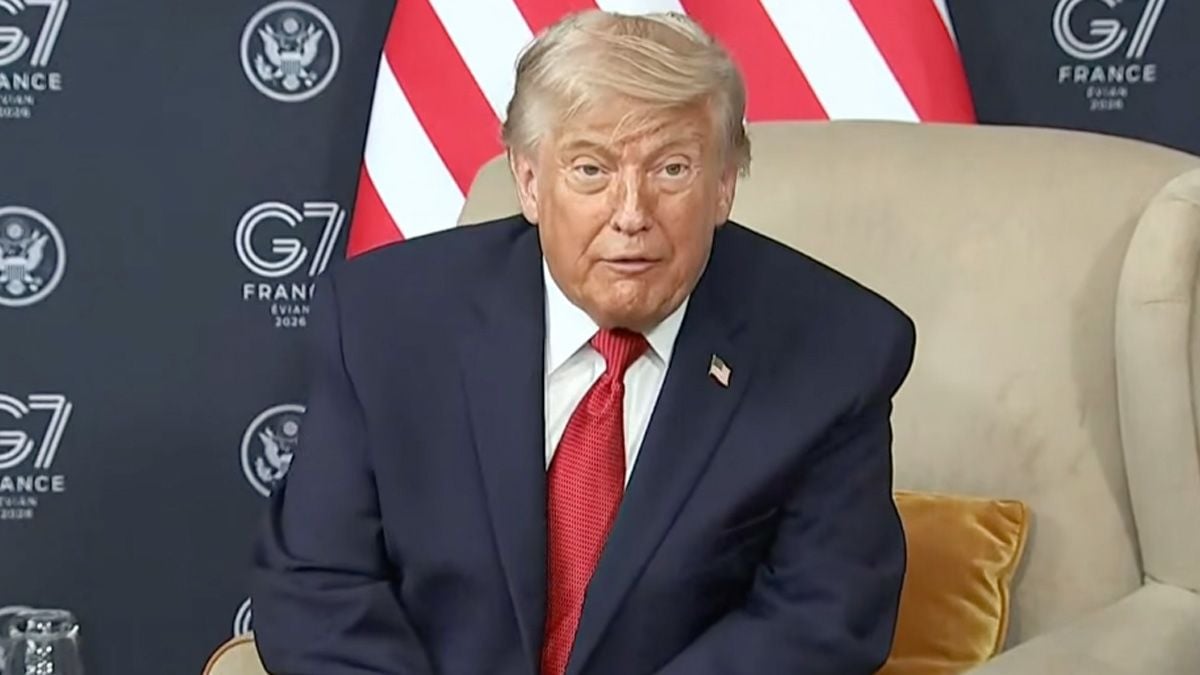
President Donald Trump indicated the administration considered the strait open. He threatened to impose US tolls on the waterway if a final deal with Iran was not reached within 60 days, claiming the charge would be for services rendered as what he called the Guardian Angel to the region.
In a post on Truth Social, Trump said there would be no tolls during the 60-day ceasefire period, and none afterward, unless imposed by and for the United States should the deal not be completed.
The interim agreement left unresolved whether Tehran would ultimately retain control over the strait. Ships were to travel toll-free for 60 days while Iran and its Gulf neighbours worked out a new arrangement, meaning Tehran could later impose fees.
The renewed closure raised the stakes ahead of talks in Switzerland intended to advance the interim agreement reached between Trump and Iranian President Masoud Pezeshkian after nearly four months of war.
The signed memorandum of understanding had called for an immediate end to Israeli military action in Lebanon and the full reopening of the strait, without Iranian tolls, for at least 60 days.
Vance left Washington late on Saturday to resume negotiations alongside mediators from Pakistan and Qatar. He said he hoped to make progress on the nuclear issue and the Lebanon ceasefire.
Speaking before departure, Vance said political leadership would meet at the principal level, with a technical team remaining on the ground. He said he could stay only a day or two.
US envoy Steve Witkoff and Jared Kushner, the president's son-in-law, were already in Switzerland working through technical details. The Swiss Federal Department of Foreign Affairs confirmed the Iranian delegation had arrived.
The Iranian delegation, which landed in Zurich, was led by parliamentary Speaker Mohammad Bagher Ghalibaf and included Foreign Minister Abbas Araghchi, Foreign Ministry spokesperson Esmaeil Baghaei, and central bank and oil officials.
An Iranian official said ending the conflict in Lebanon was the most important item on the delegation's agenda. The official said the talks were not yet considered part of the formal negotiations, as Clause 1 of the agreement, covering an end to the war in Lebanon, remained unfulfilled.
Iranian Foreign Ministry spokesperson Esmaeil Baghaei told state television that final negotiations would begin once key commitments were upheld, warning that the memorandum of understanding as a whole would otherwise be jeopardised.
Pakistani Prime Minister Shehbaz Sharif and army chief Field Marshal Asim Munir also travelled to Switzerland. Pakistan has acted as a key mediator since the ceasefire was first announced.
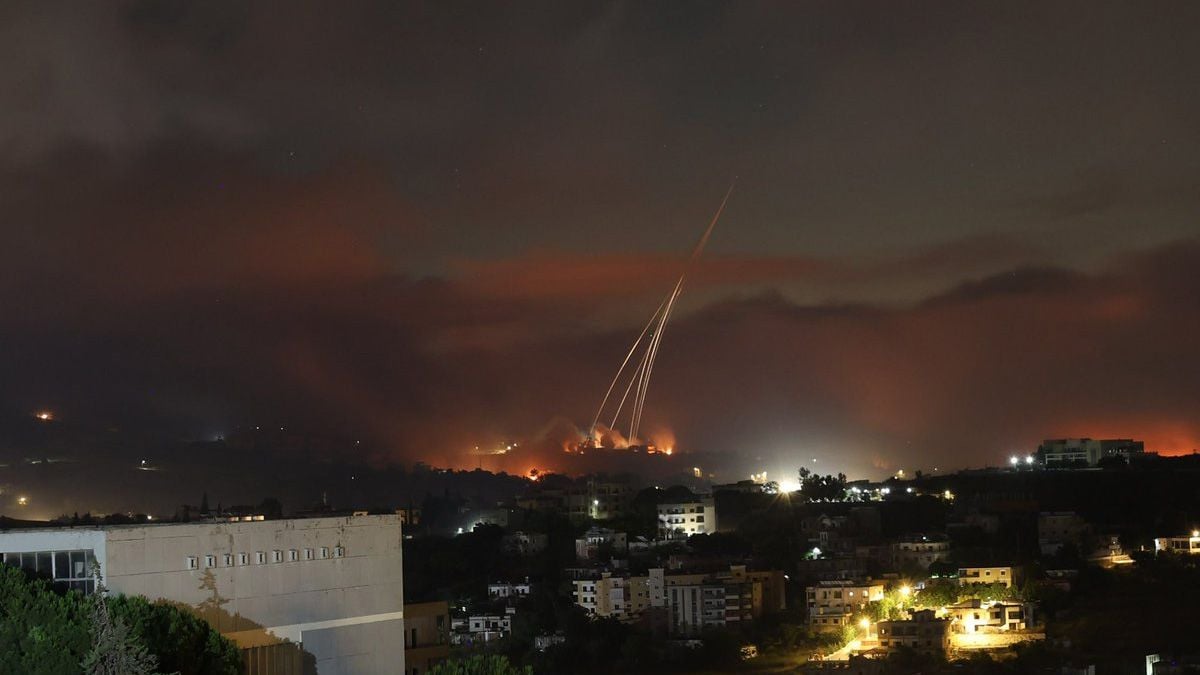
The dispute unfolded against continued violence in Lebanon. Israeli strikes in the south on Saturday killed at least 16 people, including two children, according to Lebanese authorities, with seven people trapped under rubble in Nabatiyeh and nearby villages.