Starmer expected to set out departure as soon as Monday amid fresh calls to quit
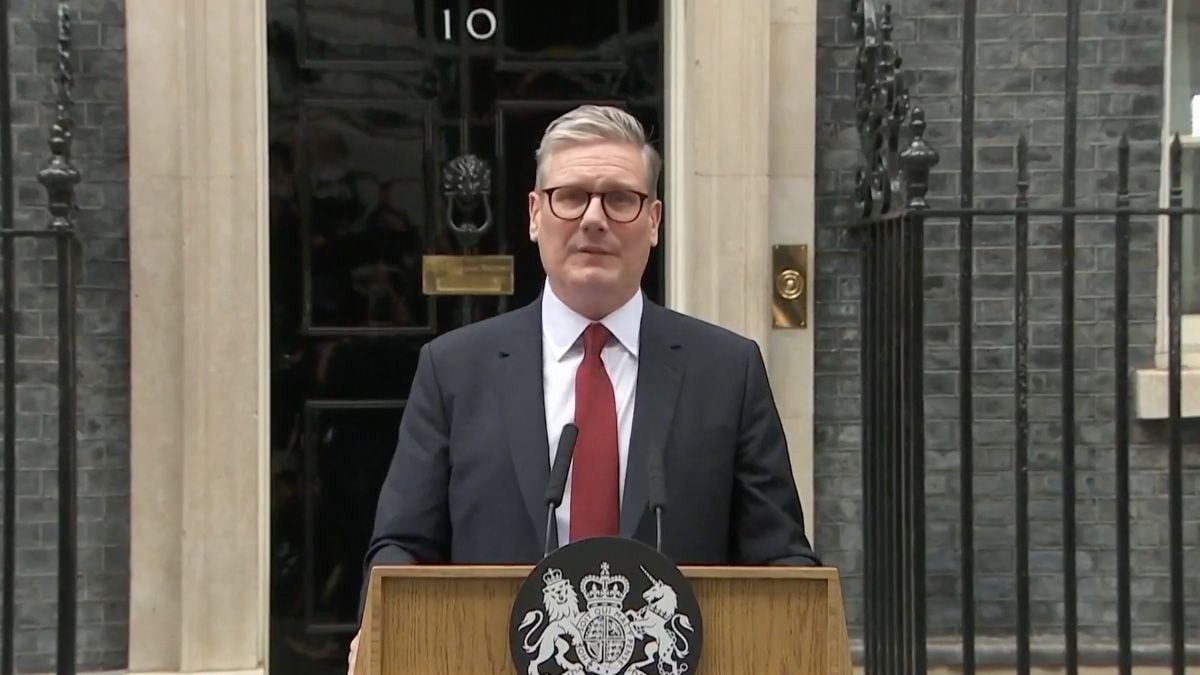
Prime Minister Keir Starmer is expected to set out a timetable for his departure as soon as Monday, sources say, after Andy Burnham's decisive election win triggered fresh calls from ministers and lawmakers for him to step aside.
- Starmer expected to set out a departure timetable as soon as Monday, sources say.
- Burnham's decisive Makerfield win has intensified calls from ministers and lawmakers.
- Burnham is the firm favourite to become Britain's seventh prime minister in a decade.

British Prime Minister Keir Starmer is expected to set out plans for his departure as soon as Monday, 22 June 2026, according to sources and weekend reporting, amid mounting calls from ministers and lawmakers for him to step aside.
Several government insiders believe the prime minister could announce a timetable to quit, after a decisive election victory by his rival Andy Burnham reshaped the calculation inside the governing Labour Party.
The Observer reported that Starmer was expected to resign on Monday, saying the prime minister "accepts his position is no longer tenable". A Labour MP told the Telegraph he could announce his departure date as early as Monday.
Burnham won a parliamentary seat in Makerfield, north-western England, on Thursday, 19 June 2026, beating the populist Reform UK party comfortably. That result cleared a path for the former Greater Manchester mayor to mount a leadership challenge.
To stand, Burnham would need the backing of 81 Labour MPs. Dozens of lawmakers, and some senior ministers privately, have pressed Starmer to set out a timetable for his departure to avoid a divisive leadership race.
Sky News reported that Foreign Secretary Yvette Cooper had called on Starmer to stand down in a private conversation over the weekend. Her spokesperson did not immediately respond to a request for comment.
Government insiders also indicated that Home Secretary Shabana Mahmood and Transport Secretary Heidi Alexander had urged the prime minister to go. That such figures remained in post was read as a sign of weakened authority.
The shift in tone was marked. Only days earlier, on Friday, 19 June 2026, Starmer had insisted he would not walk away and would contest any leadership election.
By the weekend, that resolve appeared to be fading. Business Secretary Peter Kyle told broadcasters that the prime minister was reflecting on "the political challenges that he faces in this moment".
Kyle said he had spoken to Starmer on Friday and found a man questioning what "the country expected of him". He declined to predict the outcome, saying nothing about the days ahead was inevitable.
Kyle added that Starmer would frame any decision around what was "in the best interests of the country". He also said Burnham "could be" among those with the talent to lead Labour.
A source with knowledge of the matter said Starmer was discussing his position with his family at his country retreat, Chequers, and that an expected conversation with Burnham would help clarify matters.
"Keir likes to think about things," the source said. As of Sunday evening, there was no indication the two men had spoken.
Adding to the pressure, US President Donald Trump predicted on his Truth Social platform that Starmer would resign. Trump repeated his view that the prime minister had "failed badly" on immigration and North Sea oil output.
Starmer's unpopularity, among the lowest ratings for any British leader in modern history, was laid bare by Labour's heavy losses in local elections in May 2026. Polls of party members indicate Burnham would win a formal contest.
Should Burnham take the helm, he would become Britain's seventh prime minister in ten years.
Speaking on the BBC, former minister Jess Phillips, a supporter of Health Secretary Wes Streeting, said it felt as though the party had "come to the end of the road". She said any departure should be "as dignified as possible".
Streeting, another potential challenger, has previously said he would stand. His allies now suggest conversations between candidates about the party's future may be warranted, hinting that a contest might be avoided.
Speculation has already turned to a potential Burnham cabinet. The appointment of Energy Secretary Ed Miliband as chancellor would, some Labour figures warned, signal a leftward shift and anger MPs on the party's right.
Sharon Graham, general secretary of the trade union Unite, has publicly urged Burnham not to appoint Miliband. Mahmood is now expected to remain in her current role under a Burnham premiership.
Opposition figures struck a sceptical note. Shadow Chancellor Mel Stride questioned Burnham's record, saying he doubted Burnham could change the "fundamental nature" of the Labour Party and arguing the country needed "stability".
Former Cabinet Secretary Lord Case warned that leadership uncertainty "costs us opportunities", pointing to defence spending and the recent resignation of Defence Secretary John Healey. A further change, he said, risked the UK's "influence on the world stage".
Under Labour rules, if Starmer resigned with immediate effect, a cabinet member would serve in a caretaker capacity, following consultation with the party's National Executive Committee. A leadership contest would then follow.