Iran delegation walks out of Swiss talks venue but stays engaged after Trump threats
Iran's delegation walked out of the building hosting US talks in Switzerland on 21 June after President Donald Trump threatened renewed strikes over Tehran's support for Hezbollah. A diplomat said Iran remained engaged in the negotiations and had not quit, with talks centring on a memorandum of understanding and Lebanon.

Iran's delegation walked out of the room hosting talks with the United States in Switzerland on 21 June, after US President Donald Trump threatened to strike the Islamic republic over its support for Hezbollah.
The negotiations were intended to permanently end a Middle East war that spread chaos across the region and unsettled the global economy. They were meant to trigger a 60-day period to settle broader issues that have strained US-Iranian relations for decades.
Iran's state news agency IRNA said the delegation walked out of the venue after meeting the Qatari delegation, one of the mediating parties. It linked the departure to a message Trump published on X repeating his threats against Iran as the talks began.
A diplomat with knowledge of the proceedings clarified that the walkout did not amount to abandoning the negotiations. Speaking to AFP on condition of anonymity, the diplomat said the Iranian delegation remained engaged and had not indicated to the mediators any intention to leave.
The delegation stayed in Switzerland throughout, signalling that its departure from the room was a protest at Trump's remarks rather than a collapse of the process.
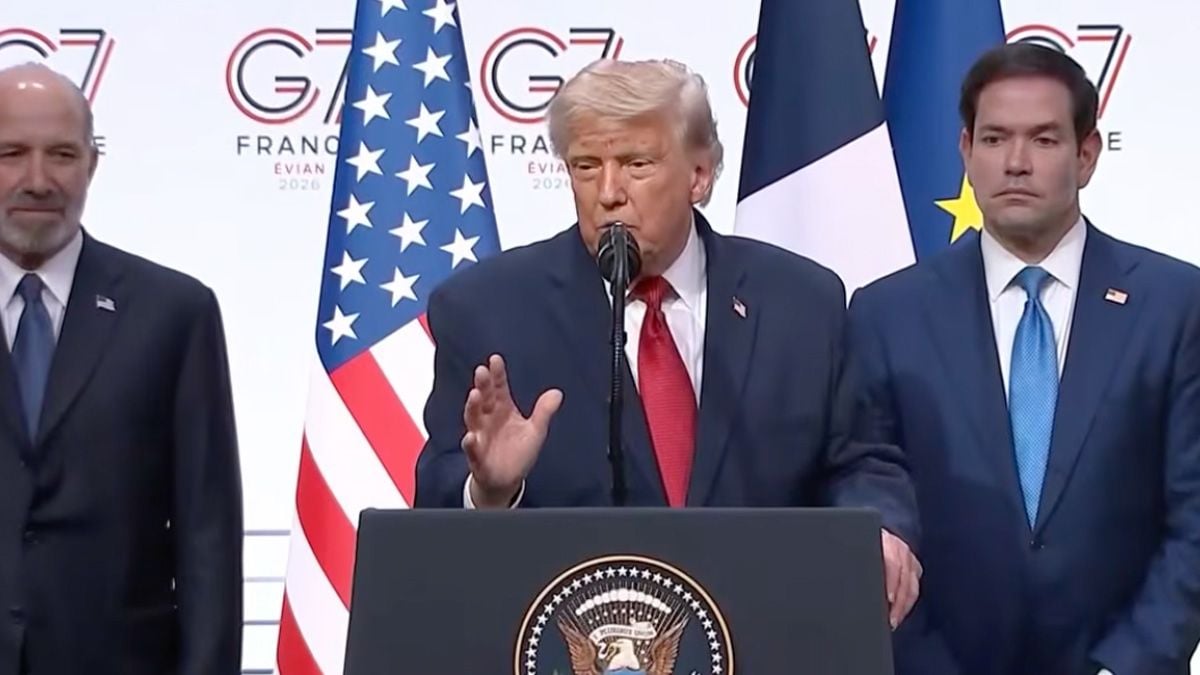
Trump had earlier threatened to strike Iran if it did not, in his words, immediately stop its highly paid proxies in Lebanon from causing trouble. According to Fox News, he also warned Iranian officials they would lose their country if they closed the Strait of Hormuz.
Iran responded with a warning of its own. Chief negotiator Mohammad Bagher Ghalibaf said the United States should be careful with its statements, adding that the armed forces were ready to respond in a different manner.
Iran's state broadcaster said the nuclear programme had not been discussed during the 80-minute first round of talks on 21 June. The focus, it said, was the implementation of the memorandum of understanding between Tehran and Washington, and the situation in Lebanon.
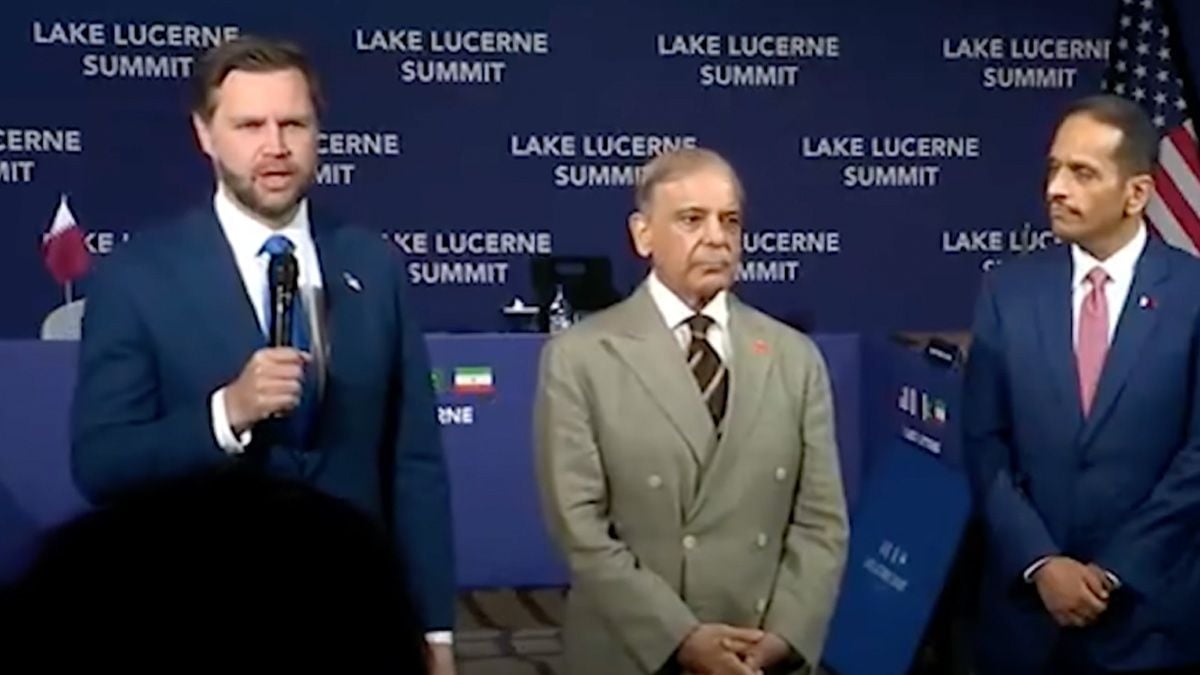
US Vice-President J.D. Vance had earlier described the meeting as historic. Flanked by US negotiators Jared Kushner and Steve Witkoff at the Swiss resort of Burgenstock, he asked how much more the two sides could accomplish together.
Vance framed the choice as a test of whether relations in the Middle East could change permanently. He said returning to old ways was not the preference of the United States, but remained a possibility.
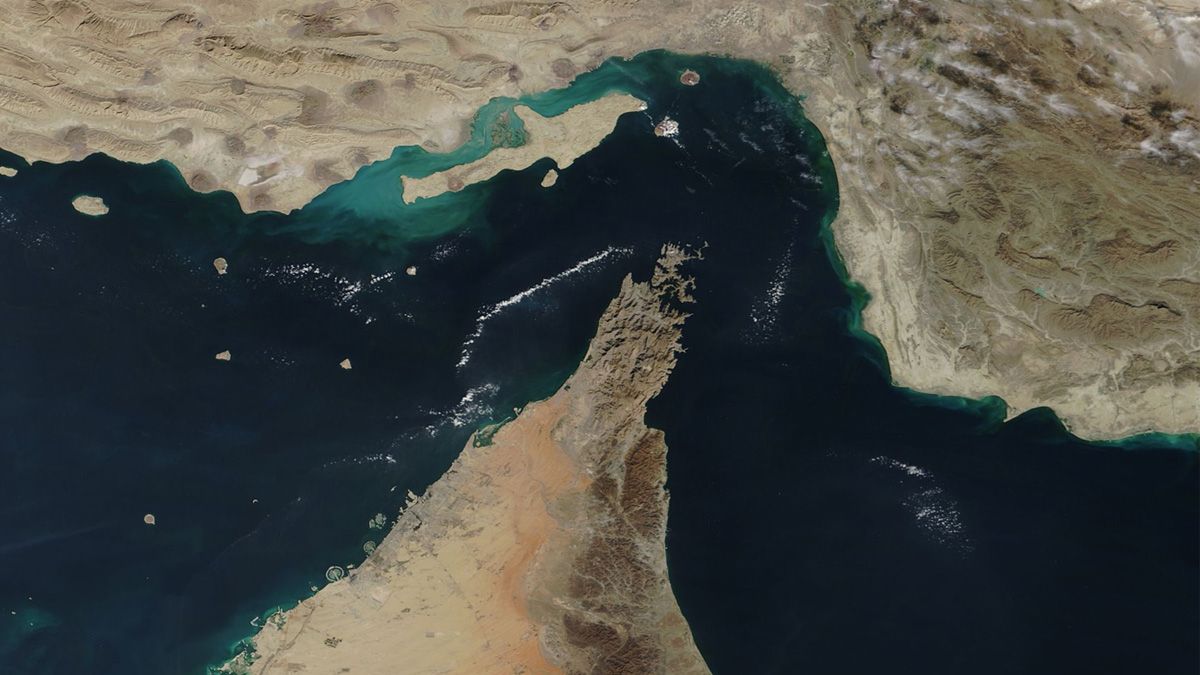
The talks unfolded against the backdrop of Iran again closing the strategic Strait of Hormuz, in response to recent Israeli attacks on Lebanon. The waterway is a crucial route for oil and gas trade.
Iranian foreign ministry spokesman Esmaeil Baqaei wrote on X that it was not possible to enter the negotiation phase for a final agreement unless the war in Lebanon ended.
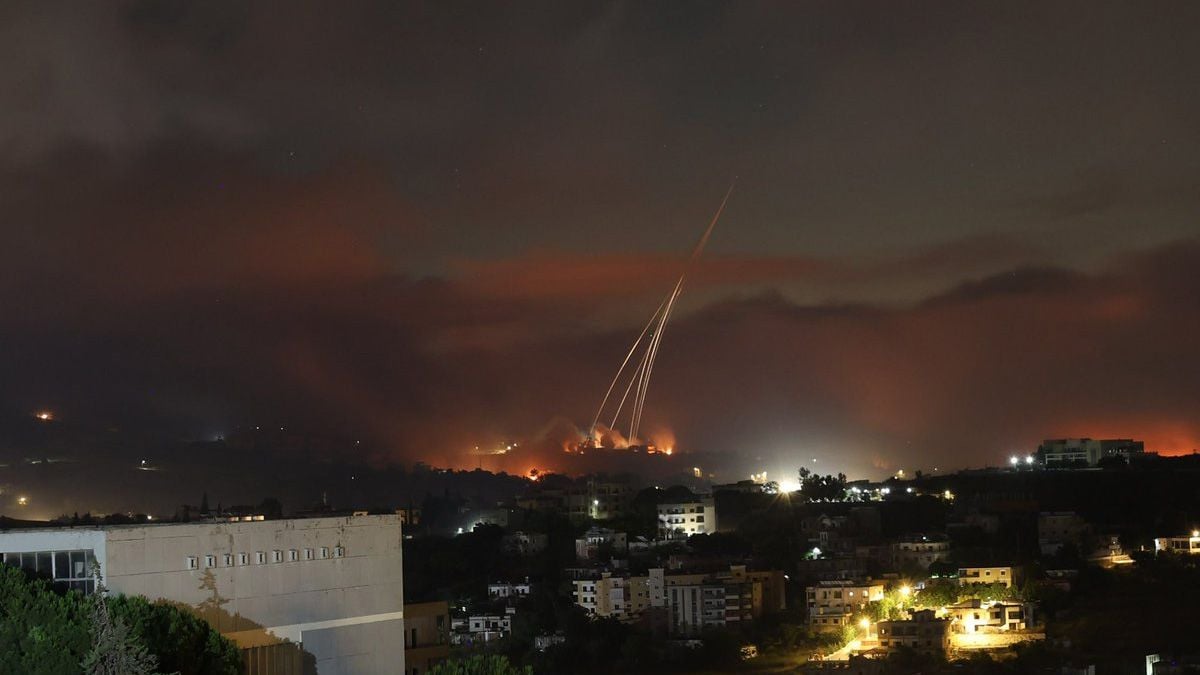
The memorandum of understanding signed this week included a provision to end fighting in Lebanon between Israel and Hezbollah. Repeated clashes followed, prompting Iran to again shutter the trade route it had opened under the deal.
By the evening of 21 June, however, there had been no reports of fresh Israeli strikes or continued fighting. Some residents of southern Lebanon cautiously began returning to their homes.
Beyond Lebanon, there was no indication that Iran's support for armed groups across the region, long a source of US and Israeli objections, would be addressed in the negotiations.
Iranian President Masoud Pezeshkian said on 21 June that Tehran would not relinquish its right to enrich uranium, while repeating Iran's denial that it seeks nuclear weapons. He said Iran could state in writing that it had no intention of building a bomb.
Israeli Prime Minister Benjamin Netanyahu said troops would remain in southern Lebanon as long as necessary, and vowed not to allow Iran to acquire nuclear weapons.
The fighting between Israel and Hezbollah, which began when the group attacked Israel in support of Iran during the wider war, has repeatedly threatened to derail peace efforts.
On 19 June, planned US-Iranian talks were postponed after Israel launched deadly strikes in Lebanon, following the deaths of four of its soldiers in combat there.
Israel's military chief visited troops in southern Lebanon on 21 June, saying Hezbollah was in a very difficult position. Lieutenant General Eyal Zamir said the group had suffered a severe blow and that Israel remained prepared to prevent its rebuilding.
A US diplomat told reporters early on Monday that talks were expected to continue through the night. Iran later said the talks had paused rather than ended.
The overall death toll from the fighting in Lebanon has surpassed 4,100, according to the Lebanese health ministry.