Trump invokes rarely used trade law to impose global 10% tariff after court defeat
Donald Trump has announced a global 10% import duty from 24 February, using section 122 of a 1974 trade law, days after the US Supreme Court ruled he lacked authority to impose emergency tariffs under IEEPA.

- The US Supreme Court ruled 6–3 that Trump lacked authority to impose sweeping tariffs under the 1977 emergency powers law IEEPA.
- Trump responded by signing a “global 10% tariff” using section 122 of the Trade Act of 1974, a provision described as never previously used.
- The new duty starts on 24 February, with exemptions including Canada and Mexico and a list of specified goods.

President Donald Trump has signed a proclamation imposing a 10% “temporary import duty” on goods entering the United States from most countries, after the US Supreme Court struck down his earlier tariff regime enacted under emergency powers.
The White House said the new duty will take effect on 24 February at 12.01 ET and is aimed at addressing “fundamental international payments problems”, invoking section 122 of the Trade Act of 1974.
Trump announced the move after the Supreme Court ruled 6–3 on 20 February that he had exceeded his authority by using the International Emergency Economic Powers Act of 1977 (IEEPA) to impose broad tariffs.
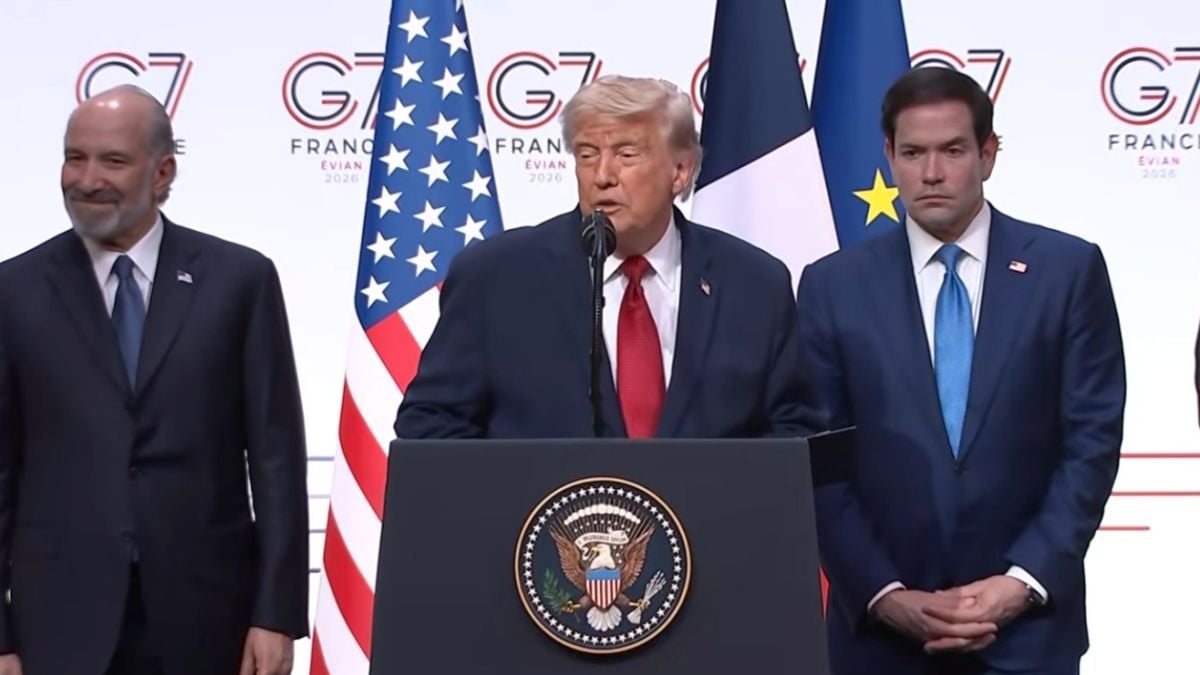
In public remarks, Trump criticised the justices who joined the majority, calling them a “disgrace to the nation” and saying he was “ashamed” of certain members of the court, according to coverage of the comments.
He praised the three dissenters—Brett Kavanaugh, Clarence Thomas and Samuel Alito—while directing particular criticism at two justices he appointed, Amy Coney Barrett and Neil Gorsuch, who joined the majority.
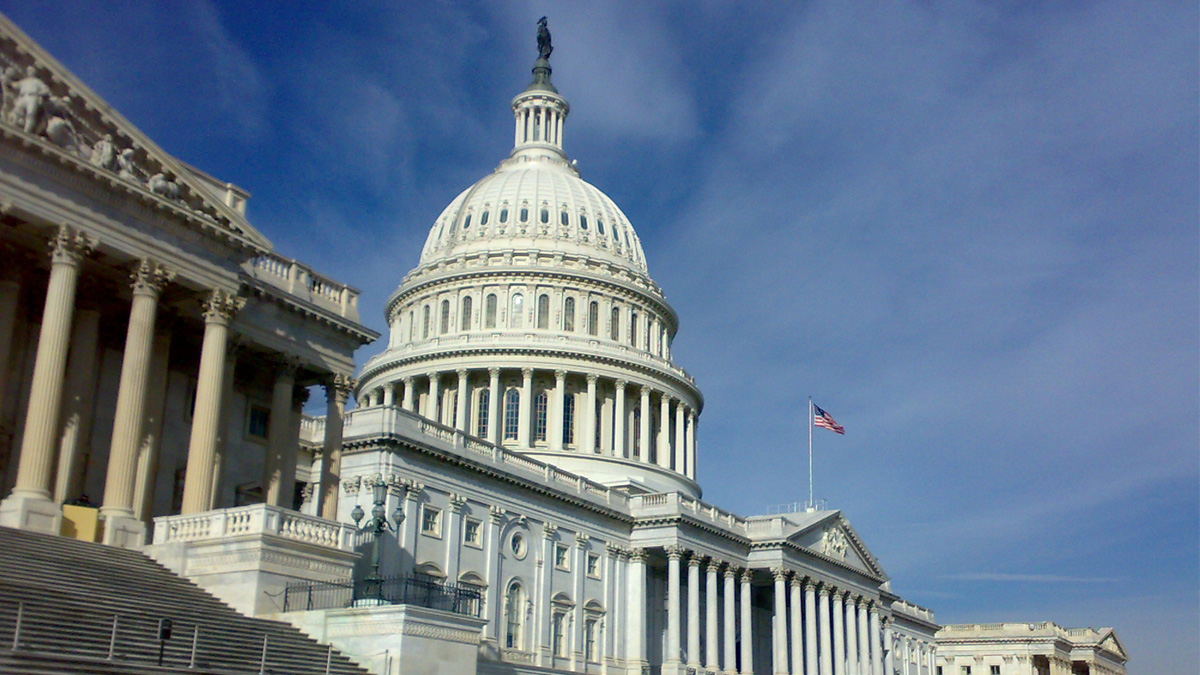
According to Reuters, Chief Justice John Roberts wrote the majority opinion, concluding that Congress holds tariff-setting powers and that IEEPA did not grant the president authority for sweeping global duties without clear authorisation.
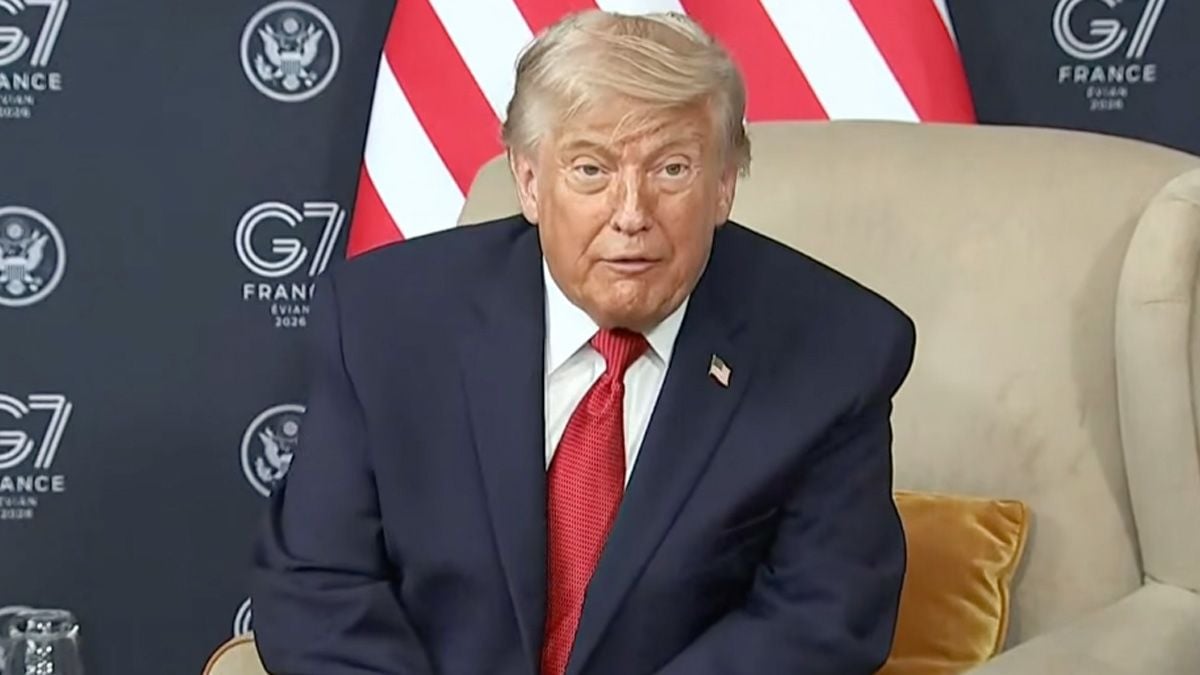
Trump, posting later on social media, described the move as a “Global 10% Tariff on all Countries”, while the White House framed it as a temporary measure grounded in section 122 authority.
The White House fact sheet said the proclamation imposes a temporary import duty to “rebalance” trade relationships and protect US economic and national interests, presenting the action as part of a broader effort to support domestic workers and manufacturers.
Section 122 is a little-used part of the Trade Act of 1974 that allows temporary import surcharges in specific circumstances tied to serious balance-of-payments issues, with statutory limits referenced in reporting and analysis of the provision.
Multiple reports noted that section 122 authorises duties of up to 15% for up to 150 days, unless Congress votes to extend them—constraints that may shape the durability of Trump’s new tariff plan.
The White House said Canada and Mexico will be exempted in alignment with the North American trade pact, and that a list of product categories will also be exempt, including selected food items and certain critical minerals.
Reporting also described exemptions that include items such as pharmaceuticals and passenger vehicles, alongside specific agricultural products, although the full scope depends on the detailed text of the proclamation and related guidance.
In addition to the 10% baseline duty, Trump signalled that his administration would pursue further tariff actions through other legal mechanisms, including investigations into alleged unfair trade practices.
Trump said existing tariffs imposed under section 232 of the Trade Expansion Act of 1962 and section 301 of the Trade Act of 1974 would remain in place, portraying the new measure as an alternative route after the IEEPA setback.
Separately, analysis published on SCOTUSblog highlighted the significance of the court’s ruling for the boundaries of executive power over trade, given the scale of the tariffs Trump sought to justify under emergency authority.
International and market reactions were still developing as the decision and the new tariff plan emerged, with commentators warning that uncertainty could persist as legal challenges, implementation details and potential retaliation are considered.