Government to launch Somerset Belt Youth CoLab with S$300,000 annual fund to empower youth-led spaces
Singapore will establish the Somerset Belt Youth CoLab, a 15-member youth group tasked with leading programmes and shaping spaces in the Somerset youth precinct. Backed by a S$300,000 annual budget, the initiative aims to give young people greater agency in creating vibrant communal spaces.

- Government to launch Somerset Belt Youth CoLab with 15 youths leading programming and space usage.
- Initiative will receive S$300,000 annually and a dedicated activation space.
- Announcement follows parliamentary concerns about youth loneliness and lack of informal gathering spaces.

SINGAPORE: The government will establish the Somerset Belt Youth CoLab, a 15-member youth group that will lead programming and shape activities within the Somerset youth precinct.
The initiative was announced on 5 March 2026 during the Committee of Supply debate for the Ministry of Culture, Community and Youth.
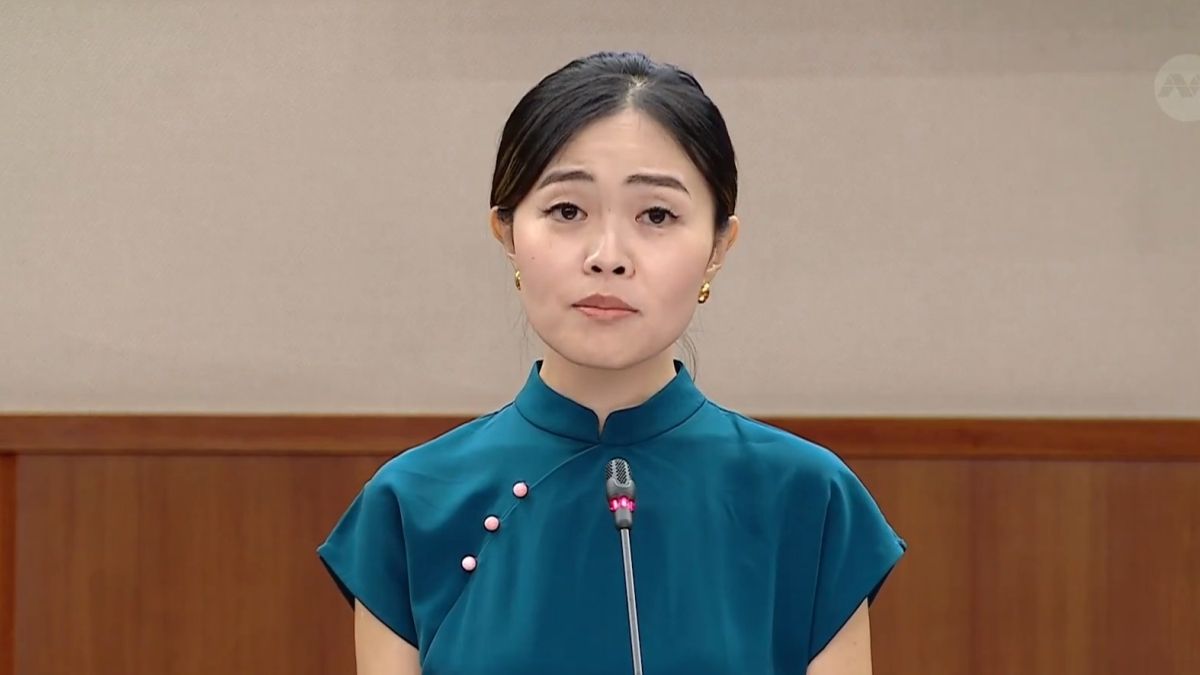
Senior Parliamentary Secretary for Culture, Community and Youth Goh Hanyan said the initiative aims to give young people greater ownership of spaces and programmes in the Somerset Belt.
“We want to create even more opportunities for young people to contribute,” Goh said during the parliamentary debate.
Youths to shape the identity of the precinct
Under the initiative, the youth group will oversee the programming and activities within the Somerset Belt precinct.
They will also determine how spaces in the area are used and activated.
“The CoLab will take control of the Somerset Belt’s programming and activities,” Goh said.
“They will decide which spaces serve what purpose. Simply put, they will create the vibe that defines the Somerset Belt.”
According to Goh, discussions with prospective members highlighted a need for greater support to bring youth-led ideas to life.
The government will therefore support the group with a dedicated activation space as well as a S$300,000 annual budget.
The funding will support youth-driven programmes and activities across the Somerset Belt precinct.
Somerset Belt youth precinct to begin construction later in 2026
The Somerset Belt is being developed as a youth precinct centred around Somerset MRT station.
The area includes *SCAPE, Somerset Youth Park and the Skate Park.
Goh said the government received more than 16,500 responses from youths and members of the public on what they hoped to see in the precinct.
Young people have also worked alongside architects and planners to help design the space and shape its programmes.
Construction for the Somerset Belt youth precinct is expected to begin later in 2026.
In the meantime, programmes and activities have already begun taking place in the area.
*SCAPE relaunch draws youth participation
The *SCAPE facility was relaunched in November 2025 and has since hosted a range of youth-focused activities.
Goh described the venue as a “hive of activities” centred around youth interests such as anime, dance, art, tabletop games and music.
During a visit to the venue, Goh spoke to young people about what the space meant to them.
“One youth told me it’s a sandbox where I could quickly test my event concept,” Goh said.
“Another said, in other places we might get stares, but here there is no judgement. This is a place to just be.”
The relaunch has generated strong interest among young people, with Goh noting a visible sense of energy within the community.
Concerns raised about loneliness among young Singaporeans
The initiative comes amid parliamentary concerns about rising loneliness among young adults in Singapore.
During the debate, Non-constituency Member of Parliament Eileen Chong highlighted findings from a 2024 Institute of Policy Studies poll.
The survey found that Singaporeans aged 21 to 34 experience the highest levels of loneliness and social isolation among all age groups.
Chong noted that the challenge is linked partly to the availability and nature of communal spaces.
“Singapore is a land-scarce country where every square metre must justify its economic value,” Chong said.
While Singapore has parks, community centres and integrated hubs, Chong said these spaces are often designed for structured activities rather than spontaneous interaction.
“There is a difference between programmed spaces and unstructured open spaces,” she said.
Call for more open ‘third spaces’
Chong also questioned whether accessible “third spaces” still exist for young Singaporeans to gather informally.
She referenced traditional community spaces such as void decks, which historically served as informal gathering areas.
“The void deck was a default third space for an entire generation of Singaporeans,” Chong said.
“Community happened without anyone having to organise or pay for it.”
However, she noted that newer housing developments often place communal areas on higher floors or rooftops, requiring deliberate visits rather than casual encounters.
Chong urged the MCCY and the Ministry of National Development to work with young people to design more accessible spaces.
“I hope MCCY can work together with MND and young Singaporeans to co-design a new generation of open, accessible community spaces in our heartlands,” she said.
“These spaces should treat the need for togetherness and belonging not as a luxury but as essential social infrastructure.”
Youth ownership and participation
Goh said the Somerset Belt Youth CoLab reflects the government’s intention to empower young people to shape spaces for themselves.
“Let’s envision a space that breathes with youthful life, a place they have built and filled with their energy,” she said.
“We are putting our belief in our young people into action — real investment, real decision, real responsibility.”