KF Seetoh rebukes Koh Poh Koon’s remarks linking hawker food authenticity to ethnicity
Food advocate KF Seetoh criticised comments by Senior Minister of State Dr Koh Poh Koon suggesting hawker dishes might lose authenticity when cooked by people of different ethnicities. The remarks sparked debate on cross-cultural cooking and manpower challenges in Singapore’s food sector.

- KF Seetoh criticised Dr Koh Poh Koon’s remarks linking hawker dish authenticity to ethnicity.
- Koh raised the issue while discussing manpower policies and sustainability of hawker businesses in Parliament.
- Public reactions online highlighted Singapore’s cross-cultural food scene and wider F&B industry challenges.

Singapore food advocate KF Seetoh has criticised remarks made by Senior Minister of State for Manpower Dr Koh Poh Koon suggesting that hawker dishes might lose authenticity if prepared by people of different ethnic backgrounds.
The comments emerged during a parliamentary sitting on 2 March 2026 while discussing manpower policies affecting hawkers and small food and beverage operators.
Seetoh argued that the suggestion does not reflect the realities of Singapore’s food culture, which has long been shaped by cross-cultural influences.
Govt to review foreign manpower policies for hawkers & small F&B firms amid sustainability concerns
During the parliamentary exchange, Koh said the Government will continue reviewing foreign manpower policies affecting hawkers and small food operators.
He acknowledged that smaller operators face genuine manpower challenges but noted that simply increasing worker numbers may not fully address the issue.
Koh said the debate also touches on wider considerations such as the sustainability of hawker business models, productivity, and public expectations regarding traditional food.
“Singaporeans have certain expectations about the quality of the food from the hawkers, the authenticity of the recipe and whether it still tastes like the good old days that they used to,” Koh said during the debate.
He added that the Ministry of Manpower is “agnostic” about the matter if adjustments to manpower rules help businesses improve productivity or output.
However, he suggested that increasing manpower could raise questions about whether traditional recipes and preparation methods would remain authentic.
Koh noted that in some food courts, dishes traditionally associated with certain ethnic communities are already being prepared by foreign workers rather than members of the originating group.
"The hawkers selling a particular ethnic dish is now not even cooked by the actual ethnicity, for example. And you see this a lot, in perhaps food courts where your typical traditional dish is cooked by a foreign worker."
“If that’s something that the broader Singaporean public can accept, that is a conversation we should have and then decide how best to move forward on this,” he said.
Seetoh challenges view on authenticity
In a Facebook post published on 4 March 2026, Seetoh, founder of the Makansutra food guide, strongly criticised the remarks.
He argued that the view overlooks how Singapore’s food scene already operates in practice.
“Many successful hawkers cook dishes from other cultures. Food in Singapore has always been cross-cultural, and authenticity should not be tied strictly to ethnicity,” Seetoh wrote.
In his post, Seetoh cited multiple examples of hawkers and chefs successfully preparing dishes outside their own cultural backgrounds.
He pointed to Chinese hawkers selling nasi padang and making prata, Indian cooks running Chinese cze char stalls, and Malay vendors offering dishes such as mee Hong Kong or burgers.
Seetoh also noted that chefs from Singapore’s different communities operate highly regarded European restaurants, while even a popular bak chor mee stall is run by a Japanese cook.
“This is the unique Singapore cultural fabric that makes us… ‘regardless of race language or religion’,” he wrote, urging policymakers to show “more empathy and visionary leadership”.
He also called on Koh, who serves as Senior Minister of State for Health, to focus on lowering healthcare costs for Singapore’s ageing population.
Online reactions reflect wider debate
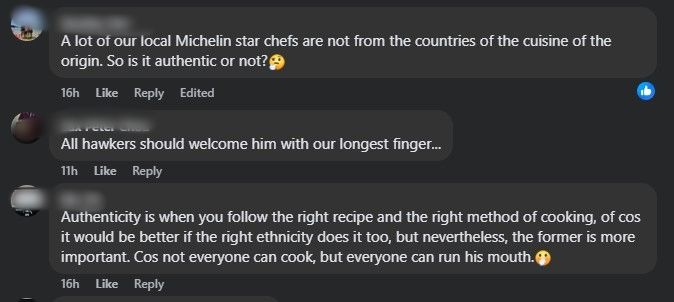
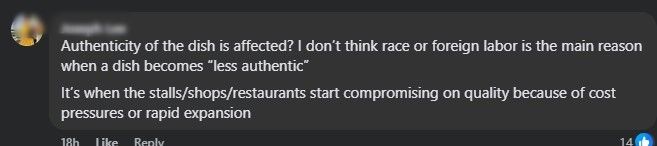
The exchange sparked discussion online, with many netizens echoing Seetoh’s criticism of the remarks.
Several said authenticity should depend on cooking skill, recipes and technique rather than the ethnicity of the cook.
Others noted that cross-cultural cooking has long been common in Singapore, particularly in hawker centres and food courts where vendors frequently adapt dishes from different culinary traditions.
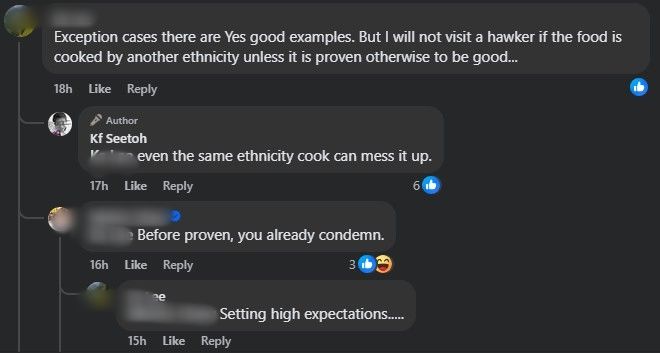
One comment wrote that there may be exceptions but said they would hesitate to try certain dishes prepared by cooks from different ethnic backgrounds unless the quality had been proven.
Responding to the comment, Seetoh said even cooks from the same ethnic background can fail to prepare a dish well.
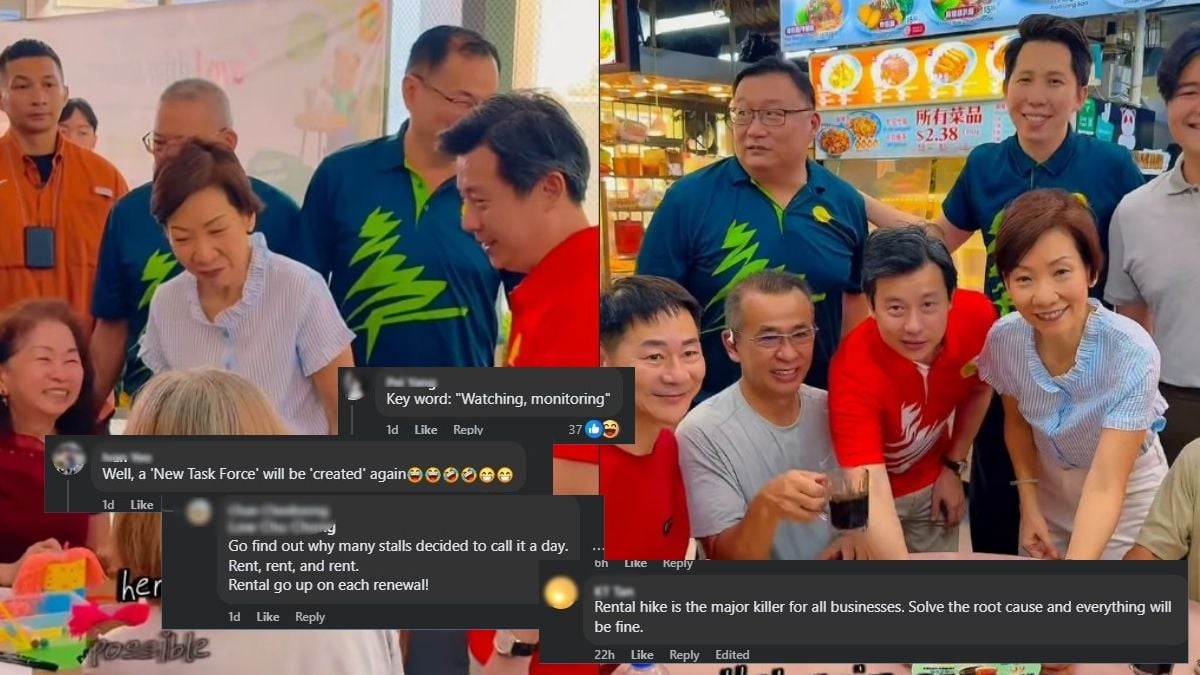
Other participants in the discussion argued that the larger issues affecting the food and beverage sector are manpower shortages, rising costs and high rental pressures rather than questions about who cooks the food.
Several commenters also criticised political leaders for appearing disconnected from everyday experiences in hawker centres.