Singapore invests S$800m in water tech since 2006 as firms expand overseas amid rising global demand
Singapore has invested about S$800 million in water technology research since 2006, helping the sector grow from 50 to about 400 companies and creating over 22,000 jobs, Parliament heard on 6 March 2026. The Government is expanding grants and financing schemes to help firms compete overseas.

- Singapore invested about S$800 million in water technology since 2006.
- The sector expanded from 50 to about 400 companies, employing more than 22,000 people.
- Government schemes and international partnerships are helping firms expand into overseas markets.

Singapore has invested about S$800 million in water technology research since 2006, helping the industry grow significantly and positioning local firms to tap rising global demand for water solutions.
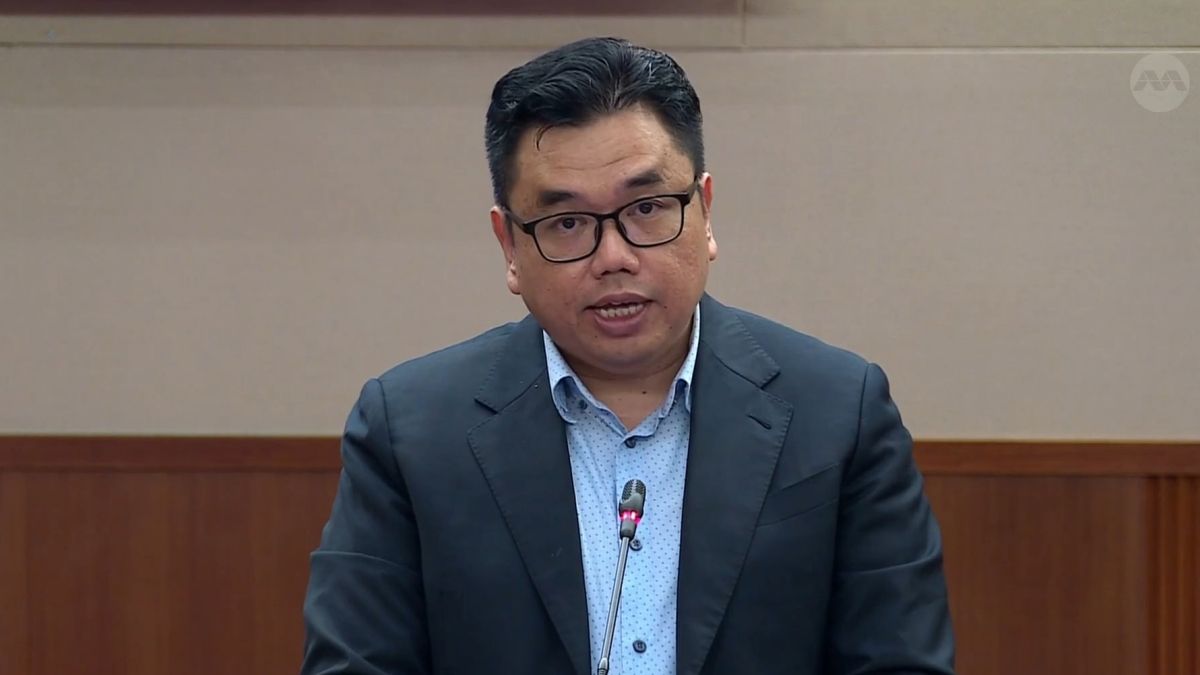
Minister of State for Trade and Industry Alvin Tan said in Parliament on 6 March 2026 that the sector has expanded from about 50 companies two decades ago to around 400 today, employing more than 22,000 people.
The investments were made through the Research, Innovation and Enterprise initiative, which supports research and development in strategic sectors including water technology.
Tan was responding to parliamentary questions from Hougang MP Dennis Tan about Singapore’s export potential in water recycling and integrated water management.
Water security and economic opportunity
Alvin Tan told Parliament that water remains a critical national concern for Singapore, which has long prioritised innovation in the sector.
“Water supply is an existential issue for Singapore,” he said.
“Therefore the Government has been promoting the water industry and investing in the research and development of water technologies under RIE.”
He added that Singapore has gained international recognition for its integrated water management model.
“Today, Singapore is globally recognised for our integrated water management, and our know-how also creates opportunities for our companies to meet the needs of other countries,” he said.
Tan noted that demand for water solutions is increasing worldwide as industrial growth and digital infrastructure expand.
Support for overseas expansion
Government agencies are working together to help Singapore firms compete in international markets.
Tan said Enterprise Singapore, PUB and the Singapore Water Association collaborate to support companies building capabilities and pursuing overseas opportunities.
These efforts include facilitating partnerships, organising business missions and providing access to grants and financing schemes.
The Ministry of Trade and Industry has also enhanced several support programmes.
These include the Market Readiness Assistance grant, the Double Tax Deduction for Internationalisation and the Enterprise Financing Scheme.
The measures aim to help companies defray costs related to overseas market entry, business development and international expansion.
Under the Enterprise Financing Scheme, the Government shares risks with participating financial institutions for loans such as fixed asset financing or trade loans.
Global visibility through industry platforms
Singapore also promotes its water technology ecosystem through international industry events.
Tan said the biennial Singapore International Water Week has become one of the world’s leading conferences for public utilities and the water sector since its establishment in 2008.
The event gathers suppliers, policymakers and industry players working on water, coastal and flood solutions.
It also features the Lee Kuan Yew Water Prize, which recognises global contributions to water innovation.
Tan said such events help Singapore companies and start-ups gain visibility and connect with investors, partners and customers.
Examples of local companies expanding abroad
Several Singapore water technology firms have already expanded beyond the domestic market.
HydroLeap, which specialises in electrochemical separation technologies, piloted its water recycling systems with Amazon Web Services at a data centre facility in Singapore.
The company has since expanded into markets including Indonesia, Malaysia and Australia.
Tan said HydroLeap used support from Enterprise Singapore and the Enterprise Development Grant to upgrade its technologies and enter new markets.
Another local start-up, SG Enviro, develops advanced water purification solutions using nano-bubble technology.
The firm has worked on wastewater treatment and water reclamation projects with palm oil refineries in Malaysia.
Tan said such examples demonstrate how government support can help companies develop innovations locally before scaling internationally.
Test bedding and research support
Singapore also provides test bedding opportunities to help firms validate new technologies before exporting them.
Tan said PUB has opened its water installations to companies and research institutions for pilot projects and experimentation.
The Living Lab Fund provides research funding that allows local firms to trial innovative solutions in real operational environments.
“If it works, then you can potentially use it in Singapore and then potentially export to different markets,” Tan said.
PUB also supports companies in piloting and validating technologies that can be applied to both industrial and municipal water systems.
Questions on future strategy
Dennis Tan asked whether the Government would consider creating a circular economy export office to bundle Singapore’s water recycling and waste-to-energy technologies as an export package for rapidly growing cities in the region.
He also asked whether Singapore is actively marketing integrated cooling and water recycling solutions to regional digital hubs such as Johor and Batam.
The MP further raised the possibility of using government-to-government platforms to support Singapore water technologies in overseas markets.
In addition, he asked whether financing tools such as sovereign project bonds or stronger risk-sharing mechanisms could help Singapore companies compete for large desalination projects abroad.
Government response
Responding to the proposals, Alvin Tan said there were currently no immediate plans to establish a dedicated circular economy export office.
However, he said the Government would continue studying ways to support companies and expand overseas opportunities.
He emphasised that water technology remains both a strategic and economic priority.
“We are indeed looking at water as a strategic imperative,” Tan said.
He added that Singapore’s approach focuses on helping companies test innovations locally, validate them through national infrastructure and then scale them internationally.