Trump vows further Iran strikes as oil prices surge past US$100 per barrel
US President Donald Trump declared Operation Epic Fury nearing victory in a 1 April address, vowing two to three more weeks of heavy strikes on Iran even as oil prices surged and diplomatic signals remained contradictory.

- Trump claimed Iran's military has been largely destroyed after one month of Operation Epic Fury.
- Oil prices surged above US$100 per barrel following Trump's vow of further strikes over two to three weeks.
- Iran denied seeking a ceasefire and said the Strait of Hormuz remains under its control.

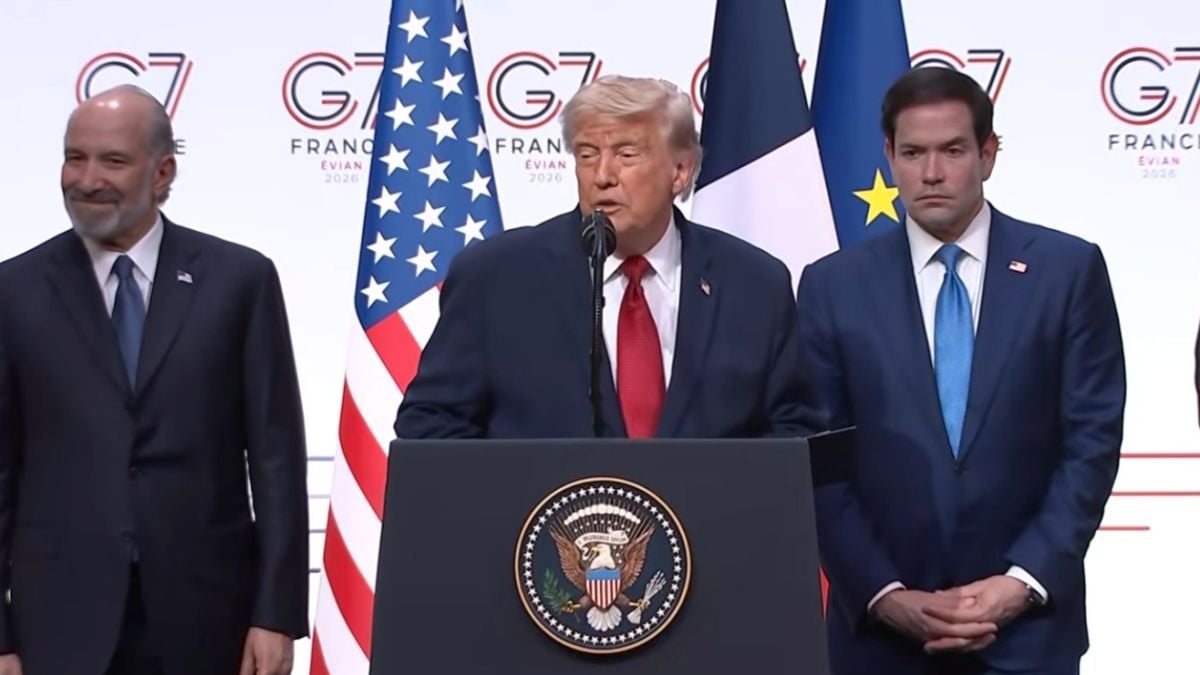
United States President Donald Trump delivered a primetime national address on Wednesday, 1 April 2026, marking one month since the launch of Operation Epic Fury, the US-Israeli military campaign against Iran that began on 28 February 2026.
Speaking from the White House over 19 minutes, Trump declared that the campaign's core strategic objectives were "nearing completion," while simultaneously promising two to three further weeks of intensive military action against the Islamic Republic.
"We are going to finish the job, and we're going to finish it very fast," Trump said. "We are going to hit them extremely hard over the next two to three weeks."
The speech failed to resolve market uncertainty. Oil prices surged sharply in response, with US West Texas Intermediate crude futures for May rising 4.1 per cent to US$104.21 per barrel as of 9:45 p.m. Eastern Time. International benchmark Brent crude futures for June climbed 5 per cent to US$106.42 per barrel.
Military claims and losses
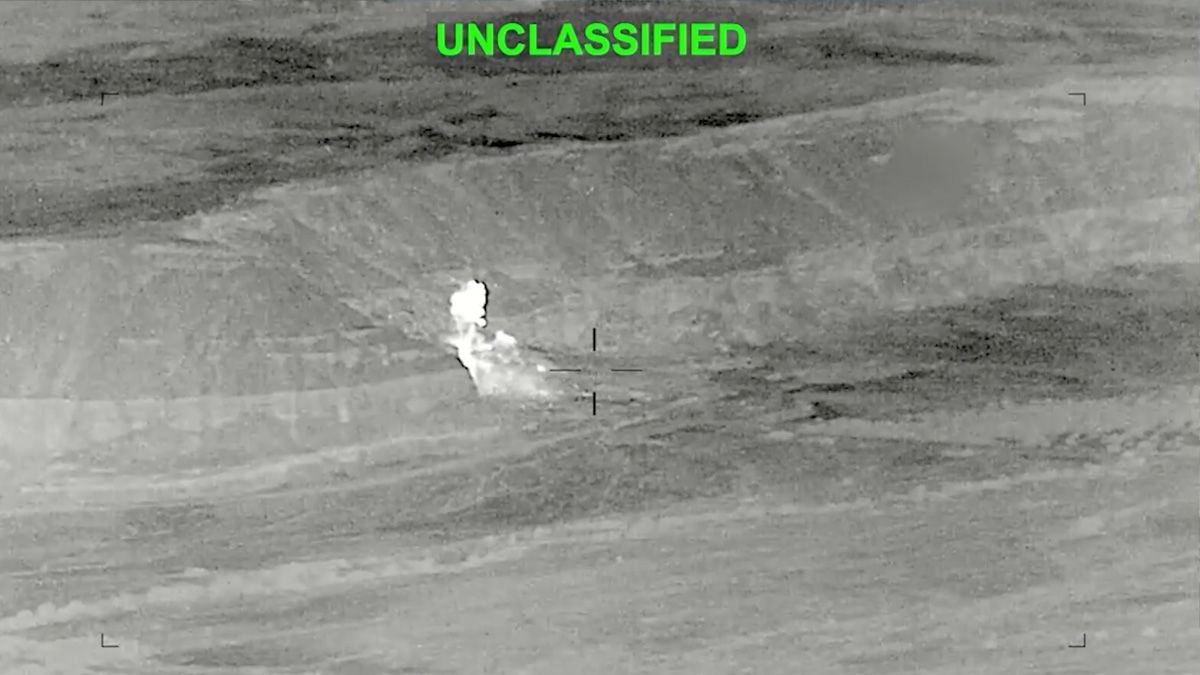
Trump characterised the military results of the past month in sweeping terms, claiming Iran's navy had been destroyed, its air force "in ruins," and most of its senior leadership killed. He said the command and control structure of Iran's Islamic Revolutionary Guard Corps (IRGC) was being "decimated."
On the first day of the conflict, Israel killed Iran's longtime supreme leader, Ayatollah Ali Khamenei, according to reporting by Le Monde.
Trump acknowledged that 13 American military personnel had been killed in the operation, framing their deaths as a sacrifice to prevent Iran from acquiring nuclear weapons.
He reiterated longstanding US policy positions, including his claim that he had ordered the killing of Iranian General Qasem Soleimani during his first term and that he had withdrawn the United States from the Iran nuclear agreement negotiated under former President Barack Obama.
Threats to civilian infrastructure
In remarks that drew international attention, Trump threatened to strike Iran's electricity-generating facilities if a negotiated settlement was not reached.
"We're going to hit each and every one of their electric generating plants," Trump warned. Attacks on civilian energy infrastructure are widely considered to be prohibited under international humanitarian law and may constitute war crimes under established laws of armed conflict.
Trump also told countries dependent on Gulf oil to exercise what he called "delayed courage" and to send their own forces to secure passage through the Strait of Hormuz. "Go to the Strait and just take it," he said.
Oil crisis and the Strait of Hormuz
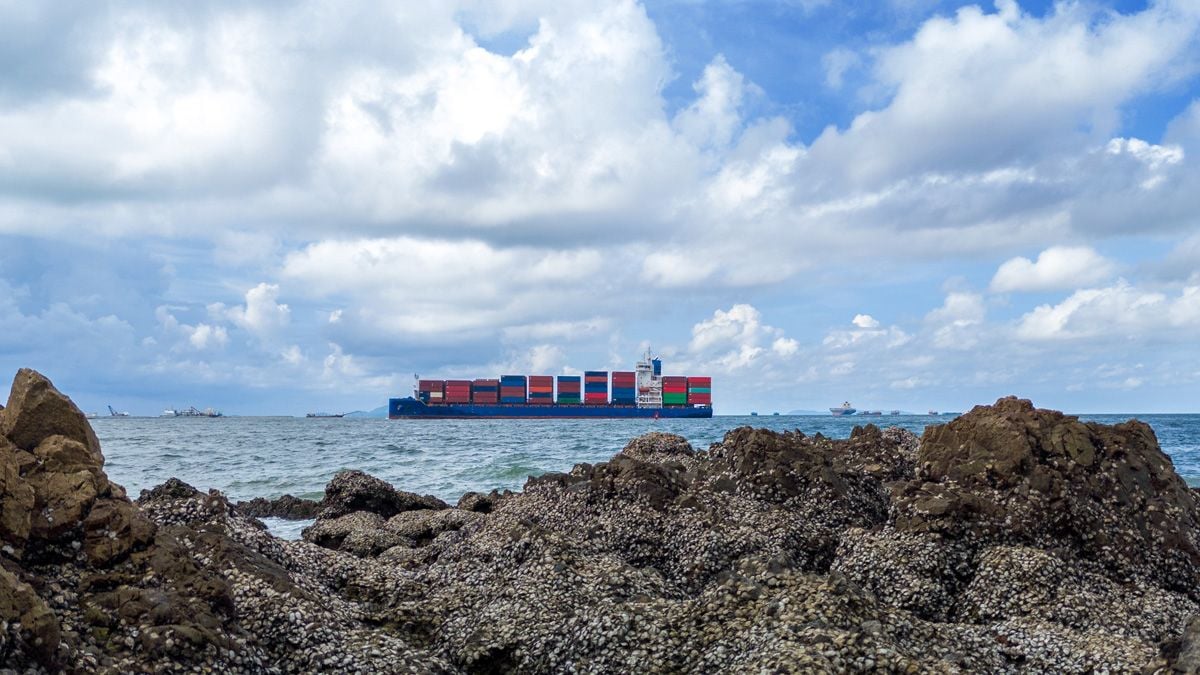
Traffic through the Strait of Hormuz, which prior to the conflict carried approximately one-fifth of the world's oil and gas flows, has effectively ceased since the start of the campaign on 28 February 2026.
Trump attributed the rise in global energy prices to what he described as "deranged terror attacks" by Iranian forces against commercial oil tankers and neighbouring countries. He urged affected nations to purchase oil from the United States.
Giles Alston, a political risk analyst at Oxford Analytica, told CNBC on Thursday, 2 April, that tanker traffic through the Strait was unlikely to resume in the near term.
"It's becoming increasingly clear that the US position on what you do to get your oil out of and through the Straits of Hormuz is now something which Washington has largely washed its hands off," Alston said.
Gasoline prices within the United States have risen above US$4 per gallon — exceeding US$1 per litre — for the first time in years, according to Le Monde, contributing to a decline in consumer confidence and a weakening of Trump's approval ratings.
Contradictory ceasefire signals
Earlier on Wednesday, Trump posted on his Truth Social platform that Iranian President Masoud Pezeshkian had requested a ceasefire, briefly raising market hopes and sending oil prices lower.
Trump stated that any ceasefire request would only be considered if the Strait of Hormuz were "open, free, and clear," adding: "Until then, we are blasting Iran into oblivion."
Iran's foreign ministry swiftly denied the claim, saying Tehran had made no such request and accusing Washington of advancing "maximalist and irrational" demands. The IRGC Navy said the Strait remained "decisively and dominantly" under its control.
The two sides have repeatedly contradicted each other's accounts of whether peace negotiations are under way. Trump has signalled both that a deal was close and that the US was prepared to escalate by deploying further military assets to the region.
Market reaction and political response
George Efstathopoulos, a portfolio manager at Fidelity International, told CNBC's Squawk Box Asia that markets had anticipated a binary outcome from the speech — either a signal of military wind-down or of further escalation.
"Clearly we seem to be on the latter path right now," Efstathopoulos said, adding that the address would likely deepen risk-off sentiment among investors as uncertainty continued.
Share prices fell in early Thursday trading, according to Le Monde, as Trump's address dispelled hopes of an imminent end to hostilities.
Democratic United States Senator Chris Murphy offered a sharp assessment of the speech on the social media platform X.
"Anyone watching that speech has no idea whether Trump is escalating or de-escalating the war with Iran," Murphy wrote. "But to be fair, neither does he."
Diplomatic posture
Trump offered limited detail on what a diplomatic resolution would look like, despite stating that "discussions are ongoing" with Tehran.
He framed US leverage in transactional terms: "We have all the cards. They have none."
Trump also addressed Gulf Arab allies who have sustained more than a month of Iranian retaliatory strikes, saying the United States would not allow them to "get hurt or fail." He separately criticised European governments that had not supported the campaign, noting their greater dependence on Gulf oil supplies.
The address came as Trump's approval ratings have fallen to new lows, driven in part by the economic impact of rising fuel costs and broader market instability linked to the conflict.