Grassroots advisers not public servants and receive no pay or benefits, says Edwin Tong
Minister Edwin Tong says Grassroots Advisers are not public servants and receive no remuneration, responding to Workers’ Party MP Fadli Fawzi’s parliamentary questions on their status, benefits, and access to information.

- Fadli Fawzi asked if Grassroots Advisers are public servants and what benefits they receive.
- Edwin Tong said they are not public servants and receive no remuneration or allowances.
- Tong added advisers may access relevant information under existing laws and regulations.

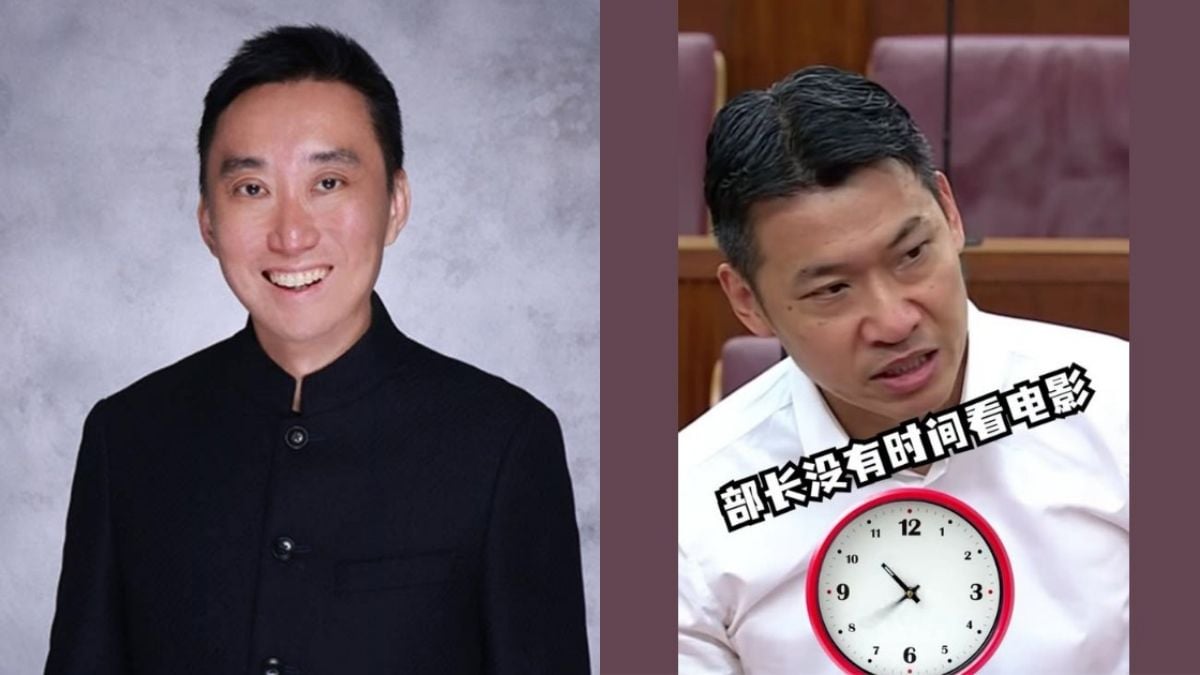
SINGAPORE: Edwin Tong has stated that Grassroots Advisers (GRAs) are not officers in the Public Service and do not receive any remuneration, allowances, or benefits in their roles.
The clarification came in a written parliamentary reply dated 8 April 2026, issued in response to questions from Fadli Fawzi, a Member of Parliament from the Workers’ Party.
Tong, who was responding in his capacity as the minister overseeing the People’s Association (PA), addressed queries concerning the status, compensation, and informational access of GRAs.
Fadli had asked whether Grassroots Advisers who are not elected Members of Parliament are considered officers in the Public Service.
He also sought clarification on “what kind of remuneration, allowance, or benefit are provided to them” and what information, if any, they receive that would not ordinarily be shared with the public.
In his reply, Tong stated: “Grassroots Advisers are not officers in the Public Service, and do not receive any remuneration or other allowance or benefit in their role as GRAs.”
Access to information and regulatory safeguards
Tong further explained that the work of the People’s Association may require access to information and data to function effectively.
“In the course of their duties, GRAs and grassroots organisations receive relevant information which will enable them to discharge their functions,” he said.
He added that such information sharing is governed by legal and regulatory frameworks.
“Such information is shared in accordance with relevant legislation and any prevailing public service regulations,” Tong stated.
Role of the People’s Association
The People’s Association is a statutory board under the Ministry of Culture, Community and Youth.
Grassroots Advisers are appointed by the PA to oversee grassroots organisations and often act as intermediaries between the government and residents.
Their role includes engagement with community groups and oversight of local initiatives through grassroots bodies.
The role of Grassroots Advisers has been a recurring subject of political debate.
In an April 2025 Facebook post, the Workers' Party chief Pritam Singh highlighted that PAP candidates who lose elections are often appointed as Grassroots Advisers under the PA.
Singh, also the Aljunied GRC MP, noted that despite being described as “apolitical”, these advisers oversee grassroots bodies such as Citizens’ Consultative Committees and Residents’ Committees, giving them visibility and influence within constituencies.
Elected WP MPs not made GROs advisers in their constituencies
The issue is further complicated by the absence of opposition Members of Parliament from grassroots advisory roles in their own constituencies.
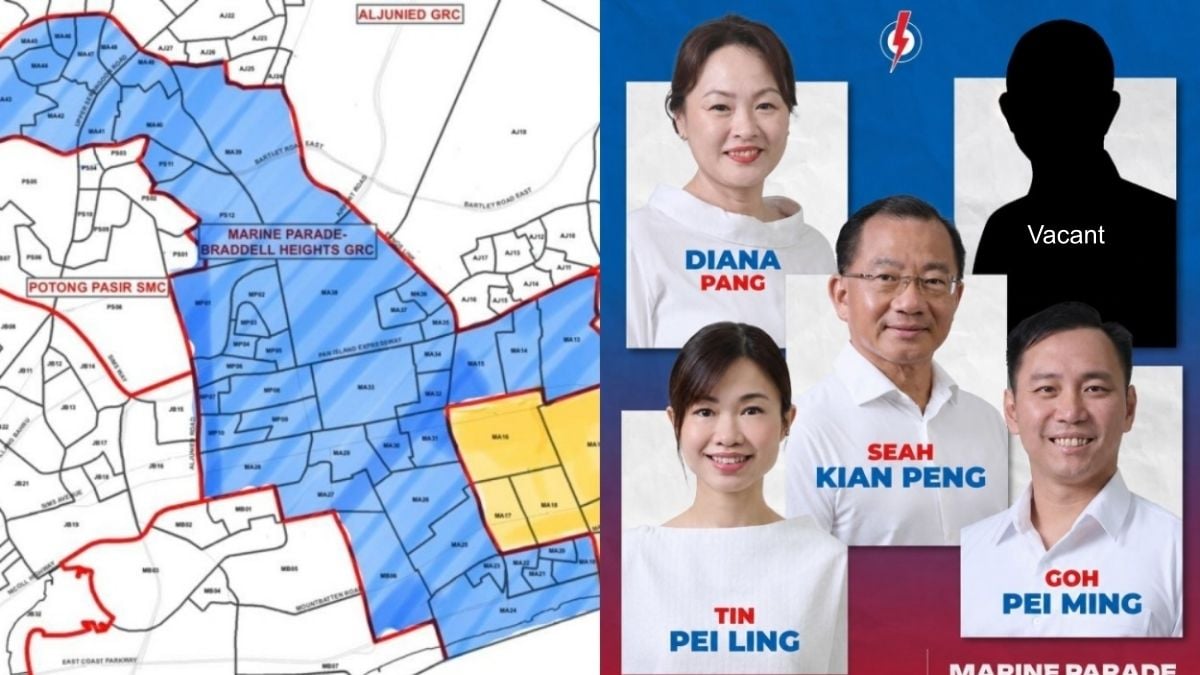
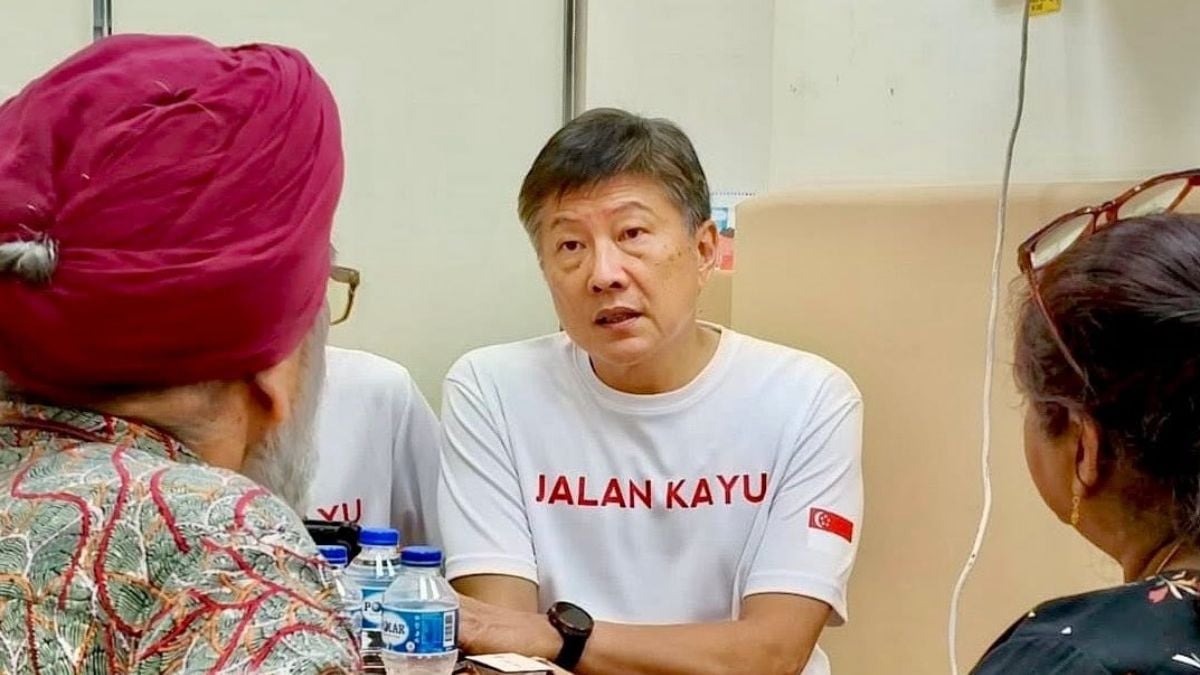
Elected Workers’ Party MPs in Seng Kang GRC, Aljunied GRC, and Hougang SMC are not appointed as advisers to grassroots organisations, unlike PAP MPs in other wards.
This has practical implications. Opposition MPs are unable to attend certain community events, including Edusave Awards ceremonies.
Sengkang GRC MP Associate Professor Jamus Lim previously highlighted this issue in 2022 after being unable to attend such a ceremony.
Access to public funding is also affected. In opposition wards, MPs must submit proposals to Citizens’ Consultative Committees under the PA to access Community Improvement Projects Committee funds administered by the Ministry of National Development.
Previous allegations and official responses
In 2016, WP Chairman Sylvia Lim alleged that some PA members had used the organisation to advance the political agenda of the ruling party.
She cited instances where PA activists were mobilised during election campaigns.
At the time, Chan Chun Sing, then Minister in the Prime Minister’s Office and deputy chairman of the PA, rejected the allegations.
He defended that PA is an apolitical organisation that “executes the directions for the government of the day as per any statutory board”.
“The People’s Association does not allow any political activity or canvassing on our premises or in our activities and we certainly do not mobilise anyone for any political party,” Chan said.
It is worth noting that Singapore’s Prime Minister, Lawrence Wong, also serves as the chairman of the PA and majority of the board is filled with PAP members.