Trump says Iran blockade could last months as oil prices hit four-year high
US President Donald Trump has signalled the US naval blockade of Iran could continue for months, sending Brent crude to US$119.69 a barrel — its highest since the early days of the Ukraine war in 2022.

- Trump told oil executives the naval blockade of Iran could continue for months if needed.
- Brent crude surged to US$119.69 on 29 April, its highest level since the 2022 Ukraine war.
- The UN Development Programme warned the conflict risks pushing 30 million people into poverty globally.

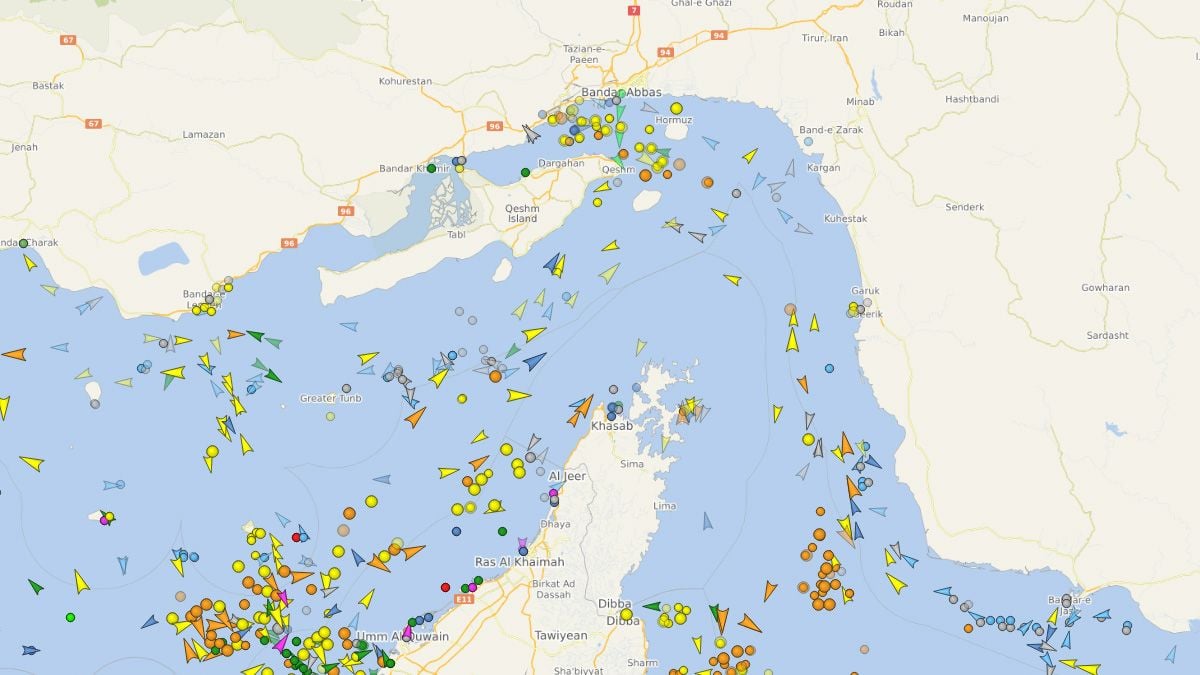
President Donald Trump has signalled the US naval blockade of Iran could last for months, sending global oil prices to their highest level in more than four years as diplomatic efforts to end the conflict remain deadlocked and shipping through the Strait of Hormuz has collapsed to just five per cent of pre-war levels.
Brent crude futures closed at US$124.54 a barrel on 29 April 2026, touching a session high of US$124.55, with the contract gaining 17.52 per cent over the preceding five trading days — a level not seen since the opening weeks of Russia's war on Ukraine in 2022. Oxford Economics has warned that if the strait remains effectively closed for six months, oil could reach US$190 per barrel by August.
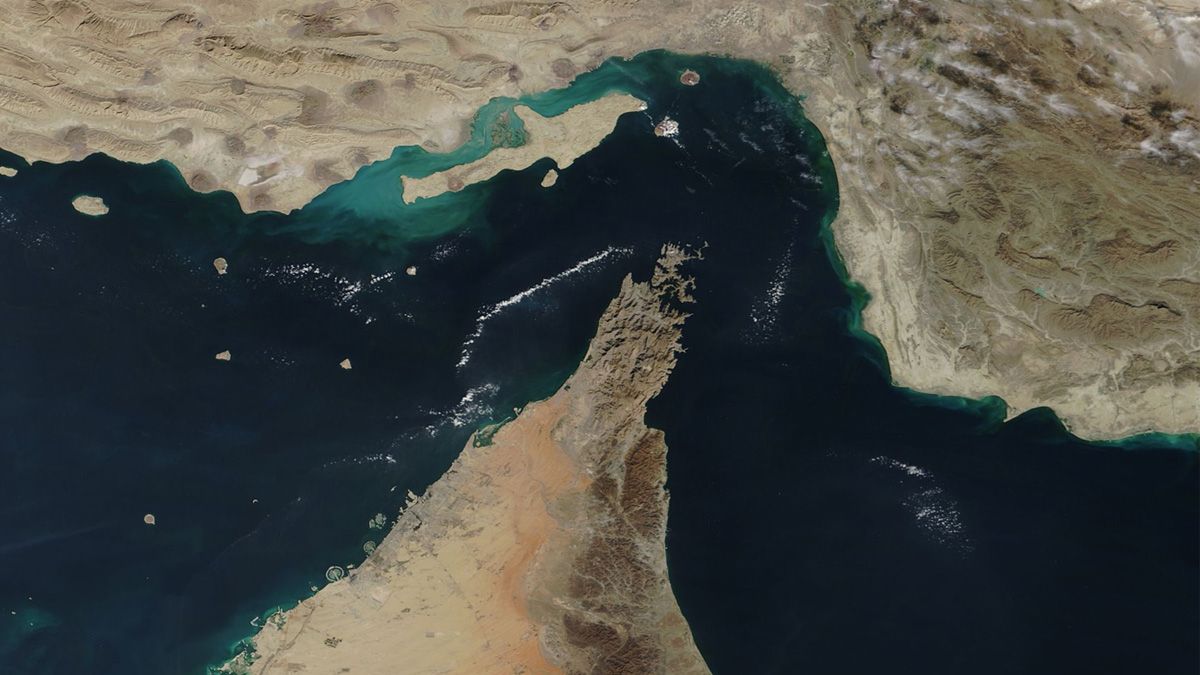
Iran controls the strait, a narrow waterway through which approximately one-fifth of the world's oil supply typically transits. Tehran has demanded a total cessation of hostilities and the lifting of US sanctions before any substantive negotiations can take place.
Trump, speaking to Axios about the naval action, said Iran was "choking like a stuffed pig" and warned the situation would deteriorate further for Tehran.
The counter-blockade and its costs
The Trump administration launched a counter-blockade on 13 April 2026, targeting all vessels attempting to reach Iranian ports in response to Iran's closure of the strait. The strategy reflects a deliberate shift from aerial bombardment toward economic strangulation, with Trump betting that pressure from within Iran will erode the Islamic Revolutionary Guard Corps' (IRGC) grip on power.
On 28 April 2026, Trump met a group of energy industry executives at the White House to discuss the conflict's economic implications. A White House official, speaking on condition of anonymity, said the meeting covered efforts to "alleviate global oil markets and steps we could take to continue the current blockade for months if needed and minimise impact on American consumers."
Trump argued at the meeting that the blockade had proven more effective than direct bombardment. The Pentagon has disclosed total operational costs of approximately US$25 billion to date in direct costs alone, a figure that sources say could reach US$40-50 billion once damage to US military bases across the Gulf region is factored in.
Petrol prices at some US locations have already exceeded US$8 per gallon, adding to fierce domestic debate over the War Powers Resolution and the broader cost of the conflict to American consumers.
Diplomacy at standstill
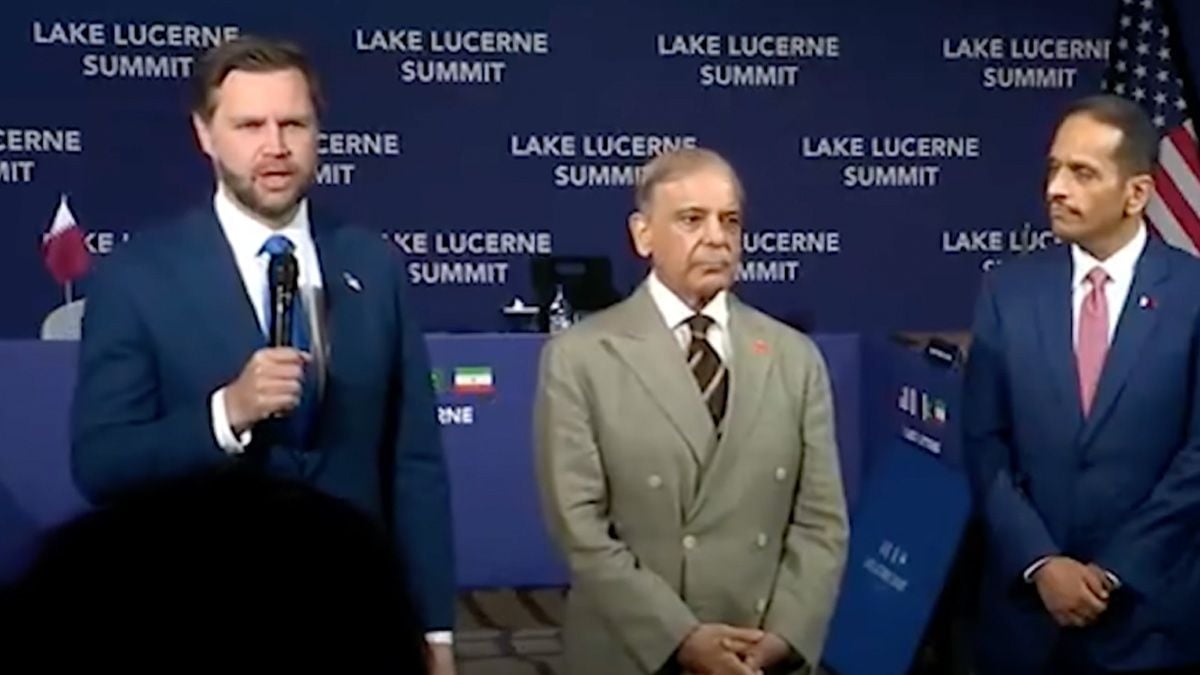
Diplomatic efforts between Washington and Tehran have encountered repeated setbacks. Top US officials including Vice-President JD Vance twice cancelled planned trips to Pakistan, where negotiations with Iranian counterparts had been scheduled. Tehran has since expressed public doubts about the administration's sincerity in pursuing a diplomatic resolution.
US officials have said they are uncertain who holds effective authority on the Iranian side. Following Israeli strikes that killed a series of senior Iranian leaders, including Supreme Leader Ali Khamenei, a significant power vacuum remains. Officials say they do not know whether the increasingly empowered IRGC or the country's diplomatic establishment is directing Tehran's position.
On 29 April 2026, Trump spoke by telephone with Russian President Vladimir Putin. Putin warned Trump of "damaging consequences" should the United States and Israel resume direct military strikes on Iran, signalling that Moscow may be moving from a muted posture toward more active support for Tehran.
Iran has proposed a partial easing of its control over the Strait of Hormuz in exchange for a simultaneous lifting of the US blockade and the opening of broader negotiations. The Trump administration has viewed the proposal with scepticism.
The Ghalibaf factor
Iran's speaker of parliament, Mohammad Bagher Ghalibaf, has emerged as a central figure in Tehran's public posture since the war began, frequently appearing in IRGC uniform.
On 29 April, he accused the US of using the blockade to create internal division and "make us collapse from within," and insisted that reopening the strait was impossible while the US blockade remained in place.
Trump clashes with Germany
Trump on 29 April lashed out at German Chancellor Friedrich Merz, threatening to reduce the more than 36,000 US troops stationed in Germany after Berlin refused to back the Iran war or contribute to a proposed peacekeeping force in the Strait of Hormuz.
Merz had drawn Trump's ire after saying earlier in the week that Iran was "humiliating" Washington at the negotiating table and that the US had "no strategy." Trump responded by claiming Merz "doesn't know what he's talking about" and suggested Germany's economic difficulties stemmed from weak leadership, further straining the transatlantic alliance.
Humanitarian and economic fallout
The United Nations Development Programme (UNDP) warned on 29 April that the conflict, which has caused fertiliser prices to soar, risks pushing more than 32 million people into extreme poverty across 160 countries. UNDP chief Alexander De Croo described the situation to AFP as "development in reverse."
Inside Iran, the rial has fallen to historic lows against the US dollar. Tehran residents speaking to AFP journalists in Paris reported widespread despair over the absence of meaningful economic relief despite years of on-and-off negotiations.
A 52-year-old architect, who spoke on condition of anonymity, said the economic situation had worsened each time negotiations had taken place, with sanctions either introduced or intensified as a result. He said people had the right to no longer want to hear the word "negotiation."
War Powers threshold
The conflict has now crossed the 60-day threshold under the 1973 War Powers Resolution, setting the stage for a significant constitutional confrontation in early May. Under the resolution, Congress must vote to either formally authorise the continued use of military force or compel a withdrawal.
Previous Senate efforts to end hostilities have failed on multiple occasions, and a House of Representatives resolution invoking war powers authority fell short by a single vote earlier this month.