WP MPs oppose MND Bill after clashes over legality of retroactively validated agency fees
Workers’ Party MPs voted against a government Bill after raising concerns over amendments to retroactively validate fees collected by four MND agencies, following lengthy exchanges with ministers over legality, transparency and whether Singaporeans were affected.

- WP MPs opposed the Bill over concerns about retroactively validating fees collected by four statutory boards.
- Ministers defended the fees as administrative charges collected in good faith and rejected claims they were illegally imposed.
- Parliament passed amendments covering wildlife penalties, URA functions and legislative backing for agency fees.

SINGAPORE: Workers’ Party (WP) MPs voted against the Statutes (Miscellaneous Amendments) Bill on 7 May 2026 after a prolonged exchange in Parliament over amendments intended to retroactively validate fees collected by four statutory boards under the Ministry of National Development (MND).
The vote marked the first time during the current parliamentary term, which began in September, that the WP formally recorded its dissent against a Bill.
The proposed legislation covered amendments affecting several agencies under MND, including the Building and Construction Authority (BCA), Housing and Development Board (HDB), National Parks Board (NParks) and Urban Redevelopment Authority (URA).
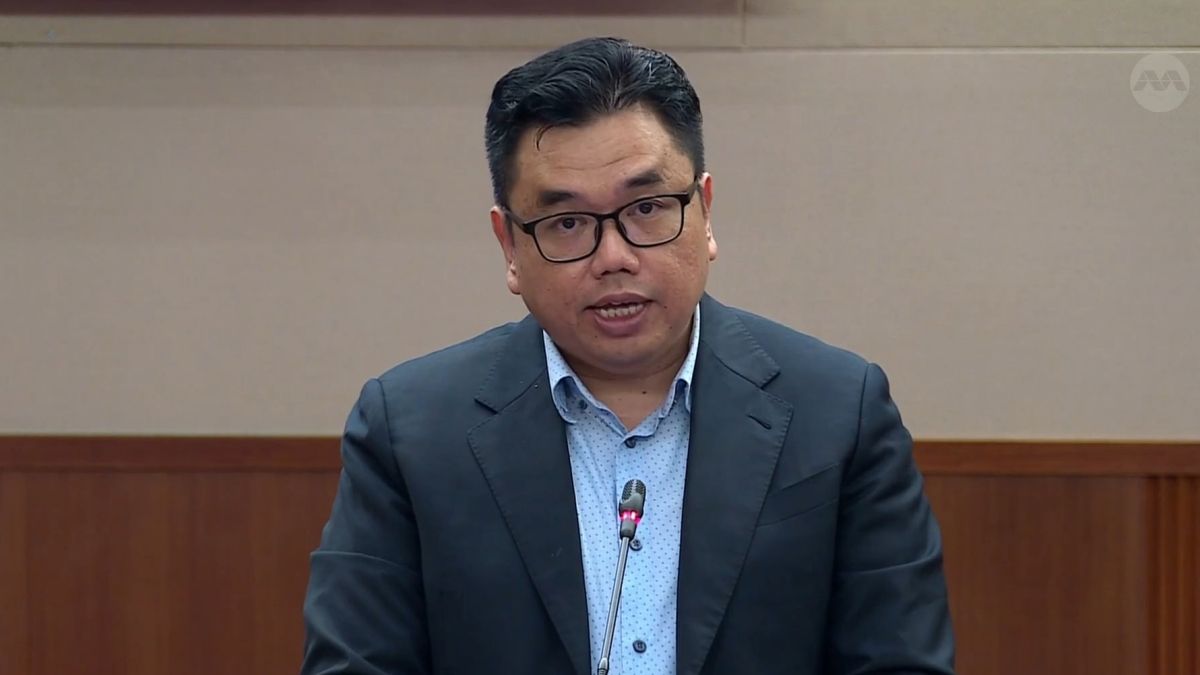
Senior Parliamentary Secretary for National Development Syed Harun Alhabsyi said the amendments were “largely technical and operational in nature” and would strengthen Singapore’s regulatory framework.
Introducing the Bill in Parliament on Thursday, Dr Syed Harun said the amendments would ensure Singapore’s statutory boards could continue serving the public “effectively with proper legislative backing”.
The amendments were grouped into five categories.
One set of amendments clarified and expanded the functions of BCA and URA.
Under the proposed changes, BCA would act as the Government’s agent in managing programmes such as the Estate Upgrading Programme for private residential estates.
URA would also undertake and coordinate planning for transport infrastructure, utilities and other national infrastructure projects.
The authority would additionally advise the Government on planning matters related to such infrastructure and oversee the implementation and upgrading of projects.
Another amendment proposed increasing penalties for wildlife feeding offences.
Under the Bill, first-time offenders could face maximum fines of S$10,000, up from S$5,000 currently. Repeat offenders could face fines of up to S$20,000 and imprisonment of up to 12 months.
“This will provide stronger deterrence against illegal wildlife feeding, and better safeguard public health and safety,” Dr Syed Harun told Parliament.
The Bill also proposed amendments to the Endangered Species (Import and Export) Act 2006.
Hybrid plants would be included within the definition of “scheduled species”, allowing NParks to issue documentation required by some countries for artificially propagated hybrids.
“Including hybrid plants in the definition of ‘scheduled species’ allows NParks to issue the necessary documentation to facilitate trade,” Dr Syed Harun said.
Questions over retroactive validation
The most contentious portion of the debate centred on provisions validating fees and charges collected by BCA, HDB, NParks and URA.
The Bill proposed formally prescribing certain fees and charges in legislation.
These included charges for expedited building inspections, temporary occupation permits, animal permits and species certifications.
Dr Syed Harun said the fees had originally been treated as administrative charges for services or enforcement activities.
However, following what he described as a comprehensive internal review, MND was advised that such fees should instead have been expressly prescribed in legislation.
WP MPs questioned how the issue had remained undiscovered for years across four statutory boards governed by different parent Acts.
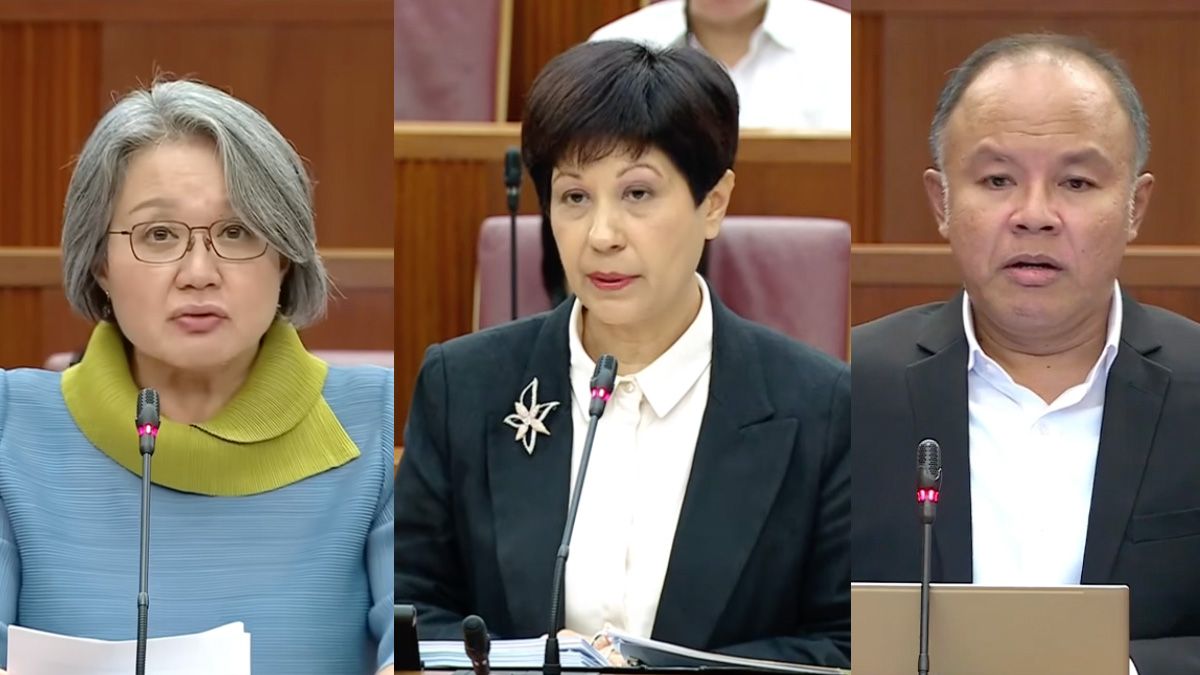
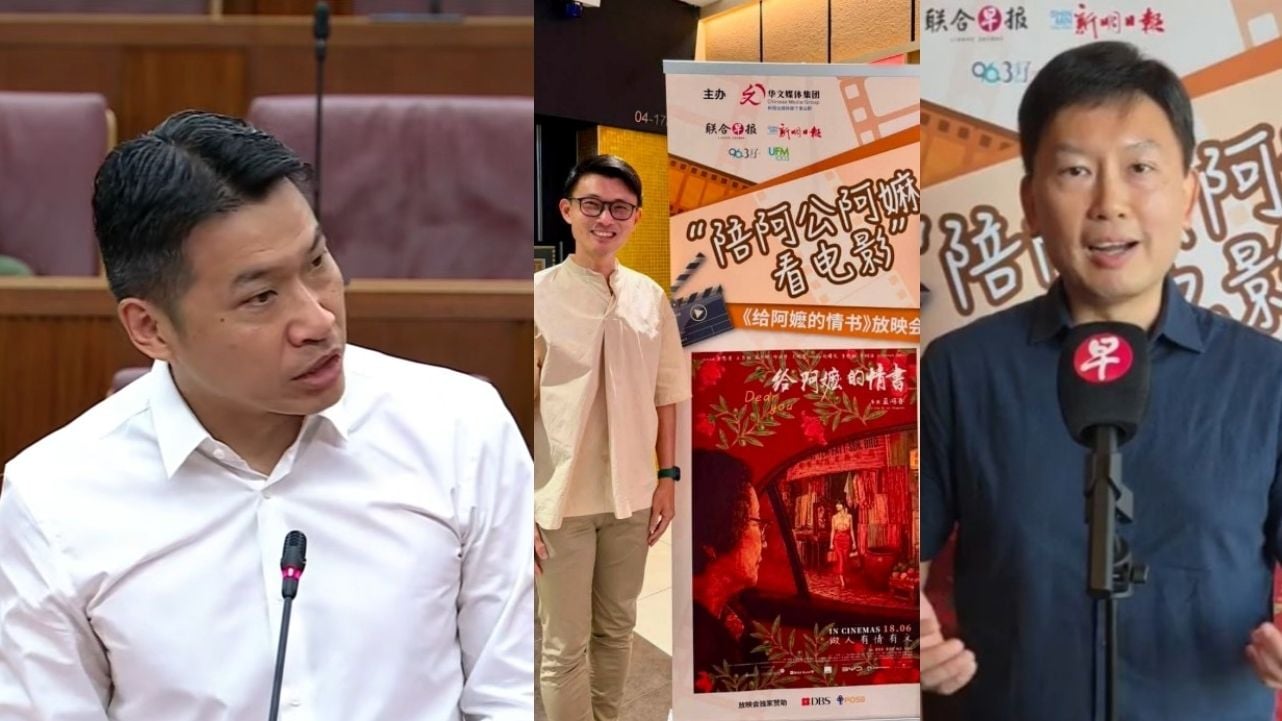
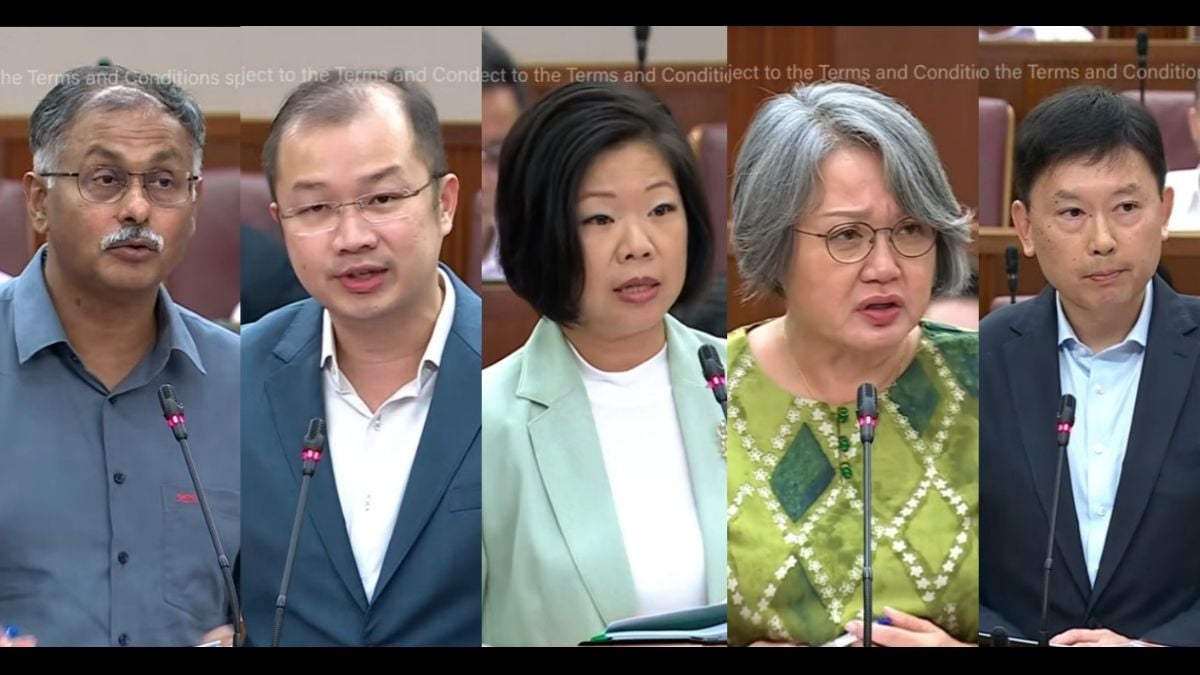
Aljunied GRC MP Fadli Fawzi said the amendment implied that fees had been collected “for years on a legal basis that the Government now concedes was inadequate”.
“It is a significant thing for this to have happened across four agencies under four different parent Acts, and to have gone undetected for as long as it did,” he said.
Fadli asked how much money had been collected under the affected fees and whether a broader review across government agencies had been conducted after the legislative gap was discovered.
Non-Constituency MP Andre Low raised similar concerns during the debate.
He referenced a 2023 parliamentary debate involving legislation permitting then-President Tharman Shanmugaratnam to hold international appointments in a private capacity, with provisions backdated to his inauguration date.
Andre Low said retroactive legislation had previously been justified on grounds that “no one was prejudiced”.
However, he argued the present case differed because Parliament had not been told how many people were affected by the fees.
“I am not asserting that large numbers of people suffered serious harm. I do not know. Neither does this House,” he said.
“If the deductions were trivial and affected very few people, the Government can say so. The information exists. If the answer is reassuring, disclosure costs nothing. Its absence is harder to explain.”
PAP MP David Hoe also called for greater clarity from the Government.
He said he understood that legislation occasionally needed updating to address technical gaps, but added that the Government should explain clearly what had happened and whether members of the public had been materially affected.
“While I have trust in the integrity of our public servants to do good by Singaporeans, public trust must continue to be sustained and strengthened when such matters are explained clearly and candidly,” he said.
Government rejects claims of illegality
Responding to the concerns, Dr Syed Harun said the fees had been “appropriate and charged in good faith”.
He added that none of the fees had previously been subject to legal challenge.
The agencies would now assess whether future fees linked to statutory or regulatory functions required legislative prescription, he said.
“MND has chosen to bring this issue to Parliament as we are open and transparent about the matter,” Dr Syed Harun said.
“The fees charged were appropriate, not wrongly collected, and we are validating to ensure that this is, moving forward, aligned with legislation.”
Fadli subsequently asked what legal basis the agencies had relied upon when imposing the fees initially.
“On what legal basis did each of these agencies think that they had authority to impose these fees or charges in the first place?” he asked.
Dr Syed Harun replied that the agencies had regarded the charges as administrative fees that they were permitted to collect.
He rejected suggestions that the ministry was attempting to correct an “egregious” mistake.
“But the spirit of this Bill is really about making sure that we move forward with the legislative backing and mandate for our agencies,” he said.
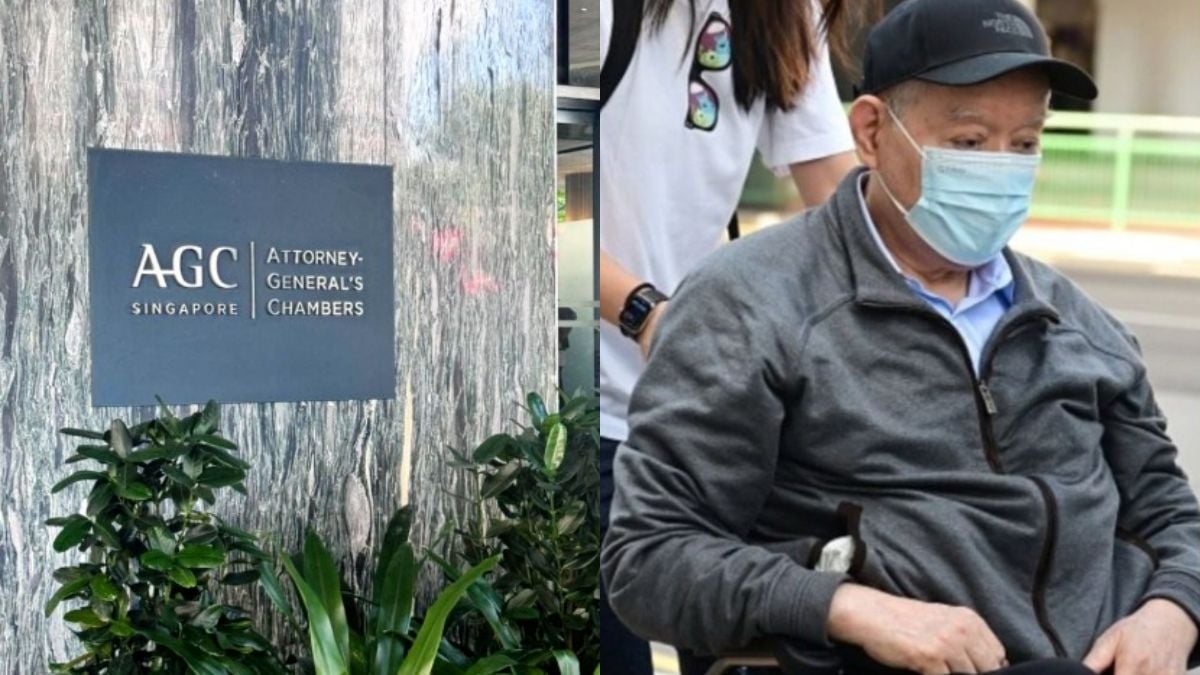
He added that the Attorney-General’s Chambers had advised MND that fees associated with statutory and regulatory functions would be better provided for in legislation.
WP chair Sylvia Lim then questioned whether the fees collected before the Bill were legally authorised.
Dr Syed Harun reiterated that the fees had previously been treated as administrative charges connected to the agencies’ statutory functions.
Pritam Singh presses ministers over affected residents and total fees collected
Andre Low later asked directly whether refunds would be issued.
“It’s a very simple question: Will there be refunds? If there are not going to be any refunds, why no refunds?” he said.
National Development Minister Chee Hong Tat intervened during the exchange.
Chee said the fees reflected cost recovery for services provided by the agencies and should not be regarded as wrongful collections.
“There’s really no refund to talk about, because this is not a wrong collection,” he said.
WP chief Pritam Singh later pressed ministers on the amount of fees collected and the number of Singaporeans affected.
“Do you have the number of people affected and the quantum of monies?” Singh asked.
“We’re talking about does the Government have that information and is it prepared to share that information in Parliament before we vote on the Bill.”
During the exchange, Dr Syed Harun searched through documents before replying that he did not have “the full number of the extent of the collective amount”.
He said he could only provide examples of current charges imposed by some agencies, including a S$3.27 fee for renewing a policy under the HDB fire insurance scheme.
After another pause while Dr Syed Harun searched through documents, Chee stepped in again.
“I would like to explain to Singh and to the honourable members of the Workers’ Party that it’s not that we do not want to give you a number,” Chee said.
“I hope you understand these fees were collected over a long period of time — if I’m not wrong, I think since independence, when we first started.”
“So we may not have the full, accurate record of all the amounts collected that we are able to share with you precisely.”
Chee added that if Parliament accepted the Government’s position that the fees were administrative rather than wrongful collections, the ministry would “certainly try our very best” to determine the figures accurately.
Singh responded that the Opposition had a duty to scrutinise legislation.
“As the Opposition, we come to this House to scrutinise Bills, and it is our duty to ask those questions,” he said.
Aljunied GRC MP Gerald Giam later asked whether the Government could provide at least “an order of magnitude” regarding the sums collected.
He also asked whether refunds would be issued for fees he characterised as having been “illegally collected”.
Chee rejected that description and said he disagreed with the characterisation that the fees had been collected unlawfully.
After several more exchanges over the legality of the fees and the rationale for retroactive validation, Parliament proceeded to vote on the Bill.
The 11 WP MPs present in the chamber recorded their dissent.
Associate Professor Jamus Lim was not in the chamber during the vote.