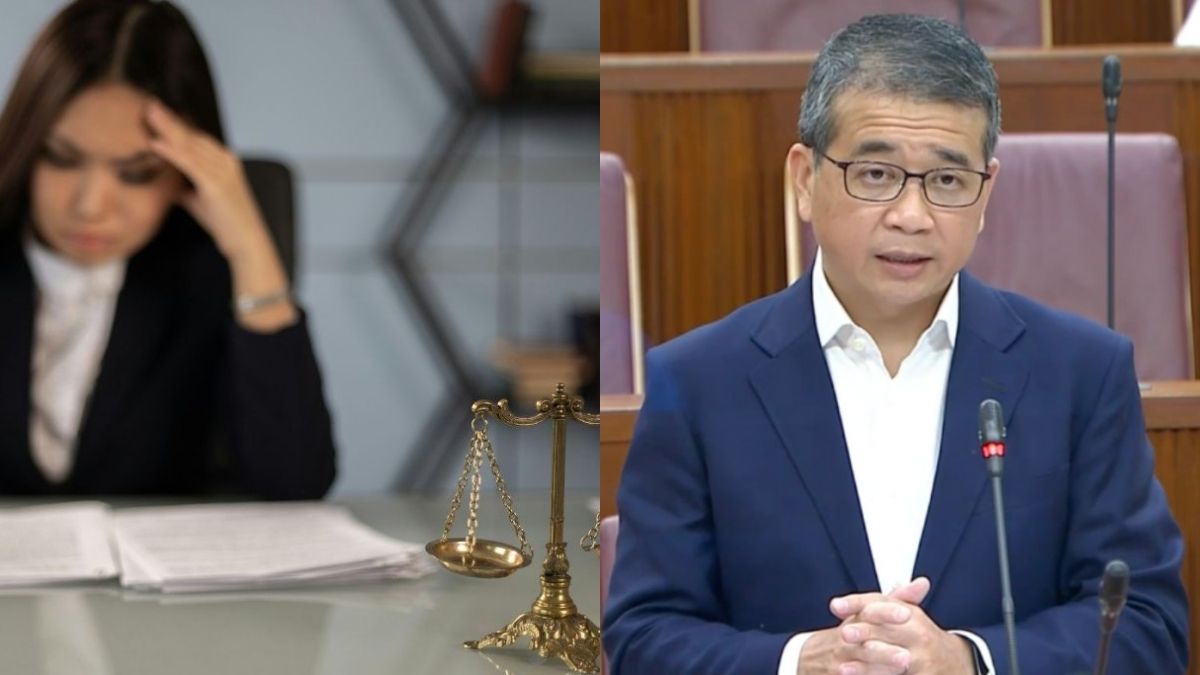
David Neo's 'no time to watch movies' remark draws backlash as netizens cite ministers who watched Dear You
Acting Culture, Community and Youth Minister David Neo's remark that "ministers have no time to watch movies" sparked online criticism after netizens pointed out several PAP ministers had recently attended the Teochew screening of Dear You amid an ongoing debate over dialect-language films.
- David Neo's remark that ministers had "no time to watch movies" prompted widespread online criticism.
- Netizens highlighted that other PAP ministers had recently attended a Teochew screening of Dear You.
- The controversy reignited debate over dialect-language policies, cultural identity and ministerial engagement with culture.

Acting Culture, Community and Youth Minister David Neo's remark that "ministers have no time to watch movies" during a parliamentary exchange over dialect-language films has triggered widespread criticism online, with many netizens pointing out that several ministers from the ruling People's Action Party (PAP) had recently attended a Teochew screening of the film Dear You.
The comments emerged after Parliament debated the Government's approach towards dialect-language films on 7 July 2026, amid continuing public discussion over whether long-standing restrictions introduced during the Speak Mandarin Campaign remain relevant today.
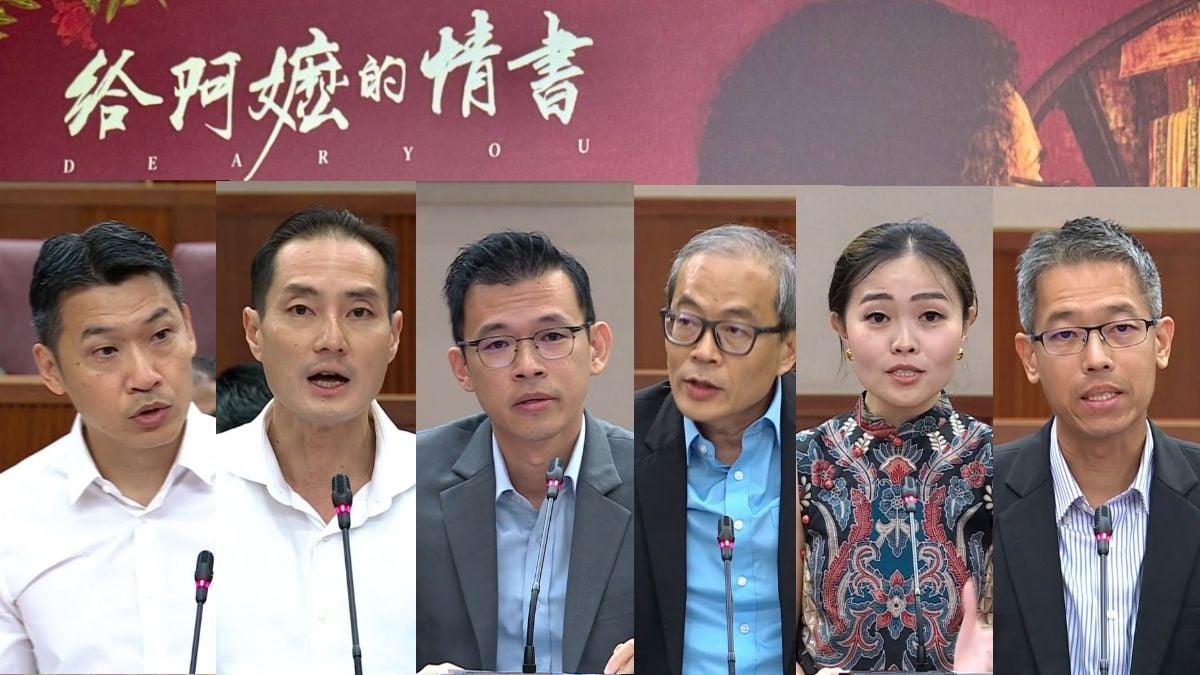
Speaking in Mandarin during a supplementary question, Workers' Party MP Kenneth Tiong, representing Aljunied GRC, said Teochew-speaking residents in his constituency had asked him in dialect why they were not allowed to watch Teochew films.
He questioned whether the Government's objective was to promote Mandarin or to restrict dialects, arguing that the two represented different policy goals.
"Is the Government's goal to promote Mandarin, or to restrict dialects?" he asked.
"If the goal is simply to promote Mandarin... will the Government review all measures that exist purely to restrict dialects — including those relating to films and broadcasting — and remove restrictions that are no longer necessary?"
Tiong also asked the ministers whether they had watched the Mandarin or Teochew version of Dear You.
"Which version of Dear You did Ministers watch? Was it Teochew or Mandarin version?"
Responding in Mandarin, Neo quipped that "ministers had no time to watch movies".
He nevertheless said the Government recognised that dialects made a distinctive contribution to Singapore Chinese culture.
Neo added that the Government frequently worked with clan associations to promote dialects and their respective cultures.
"They contribute very distinctively towards our Singapore Chinese culture, and if there's a demand, I think they'll be more than happy to extend their classes to more people," he said.
The Government also told Parliament that the Infocomm Media Development Authority (IMDA) is reviewing the current film classification framework relating to the use of dialects in films, although it stopped short of committing to remove the existing restriction governing dialect-language cinema releases.
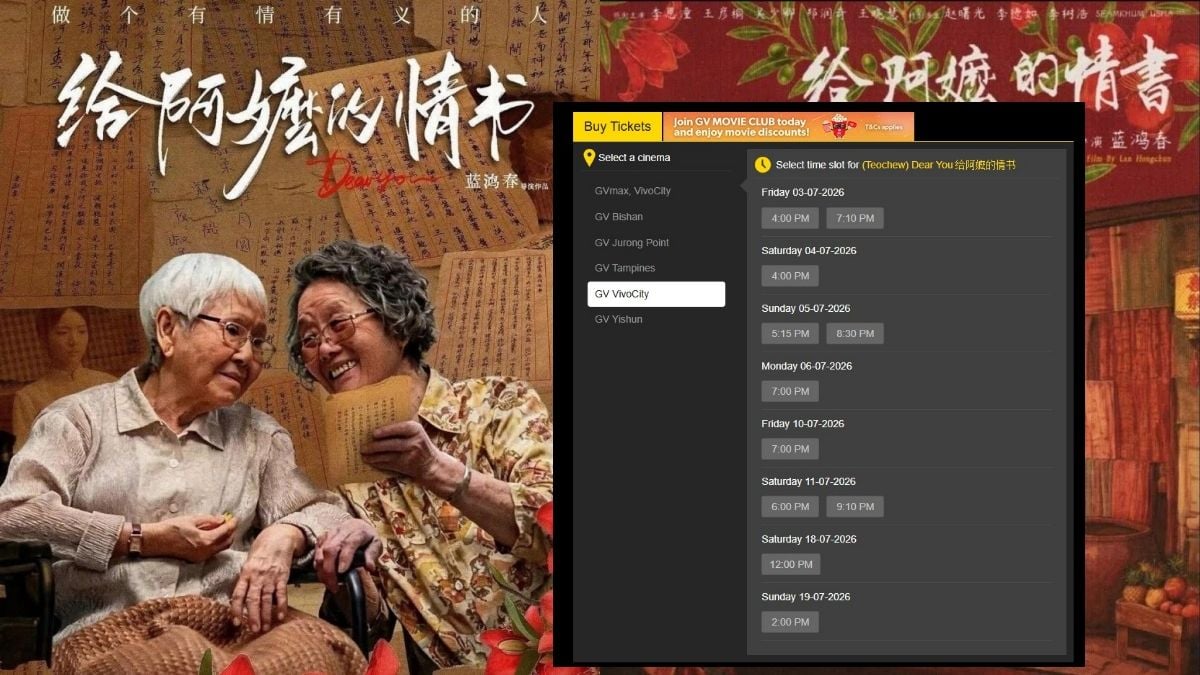
Dear You first opened in Singapore on 18 June with Mandarin-dubbed screenings for the general public, while the original Teochew version was initially limited to festivals and selected niche screenings.
The release sparked widespread public debate over the place of Chinese dialects in Singapore. IMDA subsequently indicated it would adopt a more flexible approach when considering future applications for dialect-language films in cinemas.
Tiong was among 11 Members of Parliament who spoke during the parliamentary discussion on Dear You.
Netizens point to ministers who attended Teochew screening
Soon after Neo's parliamentary remark, social media users drew attention to photographs and reports showing several PAP ministers had recently attended a Teochew screening of Dear You.
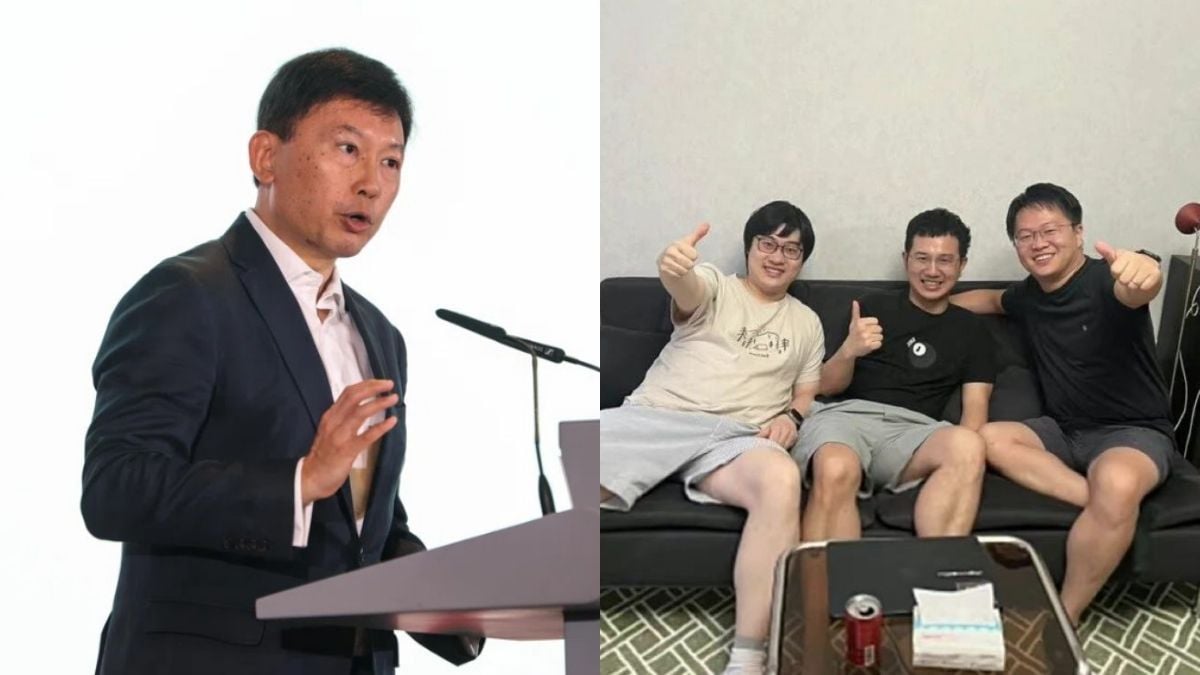
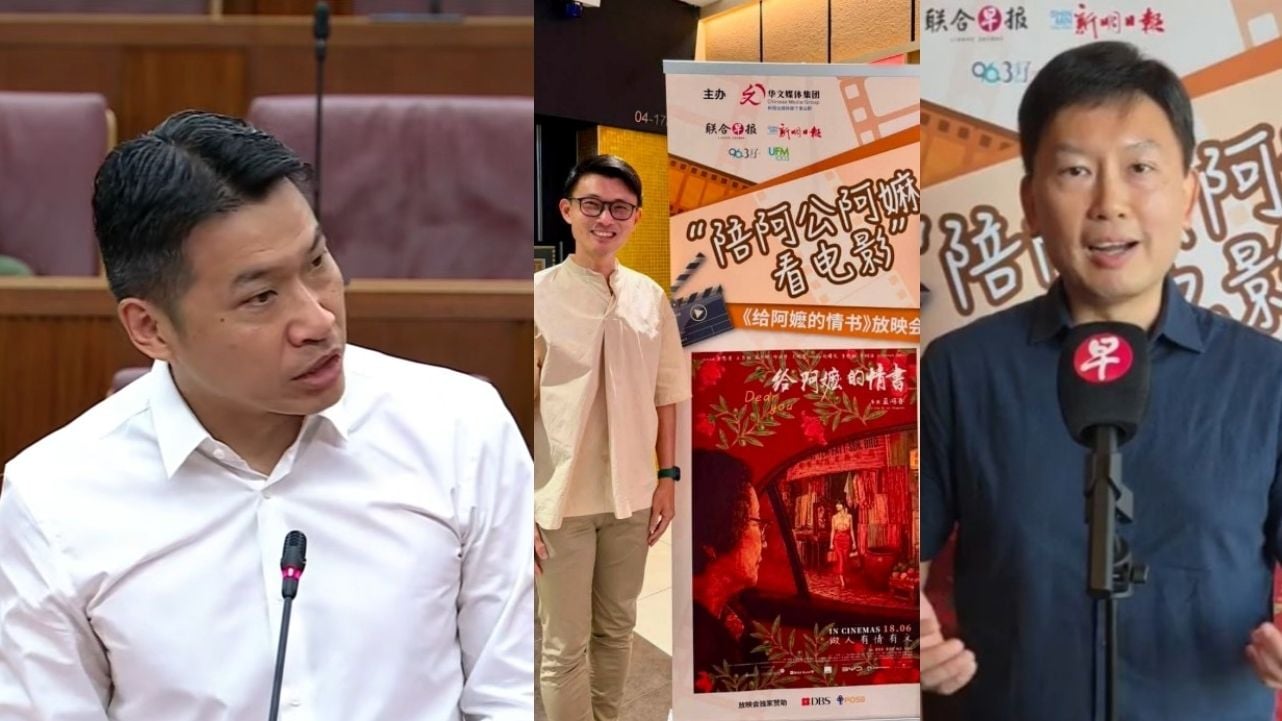
Among those mentioned were Minister of State for Culture, Community and Youth Baey Yam Keng and National Development Minister Chee Hong Tat.



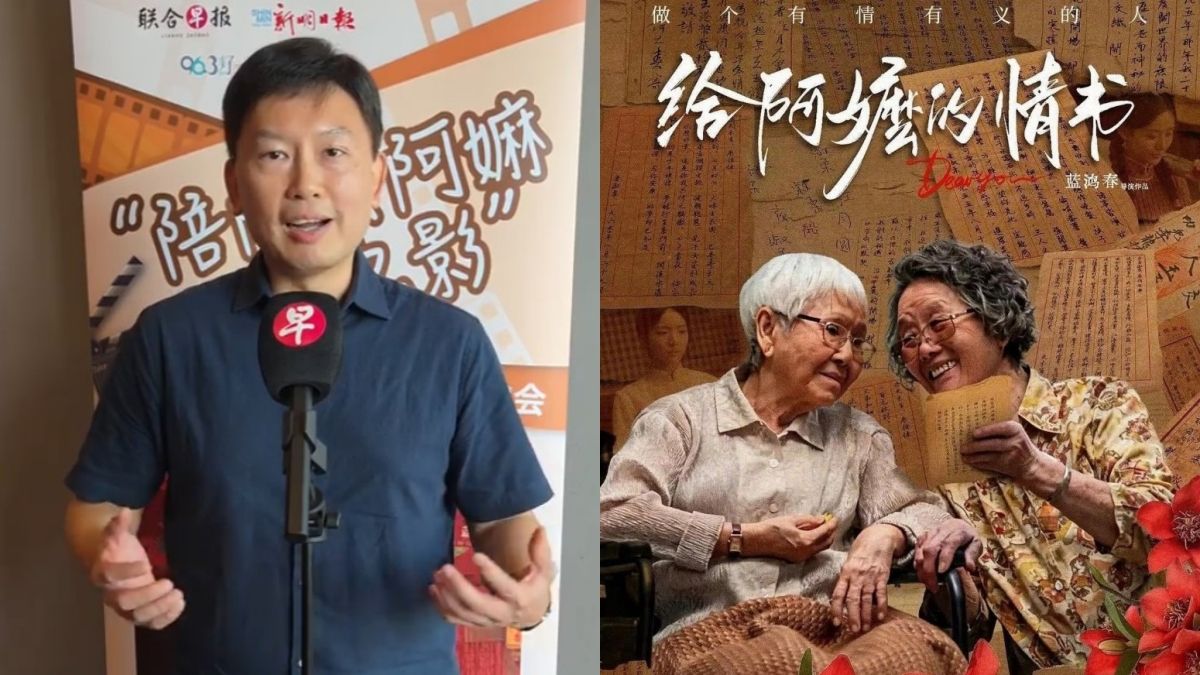
Both attended a Teochew screening organised by SPH Media's Chinese Media Group at Golden Village Waterway Point on 4 July.
During an interview with Lianhe Zaobao following the screening, Chee described the film as exceptionally well made and deeply moving.
He joked that he "didn't shed many tears", although several scenes still left him emotionally affected.
Netizens ask: Do other ministers have more free time?
Some commenters questioned whether Neo's remark unintentionally suggested his ministerial colleagues had more free time than he did.
One comment on 8World News' Facebook page asked: "Baey Yam Keng and Chee Hong Tat recently watched the original Teochew version. Are you implying they're very free?"
The same commenter added that authorities had already reserved 30 screenings for grassroots organisations and community events, saying more ministers would likely attend future screenings.
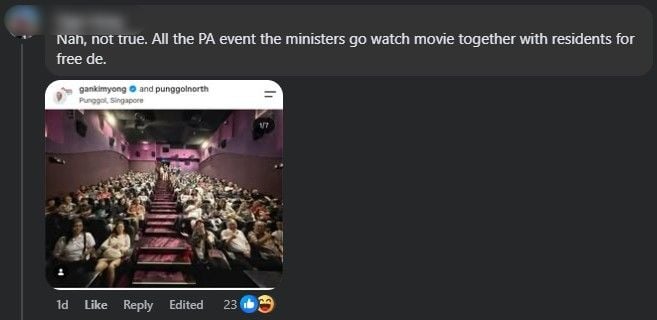
Another comment pointed out that Deputy Prime Minister Gan Kim Yong had, on a separate occasion, dropped by a People's Association community screening of Dream Stall, a film by home-grown filmmaker Annette Lee.
The comment said the visit showed that ministers do attend movie screenings with residents at community events.
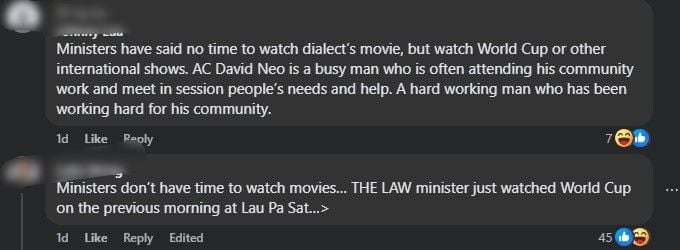
Others made similar comparisons, asking whether ministers had time to watch football despite saying they had no time to watch films.
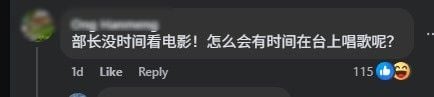
One comment on Lianhe Zaobao's Facebook page remarked: "Ministers have no time to watch movies! Then how do they have time to sing on stage?"

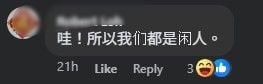
Another sarcastically asked whether Neo was implying that everyone else who watched the film was simply "too free".
Some commenters interpreted the remark as suggesting the Government did not consider the debate particularly important.

Others questioned whether Neo was attempting to project an image of working harder than others.

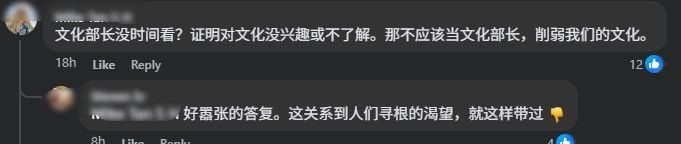
Another commenter argued the issue had evolved beyond entertainment, writing that the film represented public interest in reconnecting with cultural roots and should not have been brushed aside with a joke.
Others criticised what they described as a dismissive response to an issue they believed reflected broader public sentiment.
Crystal Lim-Lange says remark trivialised cultural identity debate
Local author Crystal Lim-Lange also criticised Neo's remark in an Instagram video.
She described it as "not a good joke", arguing that it failed to address an issue closely tied to cultural identity.
Lim-Lange said dialect and cultural heritage were "not just a policy thing, it's an identity thing" that shaped how Singaporeans connected with their roots.
She argued that a "throwaway joke" risked trivialising an emotionally sensitive issue and could appear "almost condescending".
Lim-Lange also questioned whether an Acting Culture Minister saying he had no time to watch films could create the impression that he was "out of touch with the popular culture".
She said Neo did not need to have watched the film personally, but should instead have acknowledged why the issue resonated with many Singaporeans before addressing the Government's policy position.
"Communication is all about connection," she said, adding that public leaders needed to remain "in sync" with the broader audience.
Reddit criticism questions minister's cultural engagement as films form part of culture
The exchange also generated discussion on Reddit, where many users criticised Neo's response.
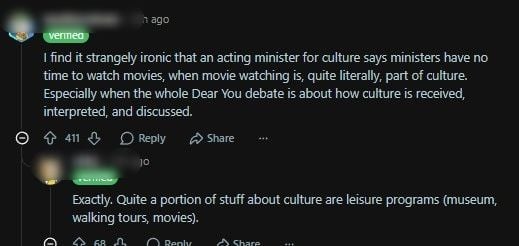
One commenter described it as "strangely ironic" that an Acting Culture Minister would say ministers had no time to watch movies, arguing that films were "quite literally, part of culture".
Others said cultural engagement extended beyond policymaking and included museums, walking tours and films.
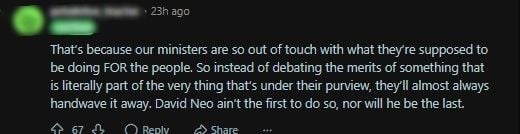
Several argued the remark reflected ministers being "out of touch" with issues falling within their own portfolios rather than engaging directly with the substance of Tiong's question.
One Reddit user wrote: "Being a Minister of Culture who has no time for movies, he has lost touch of the ground. No wonder even our local movies cannot survive."

Not all users shared that view.
One commenter argued that whether ministers personally had time to watch films was ultimately not important, provided they continued serving people who did.

Debate expands to Singapore's dialect policy
Beyond Neo's remark, many online discussions broadened into the wider issue of Singapore's long-standing dialect policies.
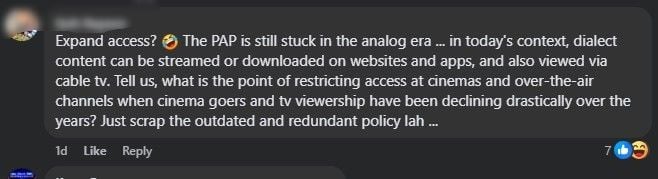
Some argued restrictions introduced during the Speak Mandarin Campaign had outlived their original purpose because most younger Chinese Singaporeans were already fluent in Mandarin.
They questioned why dialect-language films continued to require regulatory approval while productions in languages such as Korean and Japanese faced no comparable restrictions.

Others argued dialects remained closely connected to family heritage and identity, helping younger Singaporeans communicate with older relatives and preserve cultural traditions.
Suggestions included allowing more dialect-language films, expanding dialect programming on television and radio, and increasing dialect classes where genuine demand existed.
One commenter wrote that "Mandarin is the official language... but the local language is the heart emotions", while another urged the Government to preserve dialects before they disappeared altogether.
Some defend existing language policy
A smaller group defended Singapore's bilingual language policy, arguing that prioritising English and Mandarin had delivered significant economic and social benefits over several decades.
Some cautioned that any relaxation of dialect restrictions should not undermine the country's long-standing language objectives or broader social cohesion.
A minority of commenters viewed the parliamentary exchange more positively, describing Neo's remark as a light-hearted moment that made parliamentary debate more engaging.
Others said preserving dialects and maintaining Singapore's bilingual policy were not mutually exclusive, arguing that both objectives could be pursued at the same time.