PSP chief warns of 'deeper challenge' in Singapore's mainstream information system
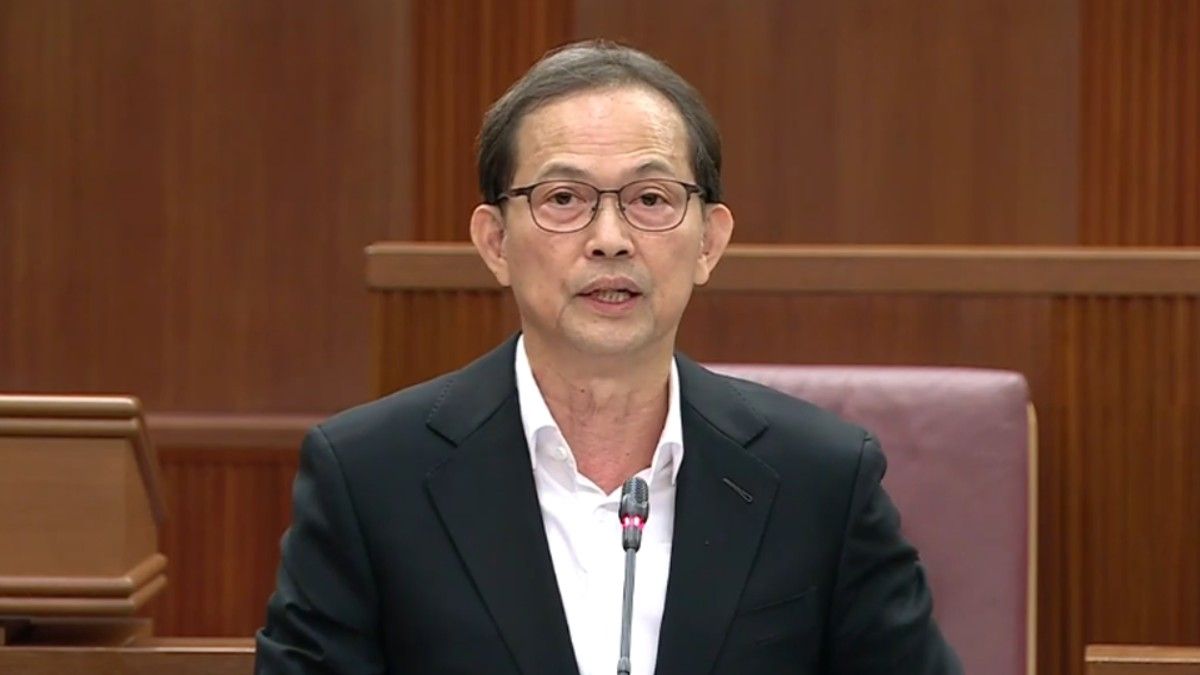
Progress Singapore Party Secretary-General Leong Mun Wai has agreed with Chief Justice Sundaresh Menon's warning about "truth decay" but argued the greater danger lies in Singapore's own mainstream information system becoming less trusted.
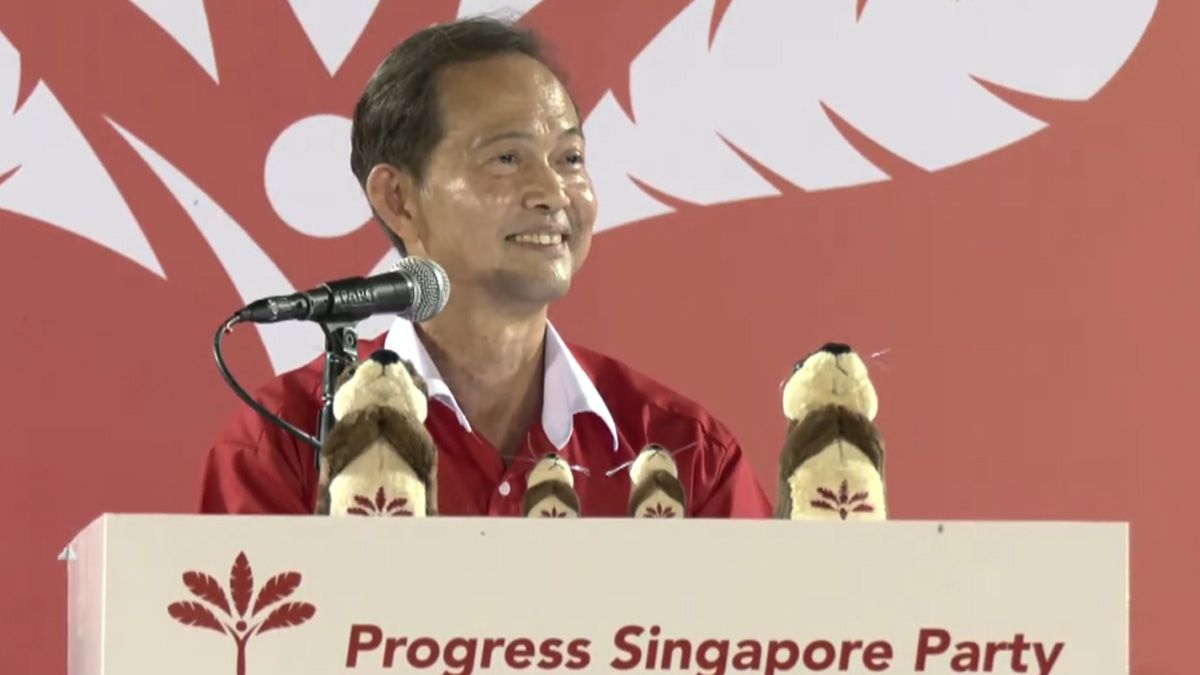
- Leong agrees social media accelerates truth decay but says the internet cannot be regulated away.
- He warns Singapore's mainstream information system is becoming too narrow and less trusted.
- Leong argues trust must be earned through transparency and openness, not authority alone.

Progress Singapore Party (PSP) Secretary-General Leong Mun Wai has endorsed Chief Justice Sundaresh Menon's concern about "truth decay" but argued that Singapore faces a more fundamental problem: a mainstream information system that he says is increasingly failing to meet the needs of citizens.
In a Facebook post published on Friday, 29 May 2026, Leong shared a CNA report of the Chief Justice's remarks and offered a pointed response, framing the issue as one that goes beyond social media behaviour.
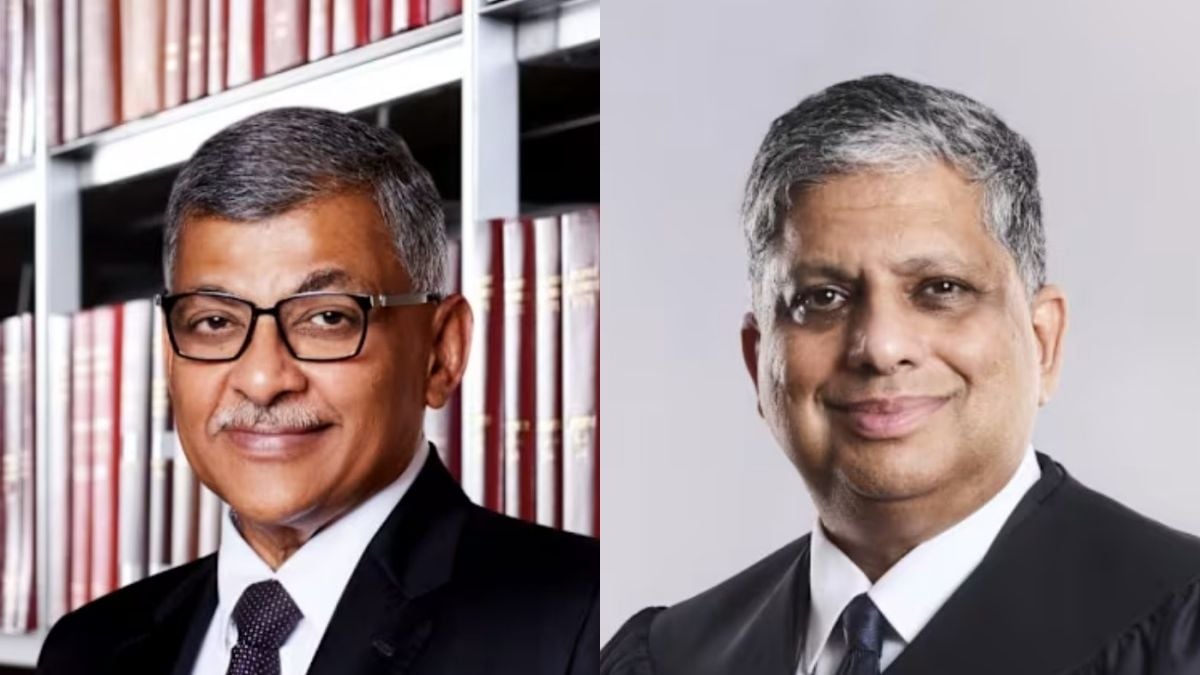
Chief Justice Menon had spoken at a wide-ranging media interview at the Supreme Court on Friday, 22 May 2026, warning that social media now allows anyone with mass reach to "propose the viewpoint that you think is true," contributing to a long-term erosion of public trust in objective fact.
Leong said he agreed with that concern. "The internet and social media have undeniably made it easier for polarised views, misinformation, and outright falsehoods to spread quickly," he wrote.
However, he argued that attempting to contain the problem through restriction would be futile.
"The information revolution is inevitable. The internet cannot be undone. Social media cannot simply be regulated away. AI will make this flood of information even bigger," he wrote.
"The real question is therefore not whether different views and information can be stopped. They cannot."
Singapore's mainstream information system under scrutiny
Leong's central argument was that the focus on social media misinformation obscures a more pressing structural issue within Singapore itself.
"The problem is not just misinformation on social media. The bigger issue is that Singapore's mainstream information system is becoming less able to meet the needs of a more complex society," he wrote.
He argued that too often, major national issues are presented in what he described as "carefully curated forms," with alternative analyses and opposing views left limited. Public debate, he wrote, "sometimes feels less like a real national conversation and more like one-way communication."
As a result, he said, many Singaporeans are increasingly turning to foreign media, independent platforms, anonymous social media accounts, and online personalities for information — sources he acknowledged vary widely in reliability.
"Some of these sources are responsible. Some are not. But this shift did not happen by accident," he wrote.
Leong argued that when mainstream discussion becomes too narrow, citizens naturally seek information elsewhere to fill the gaps. He said this dynamic could ironically worsen the very truth decay that Chief Justice Menon had described.
Building trust through openness, not control
Leong said the solution lay not in restricting information but in strengthening the credibility of institutions.
"In any healthy society, mainstream institutions must remain trusted enough for citizens to treat them as reliable sources amidst the noise," he wrote.
He added that critical thinking is not developed by shielding citizens from opposing views, but through "regular exposure to serious debate, transparent information, and different analyses."
On the question of institutional trust, Leong was direct: "Trust cannot simply be demanded. It must be earned through openness, transparency, credibility, and a willingness to face scrutiny honestly."
He concluded by suggesting that in an era of artificial intelligence and unlimited information access, trust itself could become Singapore's most valuable national asset.
"Strong societies are not built on controlling information alone. They are built on confident citizens who can think critically because they have been exposed to robust debate and different viewpoints throughout their lives," he wrote.
"Trust cannot survive on authority alone," he added.
Chief Justice Menon's remarks were made at a two-hour media interview marking the judiciary's bicentennial milestone, which commemorates 200 years since the Second Charter of Justice 1826 established the modern legal and judicial system in Singapore.
During the interview, the Chief Justice cited fragmentation of media audiences and the growth of echo chambers in the United States as examples of how shared notions of objective truth can break down when common information spaces erode.