PSP chief calls for frank discussion of sensitive issues, warns against conflate legitimate concerns with racial prejudice
Progress Singapore Party Secretary-General Leong Mun Wai has urged Singaporeans to maintain open discussions on political, economic and social issues while warning against equating legitimate concerns with racial prejudice.
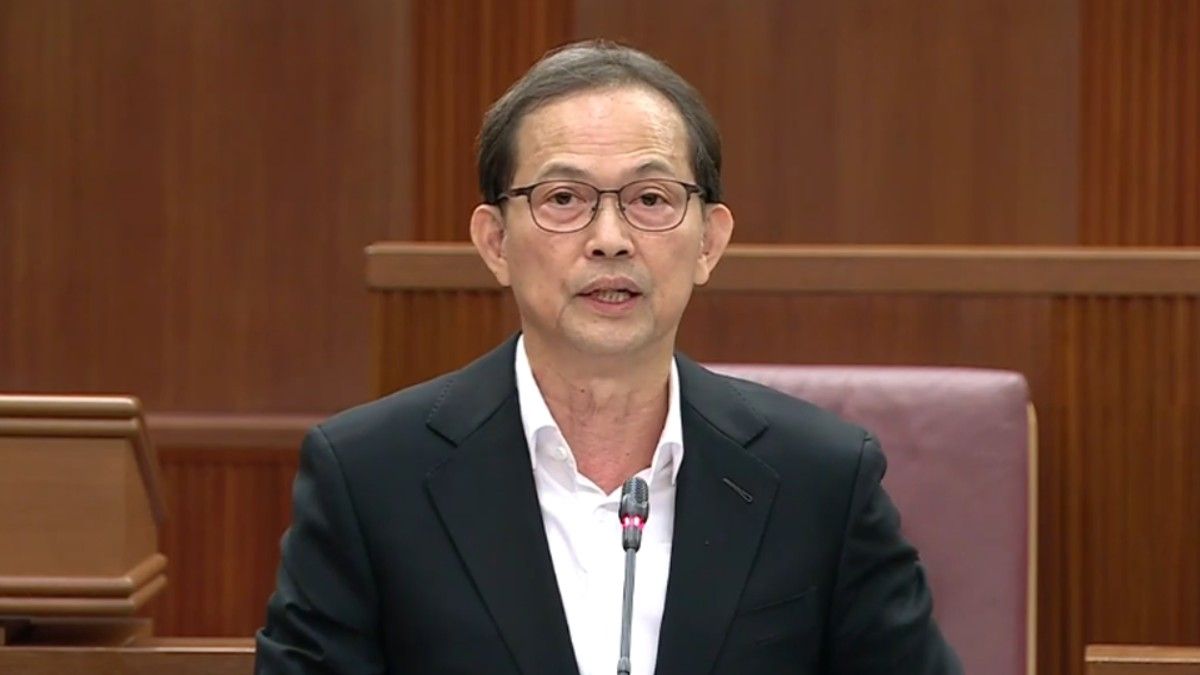
- Leong Mun Wai said sensitive political and economic issues should remain open for discussion.
- He warned against confusing legitimate concerns with racism or xenophobia.
- He cited foreign talent and language policy debates as examples needing transparency.

Progress Singapore Party (PSP) Secretary-General Leong Mun Wai has called for continued openness in discussing sensitive political, economic and social issues, arguing that legitimate public concerns should not be conflated with racial prejudice.
In a Facebook post on 26 June 2026, Leong said Singapore’s multiracial and multicultural character required both a rejection of racism and the preservation of space for honest debate.
“Precisely because we are a multi-racial society, we must be careful not to conflate legitimate concerns with racial prejudice,” he said.
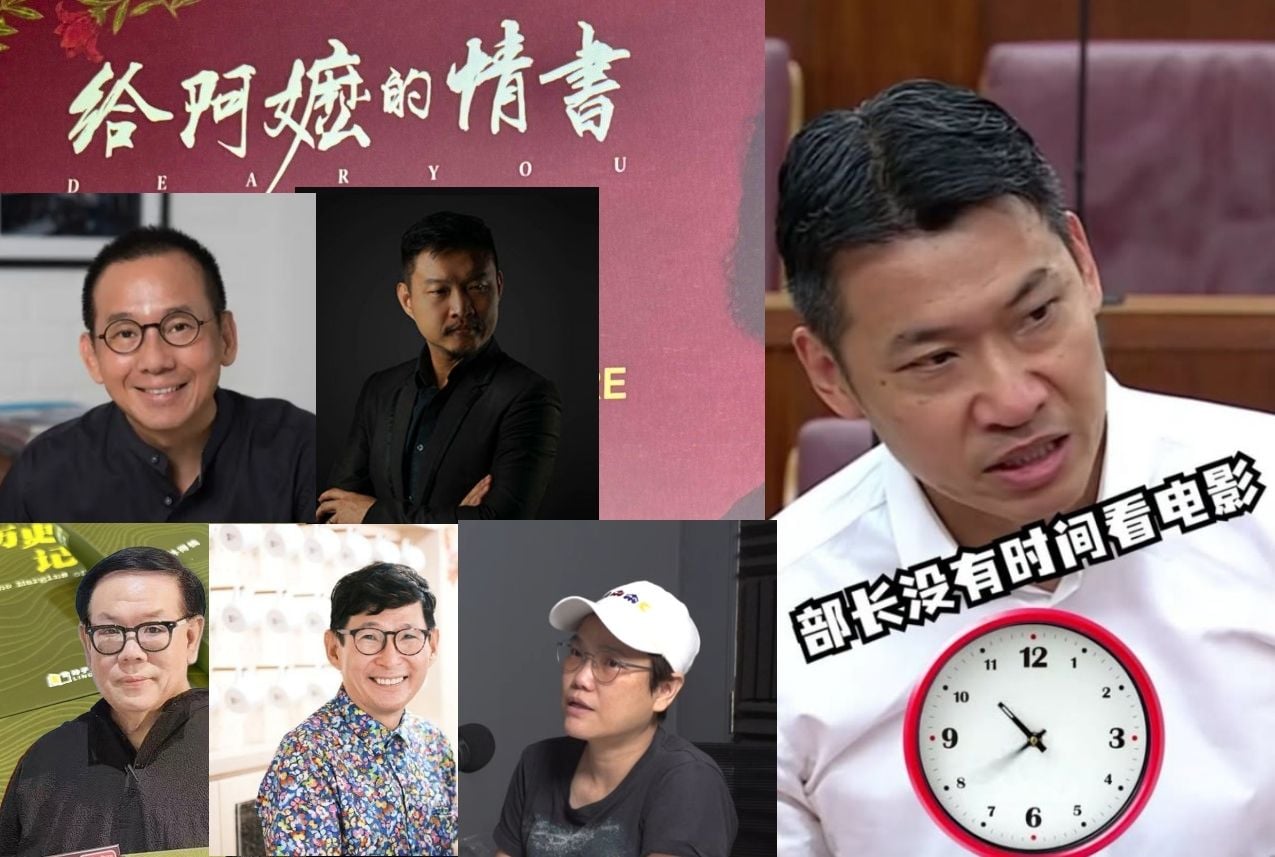
Leong was responding to recent remarks by Workers’ Party chief Pritam Singh, who reflected on several major areas of public discussion in Singapore, including the long-running debate over foreign talent policies, anti-Indian content removed by the Government from social media platforms, and controversy surrounding the Teochew-dialect film Dear You.
Open debate needed on sensitive issues
Leong said political, economic and social issues must remain open for discussion even when they involve sensitive topics.
“The fact that some irresponsible individuals may misuse an issue to promote prejudice does not mean the issue itself should become off-limits,” he said.
He argued that the appropriate response to controversial issues was not reduced discussion, but greater transparency, more information and wider public engagement.
“When there is a gap between official narratives and the lived experiences of citizens, unanswered questions can fuel speculation, misinformation and even prejudice,” Leong said.
He added that responsible political leaders should address legitimate concerns directly rather than allowing public discussions to become dominated by prejudicial remarks made by individuals.
Foreign talent debate and economic concerns
Leong highlighted the debate over foreign talent policies and certain free trade agreements as an example of an issue where economic concerns should be considered separately from racial prejudice.
The PSP initiated a parliamentary debate on foreign talent policies in 2021 after concerns were raised among Singaporeans about job security, career progression and opportunities in the domestic workforce.
Leong said these concerns were based on economic issues rather than race.
“Many Singaporeans felt that their lived experiences did not fully align with the official narrative that foreign talent primarily complements local workers and creates more opportunities for Singaporeans,” he said.
He argued that limited access to detailed and timely data contributed to uncertainty and speculation surrounding foreign talent policies.
According to Leong, while some claims circulating online were unfair or racially motivated, other concerns reflected genuine questions that required proper examination.
He noted that the Government released employment data shortly before the PSP parliamentary debate, saying earlier disclosure of information could have helped address misconceptions surrounding the impact of specific free trade agreements.
Leong also said the released data supported concerns about the concentration of work pass holders from particular nationalities in some sectors and companies.
He pointed to the introduction of the Complementarity Assessment Framework (COMPASS) in 2022 as evidence that workforce diversity had become a policy consideration.
One COMPASS criterion encourages workforce diversity and seeks to discourage excessive concentration of any single foreign nationality within companies.
Leong said concern over labour market outcomes should not be interpreted as hostility towards foreigners.
“Singapore can remain open to global talent while ensuring that Singaporeans receive fair opportunities and are not disadvantaged in their own economy,” he said.
CECA debate and Pritam Singh’s remarks
Singh had earlier addressed similar themes in a Facebook post on 17 June 2026, revisiting earlier parliamentary debates on the India–Singapore free trade agreement (CECA).
Singh said “genuine economic concerns exist” and that Singaporeans should be able to raise these concerns.
At the same time, he reiterated the Workers’ Party position that it “abhors and denounces” racism and xenophobia linked to public discussions.
He warned against “loose and vile language online” that could move beyond online spaces and contribute to real-world harm.
Singh said debates about jobs, immigration and foreign talent should continue, but should never be framed as attacks against any racial community.
He also cited the principle that people should see themselves as “a Singaporean first”, regardless of ancestry or ethnicity.
Anti-Indian online content and foreign influence concerns
Singh also referred to recent Government action requiring the removal of social media posts targeting the Indian community in Singapore, including content connected to anti-CECA sentiment.
He highlighted commentary in Lianhe Zaobao suggesting that some narratives may not have developed organically but could have been amplified through coordinated online activity.
The commentary referred to reused footage and what was described as “cheapfake” content.
Singh warned Singaporeans against becoming “a pawn on someone else’s multi-dimensional chessboard”, saying external actors should not exploit domestic social issues.
However, he maintained that concerns about employment, immigration and demographic trends remained issues that Singaporeans should be able to discuss openly.
Cultural identity debate surrounding Dear You
Leong also addressed the recent discussion surrounding Dear You that prompted wider debate about language policy and cultural heritage in Singapore.
He said the controversy had raised questions about the country’s long-standing Mandarin-speaking policy and the role of Chinese dialects in society.
Leong said the strong demand for tickets showed that many Singaporeans were interested in preserving and reconnecting with their dialect heritage.
He added that this interest was not limited to older generations.
“Many younger Singaporeans may also find it cool to know and speak some dialect,” he said.
Leong cited his own family experience, saying his children were no longer fluent in Cantonese but enjoyed knowing some Cantonese because it helped them appreciate Cantopop and understand Cantonese jokes.
He said whether Singapore should relax aspects of its Mandarin-speaking policy was a legitimate public policy question that deserved open discussion.
Singh had similarly highlighted interpretations surrounding Dear You, including views linking online hostility to wider cultural and identity narratives.
He said identity discussions in Singapore should be framed around being Singaporean first, followed by ancestral heritage.
Singh added that this principle should apply equally across communities, including Indian, Filipino and other Singaporeans.
Rejecting prejudice while maintaining discussion
Leong acknowledged that some racially charged comments had appeared online in relation to reporting about Dear You in Singapore and China.
He said such comments should be rejected.
However, he argued that the actions of a small number of irresponsible individuals should not distract from broader policy questions.
“The best response is not less discussion, but more transparency, more information and more open debate,” Leong said.
He maintained that Singapore could reject racism and foreign interference while still allowing citizens to raise concerns about economic conditions, immigration policies, cultural issues and social change.