Will Israel blow it up? The deal that gives Israel nothing it went to war for is done — and Israel says it is not bound
A US-Iran agreement reopening the Strait of Hormuz and ending the war has reportedly been reached. It achieves none of the aims Israel set in February. Israel says it is not a party to it, has bombed Beirut on what was to be signing day, and its leadership has convened its security chiefs. The question is whether it strikes again to unravel what it could not prevent.

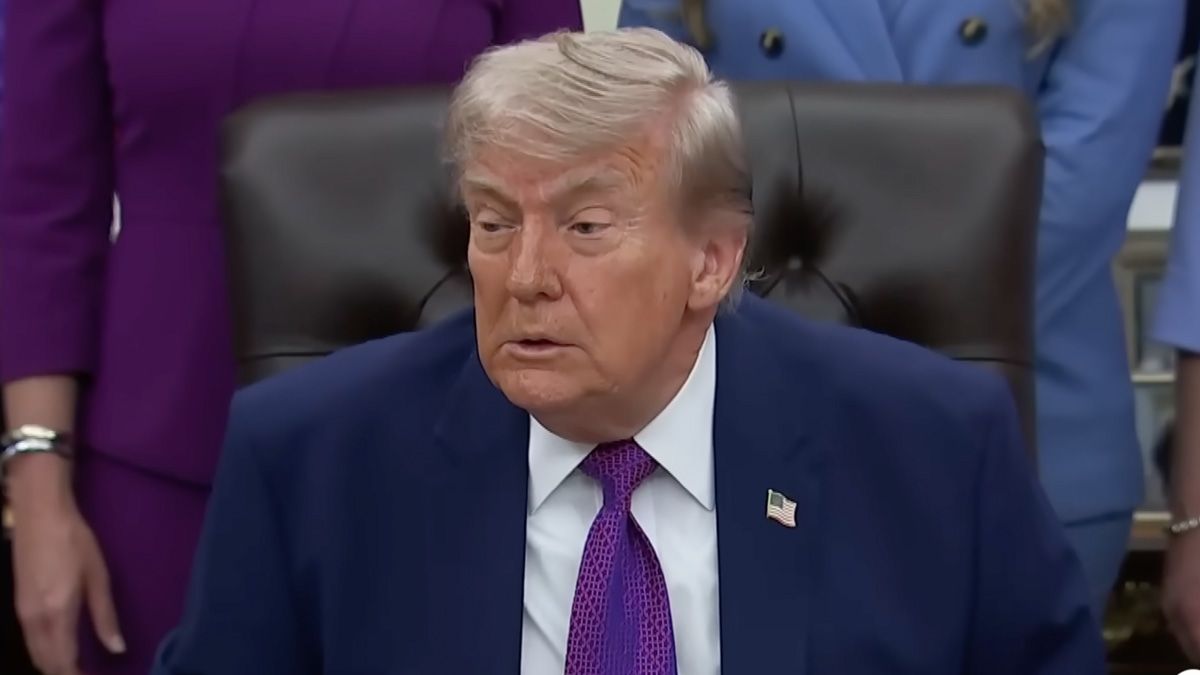
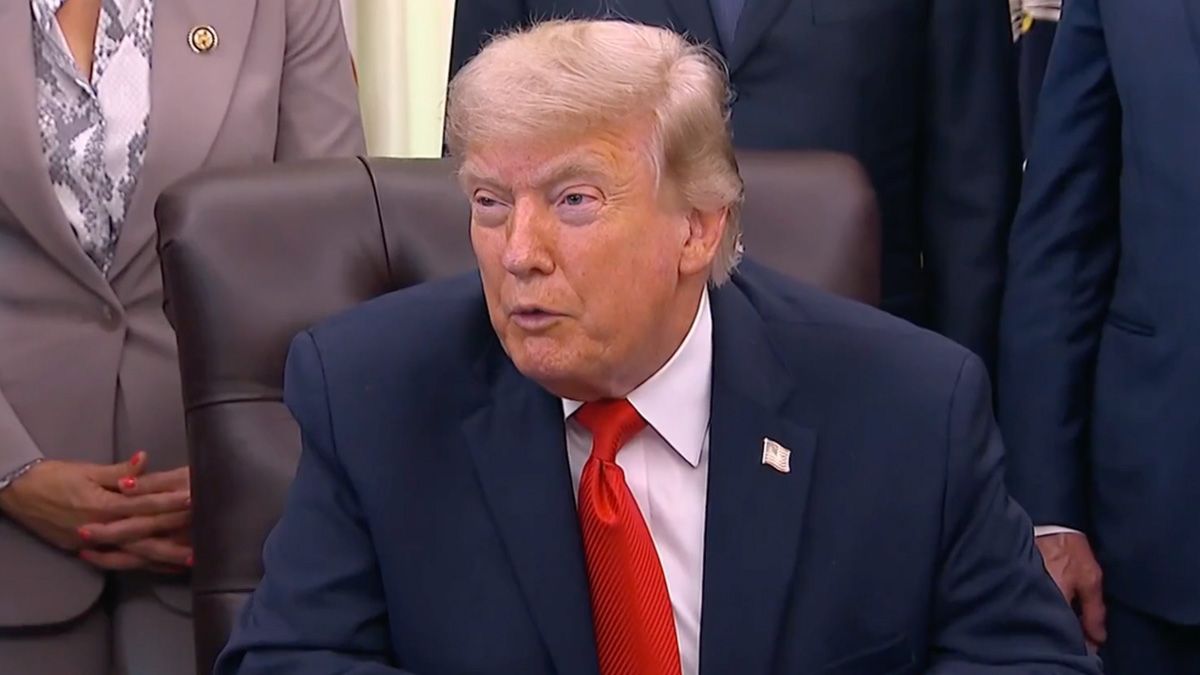
The war the United States and Israel began against Iran on 28 February is, by Washington's account, about to end. President Donald Trump says the agreement is complete: the Strait of Hormuz reopens toll-free, the naval blockade lifts, and oil flows again. He has called it a settlement that succeeded where his predecessors failed.
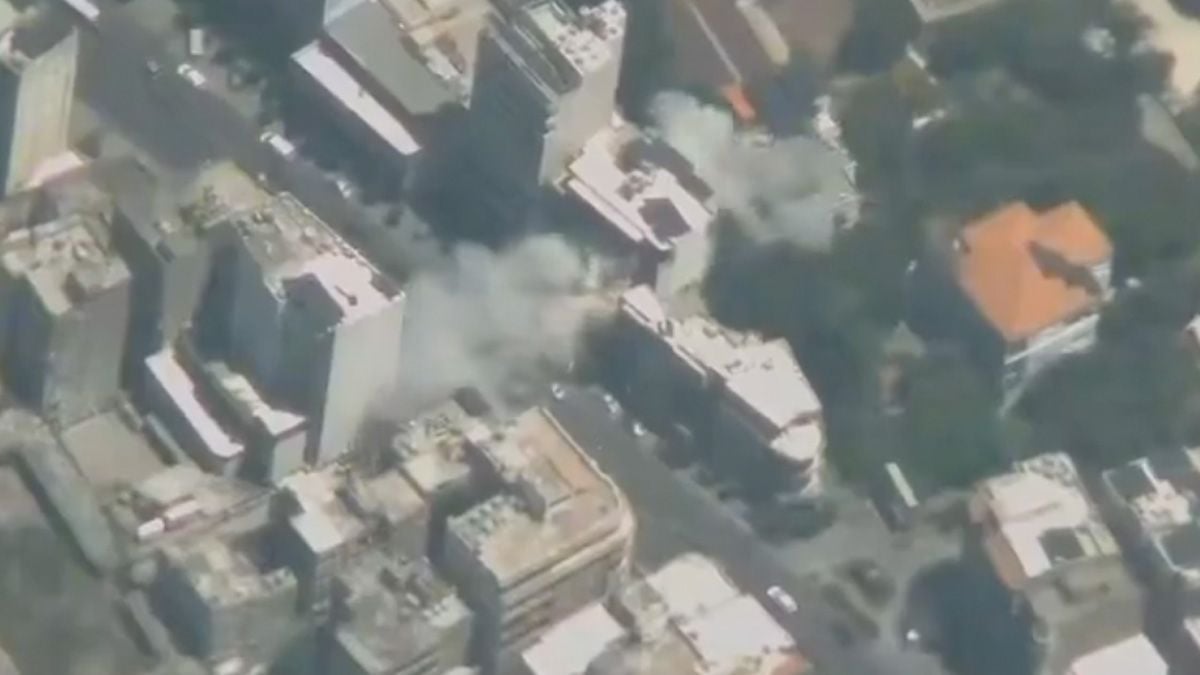
One government has conspicuously declined to celebrate. Netanyahu's office stated that Israel "was not a party" to any memorandum of understanding with Iran. On 14 June, the day the deal was variously reported to be signed, Israel bombed Beirut's southern suburbs, killing three. As the nuclear track moved toward a meeting in Geneva, Netanyahu convened Defence Minister Israel Katz, the IDF chief of staff, and the Mossad director.
The question that has run through this conflict since April therefore returns in its sharpest form: Not whether the deal can be signed—Trump has the leverage, and Iran has shown it will swallow provocation to reach it. The question is whether Israel, having got nothing it went to war for and having declared itself unbound, will strike again to collapse what it could not prevent.
The Deal That Delivers Israel Nothing
To see why the question is live, set the agreement against the initial war aims. According to the Council on Foreign Relations, the US and Israel launched the 28 February assault to achieve three massive goals:
-
To topple the Iranian regime
-
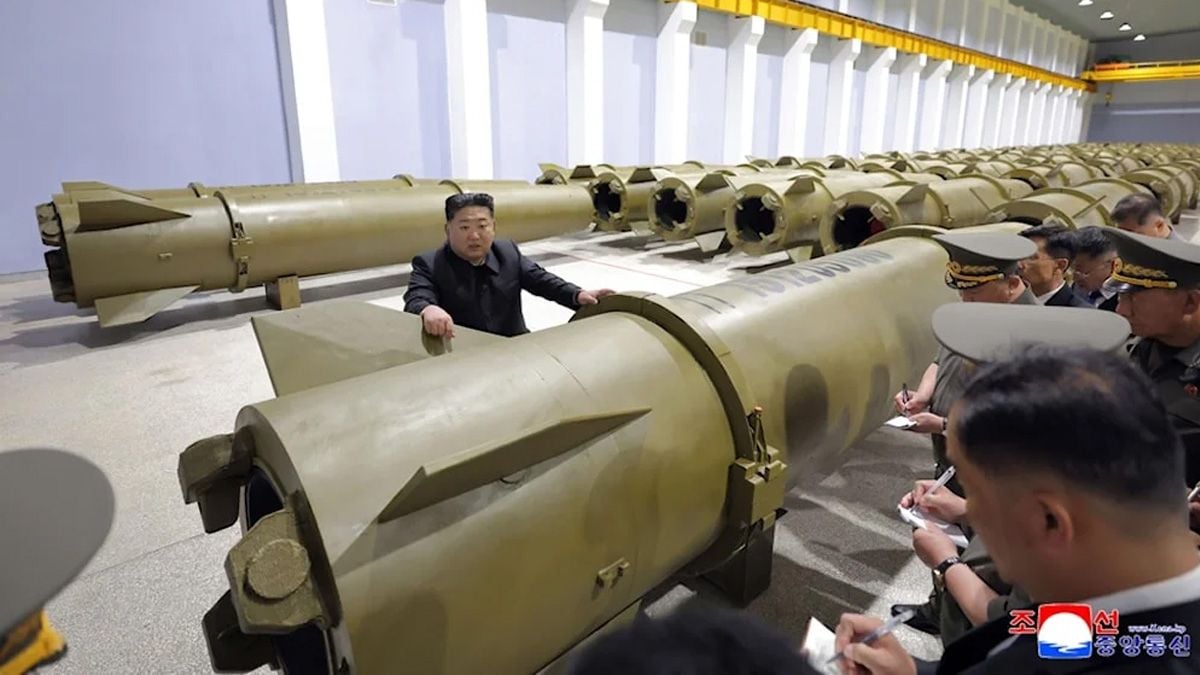
To eliminate Iran's nuclear and missile programmes
-
To destroy its navy
Netanyahu set out two consistent objectives throughout: ending Iran's nuclear programme, and regime change in Tehran. The agreement delivers neither.
The regime survived the decapitation strike that killed supreme leader Ali Khamenei and now negotiates under his son, Mojtaba Khamenei. Furthermore, Iran's enriched uranium stays inside the country; its disposal has been pushed into a second, 60-day negotiation that Iran has conditioned on the US ending the blockade, halting military operations, and releasing frozen funds.
The Associated Press, reporting the Beirut strike, stated plainly that the deal in its current form is a deep disappointment to Israel's government. For a prime minister who launched the war on those aims and faces an election within months, the deal formalises the public non-achievement of his own war.
He restated his position on 12 June, posting on X that as long as he is prime minister, Iran will not possess a nuclear weapon—a claim he has made, in varying forms, since warning the Knesset in 1992 that Iran was "three to five years" from a bomb. Each deadline has passed. Katz has said Israel retains the ability to act independently against Iran's nuclear programme. In March, Reuters reported Netanyahu issued a veiled threat to kill Mojtaba Khamenei, the man now leading Iran's side of the talks.
The Case That Israel Will Break It
The evidence that Israel may move to unravel the deal is not speculative; it is a pattern.
On 8 April, hours after the regional ceasefire took hold and Lebanon's prime minister welcomed it, Israel launched the deadliest day of the war, an operation it named Eternal Darkness, killing more than 350 people in Lebanon.
On 1 June, Trump telephoned Netanyahu to stop a planned Beirut strike that had prompted Iran to threaten walking away; Netanyahu conceded only Beirut and reserved the rest. Two weeks later, on 14 June, he bombed Beirut anyway, on what was meant to be signing day. Each strike followed the same logic: a moment of diplomatic progress over Lebanon, followed by an Israeli escalation that threatened to collapse it.
Israel is not a party to the negotiations, its leaders have said they will not withdraw from Lebanon, and the cumulative toll is staggering. According to Lebanon's health ministry on 13 June, at least 3,756 have been killed and 11,632 injured since March, with more than a million displaced. Defence Minister Katz has stated flatly that there is no ceasefire in Lebanon.
Now add the potential openings for disruption:
-
The Signing Window: There is a fragile window between now and the formal signing. Turkey's president, welcoming the deal, warned specifically against "possible sabotage before the signatures are formally affixed."
-
The 60-Day Nuclear Track: A US source said this negotiation could collapse before the Geneva meeting even convenes if the strategic gaps remain large.
-
The Israeli Assessment: There is a standing Israeli assessment, reported in domestic media, that the chance of a deal holding is low and the likelihood of a renewed US strike is high.
Each of these represents a friction point where a single incident on the Blue Line, or one strike too far, ends the framework regardless of what any document says.
The Case That It May Not
Honesty requires looking at the other side of the ledger, because it is not empty. Israel has now tried to push the envelope and been systematically overridden.
The 14 June Beirut strike was precisely the move that should have detonated the deal—and it did not. Iran gave assurances, through Qatari mediators who spent seventeen hours in Tehran, that it would not retaliate and would proceed to sign. Trump expressed "strong displeasure" to Netanyahu, called him "a very difficult guy," and said Israel should be grateful. On 1 June, he had already steamrolled him.
The pattern of the past fortnight is not only Israeli escalation; it is also a US president repeatedly forcing Israel to stand down, and an Iran willing to absorb blows to reach the exit.
Trump's own cabinet is holding the line behind the deal, selling it publicly. The dissent within his coalition comes primarily from outside the administration—such as pro-Israel commentator Mark Levin, who has called Trump "deeply desperate" for a deal and accused him of bashing an ally. That is noise around the policy, not a crack within it.
So the restraint case is real: Israel may calculate that another strike spends what little credit it has left with a patron who has shown he will override it, all for a deal that is happening regardless.
What the Question is Really Asking
But weigh the two, and the balance tilts.
The restraint case rests on Israel accepting a settlement its own government calls a deep disappointment—one that delivers nothing it fought for, brokered by a patron who excluded and scolded it, while its prime minister fights for political survival on a promise the deal breaks. The disruption case, conversely, rests only on Israel continuing to do exactly what it has done at every prior juncture.
This is why the framing of "will Israel blow it up" is not really a question about intent on a given morning. It is structural. A war begun from rational objectives ends when those objectives are met, abandoned, or traded. This deal meets none of Israel's. Instead, it leaves intact every single interest that drove the war in the first place:
-
A regime Israel wanted gone
-
A nuclear programme it wanted destroyed
-
A Hezbollah it wants eliminated
-
A prime minister for whom the fighting's continuation is political oxygen
A signature on the Islamabad memorandum changes the paper; it does not change any of that reality. The deal can be signed in Geneva and remain a dead letter in southern Lebanon, because the one front that collapses it is the one Israel will not stop, has declared itself free to continue, and has just demonstrated, on signing day, that it will.
The honest answer to the question, then, is that the deal's survival does not depend on whether it is signed. It depends on a party that has explicitly told the world it is not bound by it. That is not a foundation for peace. It is a countdown.