Pritam Singh links CECA debate to anti-Indian posts and 'Dear You' film controversy
Workers' Party chief Pritam Singh has published a reflection connecting Singapore's CECA debate, recently blocked anti-Indian social media posts originating from China, and the controversy over the Teochew film Dear You, urging honest conversations on jobs that never target any racial group.
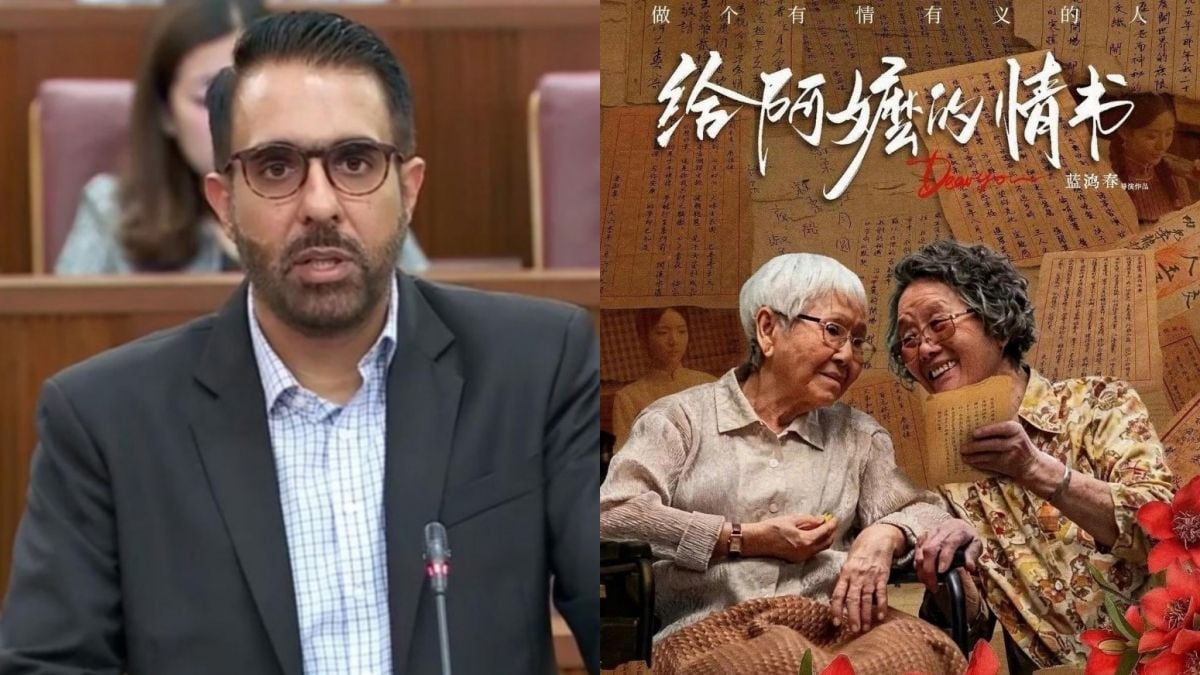
- Pritam Singh links the CECA debate, China-origin anti-Indian posts and the Dear You film controversy in one reflection.
- He reaffirms that economic concerns are legitimate but racism and xenophobia must be rejected.
- He endorses a "Singaporean first" identity hierarchy applying equally to all ethnic communities.

SINGAPORE: Workers' Party (WP) secretary-general Pritam Singh has published a public reflection drawing together three threads of recent Singapore discourse: the debate over the India-Singapore free trade agreement known as CECA, anti-Indian social media posts that the Government ordered removed, and the controversy surrounding a Teochew-dialect film from China.
In the reflection, posted on Wednesday, Pritam Singh revisited a speech he delivered in Parliament around five years ago during a debate on foreign talent and CECA.
He quoted his own earlier words, in which he stated that the Workers' Party accepts genuine economic concerns exist and that it is fair for Singaporeans to raise them.
In the same passage, he said the party abhors and denounces the racism and xenophobia that had become part of the public narrative in some quarters.
He noted that some people had resorted to loose and vile language online as an outlet for frustration, behaviour they would not display in person, and in some cases extended it into the real world. This, he said, can never be right.
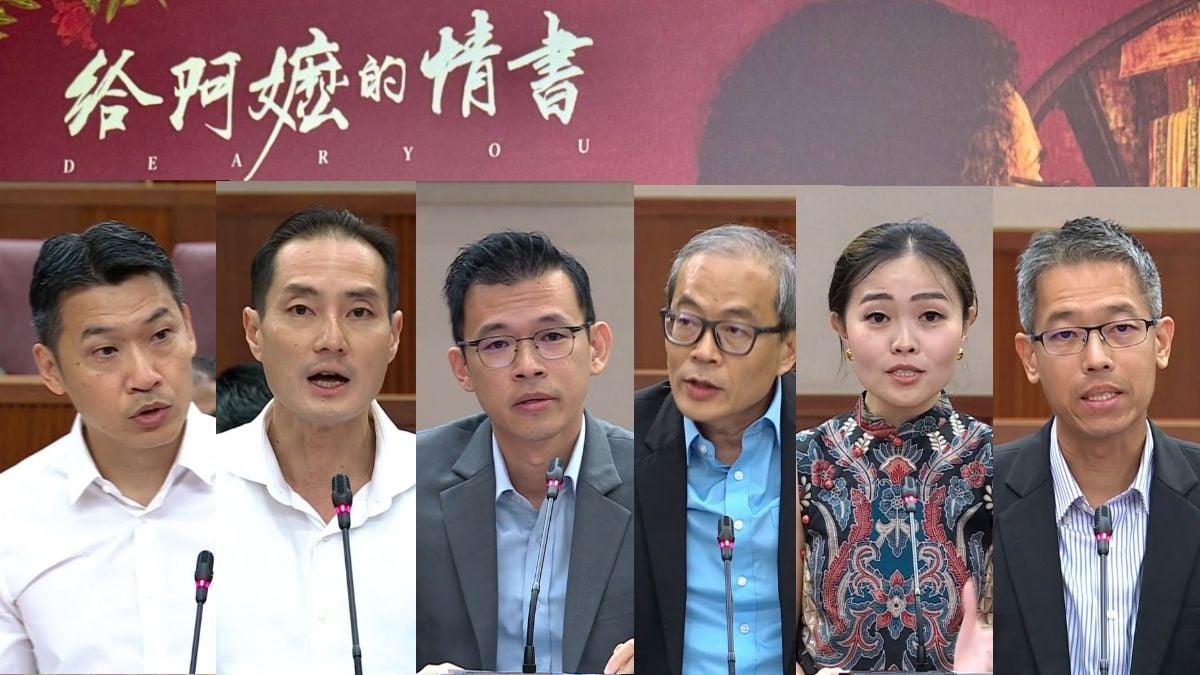
The original parliamentary debate was precipitated by a motion filed by the Progress Singapore Party (PSP). A number of Workers' Party MPs spoke on the issue, and Pritam Singh said many of the points raised then remain relevant today.
He then turned to more recent events.
Some weeks ago, he wrote, anti-Indian and "anti-CECA" sentiment prompted the Government to direct social media companies to remove offending posts that originated from China and targeted the Indian community in Singapore.
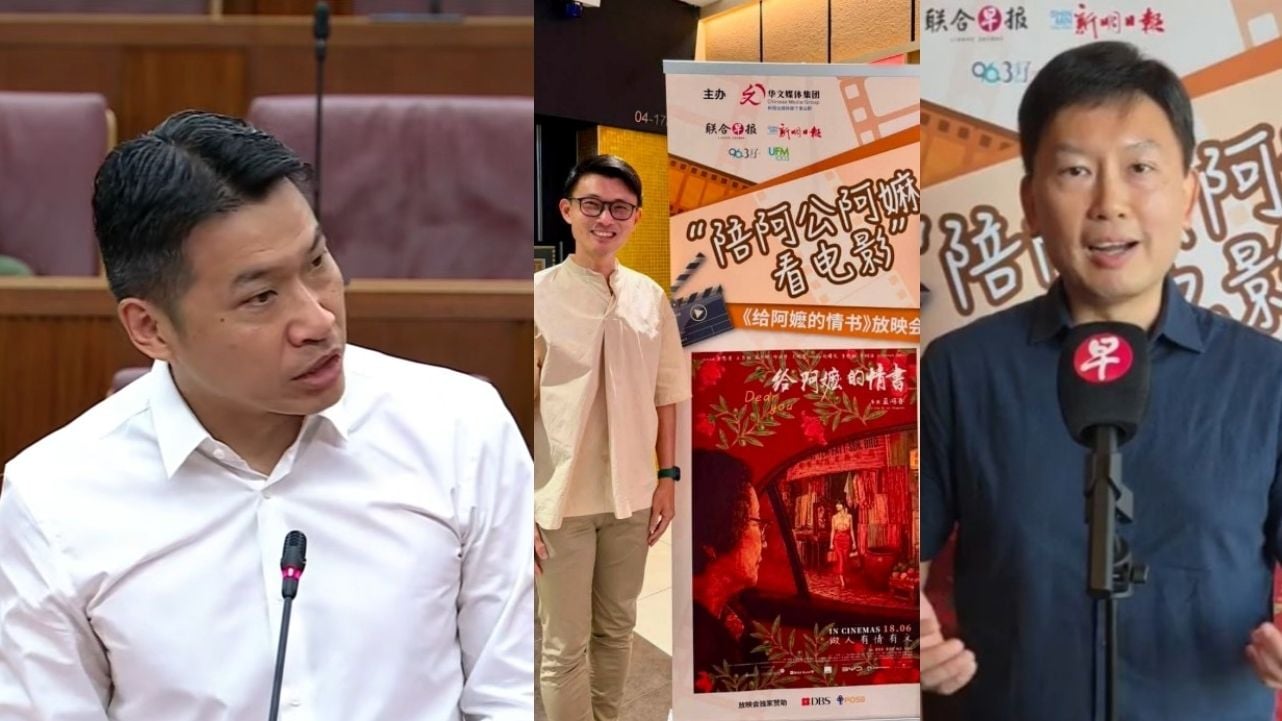
He gave additional weight to coverage by Lianhe Zaobao (LHZB), Singapore's main Chinese-language broadsheet, which is also widely read in China.
According to the reflection, LHZB carried articles suggesting that the anti-Indian posts did not arise spontaneously.
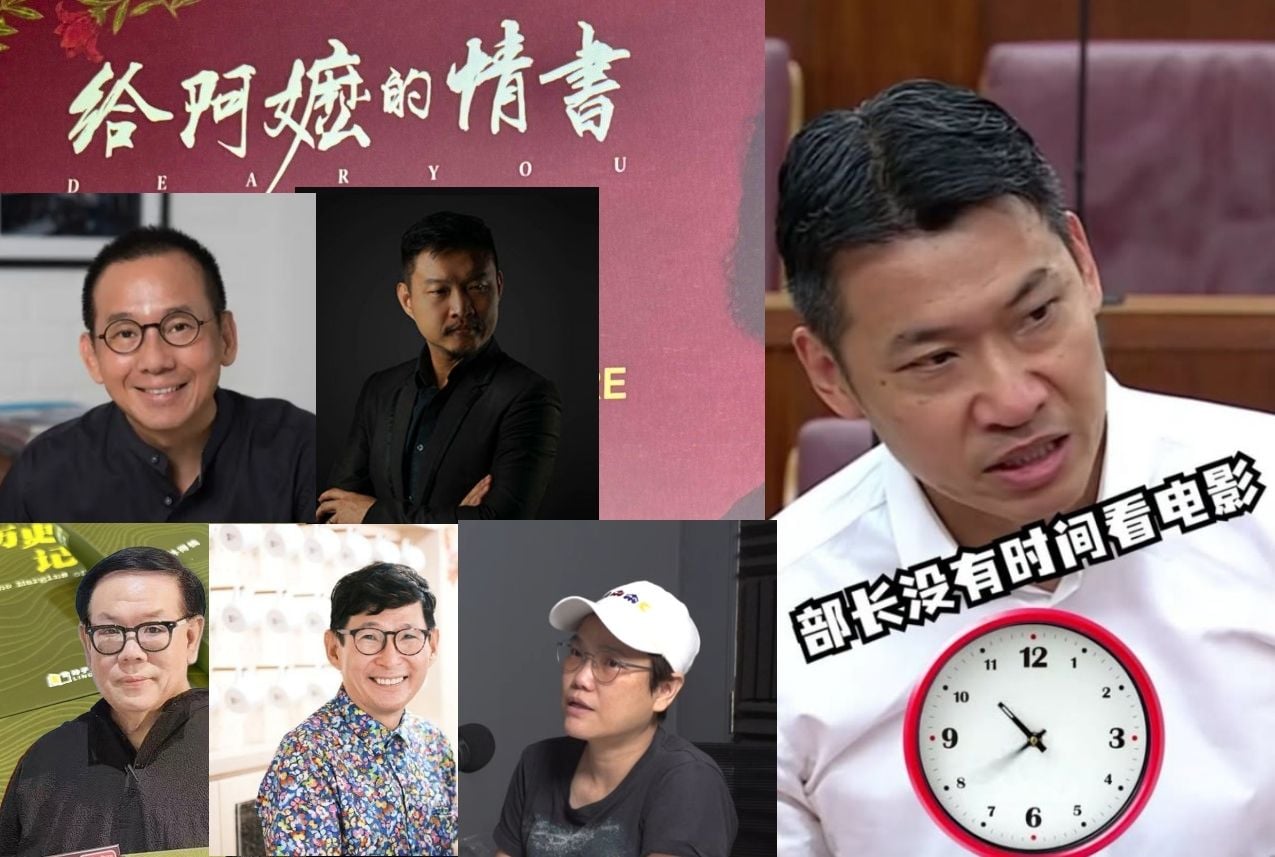
One LHZB writer linked them to what was described as a propaganda campaign mounted on the back of the emotive Teochew blockbuster Dear You.
The film, directed by Lan Hongchun, is the final instalment of a Teochew-dialect family trilogy and became a box-office success in mainland China. Its narrative thread is qiaopi, the combined money remittances and handwritten letters that overseas Chinese workers once sent home, often taking one to two months to travel each way.
An LHZB deputy editor-in-chief, Han Yong May, wrote that within 48 hours of a 21 May column on the film, attacks on the paper and on Singapore's system of governance surged across social media platforms.
That account described a two-stage narrative: first manufacturing cultural anxiety over the alleged suppression of Chinese culture in Singapore, then inciting racial tension by claiming the country was becoming increasingly "Indian".
According to the same account, inflammatory videos reused footage filmed between 2022 and 2024 of crowds at Indian festivals, a technique it characterised as a "cheapfake" produced cheaply at scale. It said the content showed indicators of foreign influence rather than spontaneous public sentiment.
The account also stated that on 6 June, the Singapore Police Force invoked the Online Criminal Harms Act to block 14 posts, though similar videos continued to circulate.
Reflecting on these developments, Pritam Singh wrote that a Singaporean in a multiracial society can feel like a pawn on someone else's multi-dimensional chessboard.
He observed that what is a heartfelt and culturally emotive film from one perspective can be read as a cognitive warfare campaign by those in a society defined not through a majority race but through many races.
To make sense of the matter, he quoted LHZB approvingly. The cited passage stated that the hierarchy of identity is unmistakable: a Singaporean first, then a Chinese Singaporean with ancestral roots in Fujian, with the connection to China described as one of ancestral heritage rather than patriotic allegiance.
Pritam Singh said the same approach must apply equally to an Indian Singaporean, a Filipino Singaporean, a Myanmese Singaporean, a Vietnamese Singaporean or a Pakistani Singaporean, regardless of country of birth or ethnicity.
He said he did not believe LHZB sought to do more than advocate for a multiracial Singapore focused on its own nation-building agenda, an endeavour he described as one that must be defined and driven by Singaporeans.
While the prospect of foreign influence should never be ignored or minimised, he wrote, Singapore must continue to have honest conversations about job insecurity, the Total Fertility Rate, immigration and foreign talent.
Such conversations, he added, must never be framed or defined to target any racial group, even as Singaporeans remain aware of those who may try to do so or who underestimate how such efforts can erode a shared sense of being Singaporean first.
The reflection drew extensive public response. A recurring theme was the insistence that criticism of CECA is distinct from racism. Several commenters said their concerns centred on jobs, fairness and the conduct of the free trade agreement rather than on local Indian Singaporeans, with one writing that local Indians were "our real brother and sister".
One commenter argued that resident Indians make up about 7 per cent of the population and non-resident Indians around 3 per cent, questioning why other foreign groups did not attract comparable scrutiny and suggesting open discussion was preferable to mere tolerance.
Another set of comments scrutinised the enforcement itself. One commenter posed a series of questions about whether the offending posts had been verified as coming from China rather than merely posted on a China-based platform, whether the state or individuals were responsible, and why posts targeting the Chinese community had not drawn similar police action.
Several commenters disputed the framing of Dear You as United Front propaganda, characterising it as an unremarkable low-budget success that had been read into. One argued the film's reception said nothing about the political loyalties of Singaporean audiences, drawing a comparison with locally produced wartime dramas.
A number of commenters returned to the theme of identity. One distinguished between nationality and ancestry, comparing the relationship to that between a person's marriage and their blood family. Others called for national service to be treated as the threshold for accepting foreigners, and for a "Singaporean first" framing to take precedence over racial categories.
Some commenters raised specific grievances, including the recognition of an overseas medical school, recruitment practices at multinational firms, and recent theft cases involving foreign nationals, which they cited as evidence that concerns were grounded in policy rather than prejudice.