US President Donald Trump launches Board of Peace with US$17 billion pledge for Gaza
President Donald Trump inaugurated the Board of Peace in Washington, securing US$17 billion in pledges for Gaza and a 32,000-strong international force, while facing warnings that the body may undermine the United Nations and deepen regional fragmentation.

- Member nations pledged US$7 billion and the US committed US$10 billion toward Gaza relief and the new Board of Peace.
- Five countries including Indonesia and Kazakhstan will deploy troops to a 32,000-strong international security and police force.
- Traditional Western allies and the Vatican expressed concern that the body seeks to bypass the United Nations.

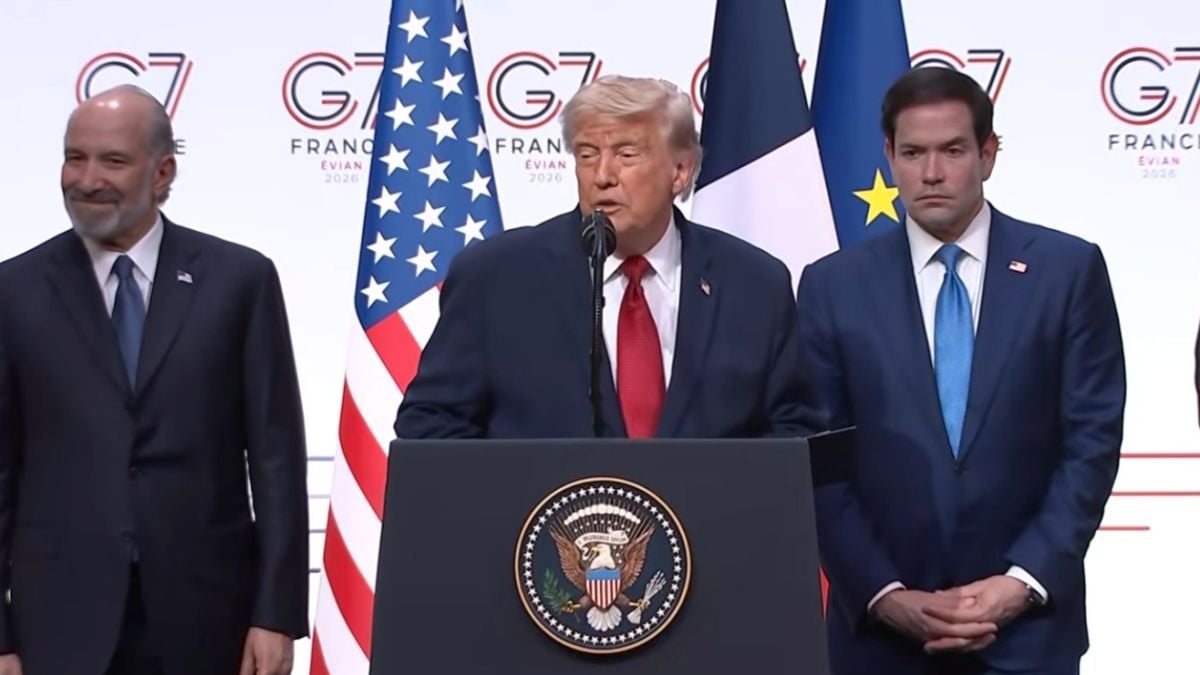
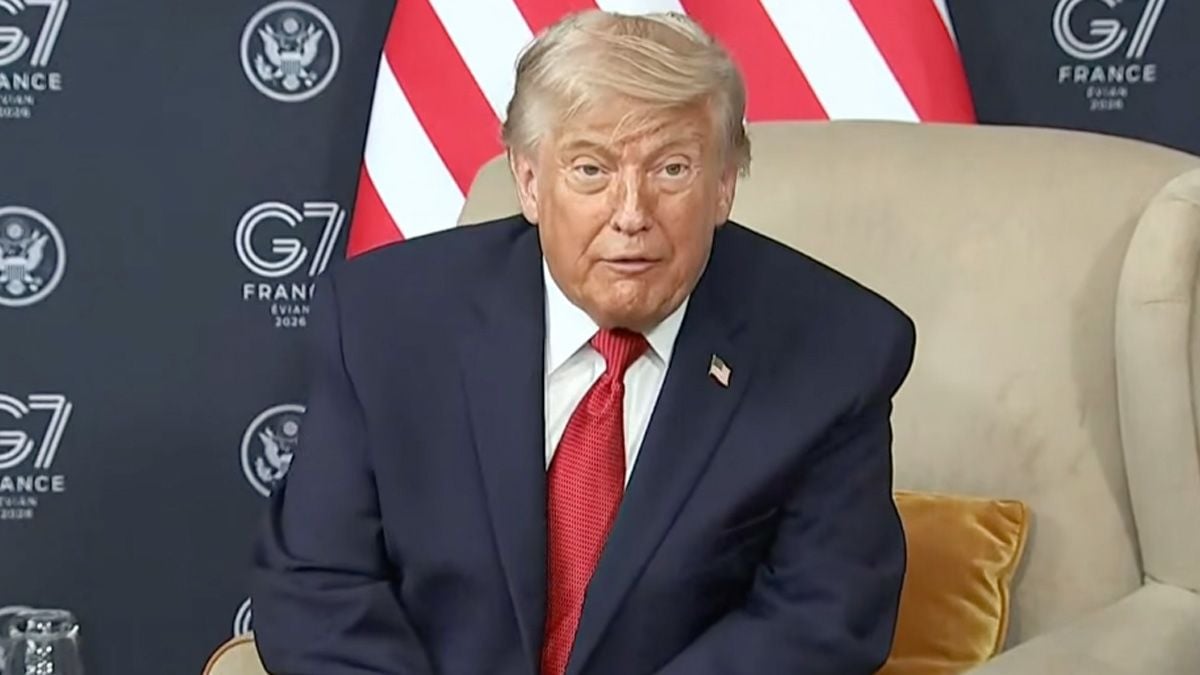
US President Donald Trump officially inaugurated the Board of Peace (BoP) on 19 February 2026, during a high-stakes meeting at the US Institute of Peace in Washington, DC. The summit was attended by dozens of world leaders and national delegations.
During the inaugural session, Trump announced that nine founding members had pledged a combined US$7 billion toward a Gaza relief package. This funding is intended to address the humanitarian crisis in the Palestinian territory following two years of war.
In addition to the international pledges, the US President committed US$10 billion from the United States to the BoP. While the specific use of the US funds was not detailed, Trump framed the total US$17 billion as an investment in stability.
Despite the significant figures announced, the total pledge represents only a fraction of the estimated US$70 billion required for reconstruction.
Gaza remains in a state of devastation, with critical infrastructure and residential areas largely decimated by the conflict.
The donor nations identified by Trump include Kazakhstan, Azerbaijan, the United Arab Emirates, Morocco, Bahrain, Qatar, Saudi Arabia, Uzbekistan, and Kuwait. These countries form the financial backbone of the newly created international body.
A central component of the summit was the formalisation of the International Stabilisation Force (ISF). Major General Jasper Jeffers, the commander of the newly created force, confirmed that the initial goal is to deploy 20,000 soldiers and 12,000 police.
Five countries—Indonesia, Morocco, Kazakhstan, Kosovo, and Albania—have pledged to send troops for the stabilisation efforts. President Prabowo Subianto of Indonesia has offered up to 8,000 personnel, making Indonesia one of the largest military contributors to the mission.
The security plan also involves training local police to maintain civil order. Egypt and Jordan have committed to leading these training efforts. The troops will initially focus on Rafah, which the US administration has identified as a priority for reconstruction.
The Board of Peace was originally part of a 20-point peace plan to end the Gaza conflict. However, Trump has since expanded its remit, suggesting the body will eventually resolve global conflicts and "look over" the United Nations (UN) to ensure it runs properly.
This expanded vision has triggered deep scepticism among traditional US allies. The United Kingdom, Germany, France, Italy, and Switzerland are among the nations that have declined to join the board, opting instead to attend only as observers.
European Commission President Ursula von der Leyen also declined her invitation.
Critics argue that the BoP is an attempt to side-step the UN and replace it with a transactional "members’ club" where permanent seats are secured via a US$1 billion donation.
The Vatican has emerged as a prominent critic of the initiative. Pope Leo XIV announced that the Holy See would not join. Cardinal Pietro Parolin stated that crisis situations should be managed by the UN at the international level.
Trump dismissed these concerns, stating that some countries were "playing cute" and predicting they would eventually join. He insisted that the BoP would make the UN stronger in the long term by providing a new layer of oversight.
The summit's attendee list highlighted a stark divide in global governance styles. Many founding members are classified as authoritarian or "Not Free" by Freedom House, leading to concerns about the democratic legitimacy of the new international body.
Egyptian Prime Minister Mostafa Madbouly attended, representing a country with a Freedom House score of 18/100. The watchdog reports that Egypt is run in an increasingly authoritarian manner, with political opposition and dissent facing criminal prosecution and imprisonment.
Turkish Foreign Minister Hakan Fidan represented a government with a score of 33/100. Reports indicate that President Recep Tayyip Erdoğan has consolidated power through constitutional changes and the imprisonment of journalists, political opponents, and members of civil society.
Central Asian nations also feature prominently in the BoP’s leadership. Kazakhstan’s President Kassym-Jomart Tokayev, whose country has a score of 23/100, attended the meeting. Freedom House notes that elections in Kazakhstan are neither free nor fair.
Uzbekistan’s President Shavkat Mirziyoyev and Vietnam’s Tô Lâm also represent "Not Free" states within the board. Vietnam, a one-party state with a score of 20/100, maintains tight restrictions on freedom of expression and religious freedom.
The board includes several "Partly Free" nations, such as Pakistan, led by Shehbaz Sharif, and Albania, led by Edi Rama. While these countries hold regular elections, they face significant challenges regarding military influence or systemic corruption.
In South America, Argentine President Javier Milei represents one of the few "Free" nations in the BoP with a score of 85/100. Milei, a vocal ally of Trump, attended the summit despite criticisms regarding his rhetoric toward domestic institutions.
Israeli Foreign Minister Gideon Sa’ar attended on behalf of Prime Minister Benjamin Netanyahu. While Israel is ranked as "Free," Freedom House reports a dire situation in the Palestinian territories, citing mass displacement and loss of life in Gaza.
A significant hurdle for the BoP remains the disarmament of Hamas, a core demand of the ceasefire deal. A US official admitted the administration is "under no illusions" regarding the challenges of demilitarisation but noted encouragement from mediators.
Secretary of State Marco Rubio told the gathering that much work remains. He emphasised that the success of the mission requires every represented nation state to contribute to the long-term goal of security and prosperity in the region.
The National Committee for the Administration of Gaza (NCAG), a body of technocrats established under the plan, remains frustrated in Cairo. They have stated they cannot take responsibility for Gaza without full administrative and police powers.
As the summit concluded, the credibility of the Board of Peace remains under heavy scrutiny. Observers warn that without tangible improvements on the ground in Gaza, the ambitious vision of the new body could quickly falter.
The BoP is scheduled to hold further planning sessions to coordinate the deployment of the ISF. However, the absence of major Western democracies suggests that the body may struggle to gain widespread international recognition or legitimacy.