New work group formed to address Singapore resident fertility rate of 0.87
Minister Indranee Rajah announces a new work group to tackle Singapore's record-low fertility rate of 0.87 in 2025. The initiative seeks a society-wide reset on marriage, parenthood, and workplace alignment to arrest the decline in birth rates through cultural and structural shifts.
- Singapore recorded its lowest ever preliminary resident total fertility rate of 0.87 in 2025, down from 0.97 in 2024.
- A new inter-agency work group chaired by Minister Indranee Rajah will develop concrete plans to support parents and influence cultural mindsets.
- The government aims to mitigate the education "arms race" and work with employers to foster flexible, family-friendly workplace environments.

The Government has announced the formation of a new work group to address marriage and parenthood issues following a historic decline in the national birth rate. Preliminary figures for 2025 indicate the resident total fertility rate (TFR) has fallen to 0.87.
According to Indranee Rajah, Minister in the Prime Minister’s Office (PMO), this figure marks the lowest TFR recorded in Singapore to date. The resident TFR stood at 0.97 in 2024, highlighting a rapid downward trajectory for the country.
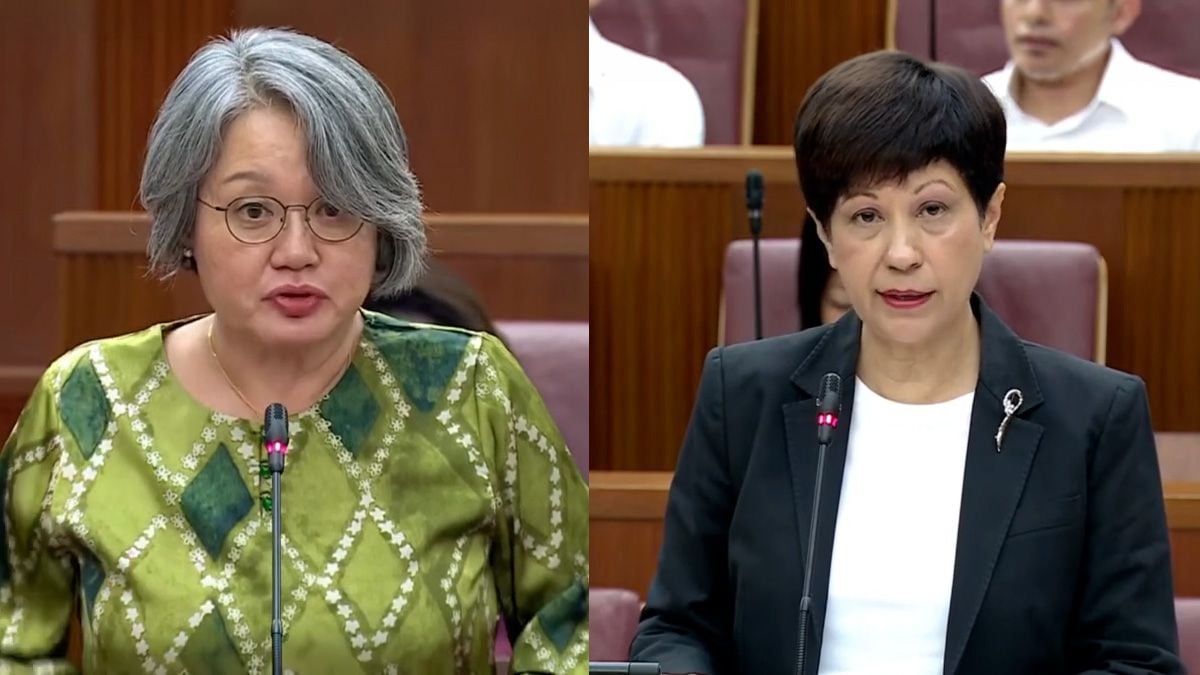
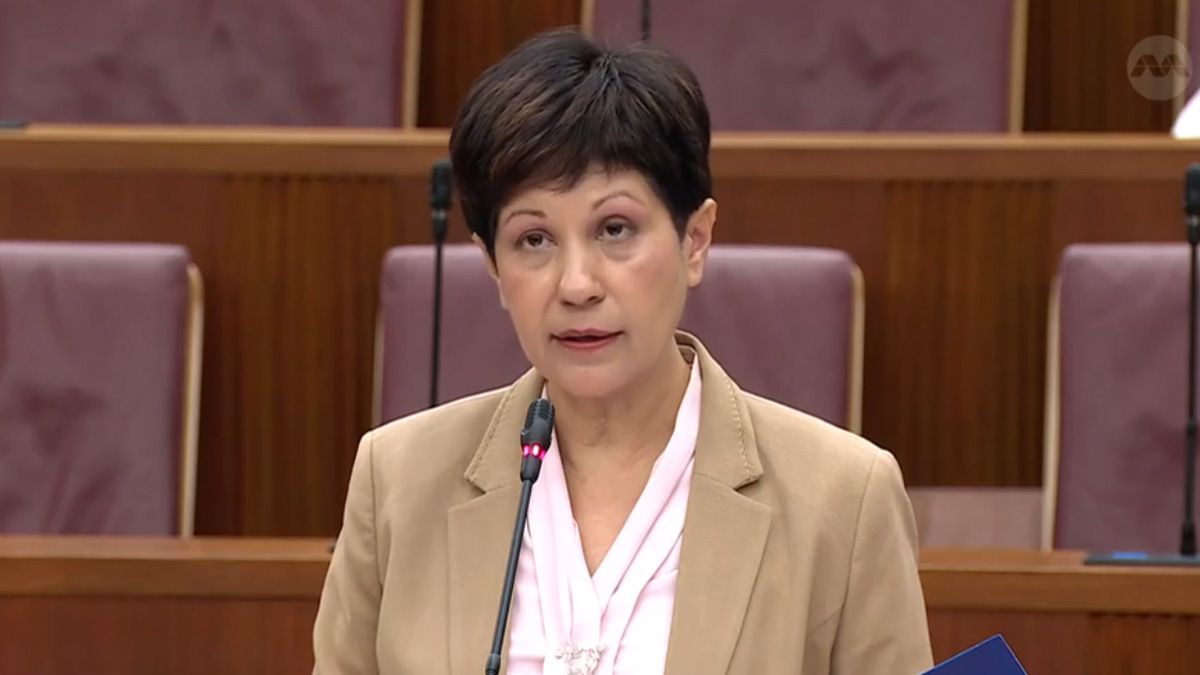
Speaking in Parliament on 26 February 2026, Minister Rajah stated that a society-wide reset is required. This reset must address how marriage is viewed, how workplaces align with family needs, and the role of the broader community in supporting parents.
Minister Rajah, who also serves as Second Minister for Finance and National Development, will chair the new work group. The initiative involves multiple relevant agencies tasked with developing concrete plans to arrest and reverse the current decline.
The Minister noted that raising the TFR has always been a priority, but the latest data has provided a new sense of urgency. She described the demographic trend as an existential challenge that the Government is committed to addressing head-on.
Singapore’s experience is not unique, as Minister Rajah pointed out that France and Nordic countries are also seeing declines. Within the region, Malaysia, Thailand, and Vietnam are facing similar downtrends, while deaths in China currently exceed births.
The new work group intends to consult with members of the public, the business community, and the people sector. These engagements will help shape recommendations for the next phase of marriage and parenthood enhancements in the coming months.
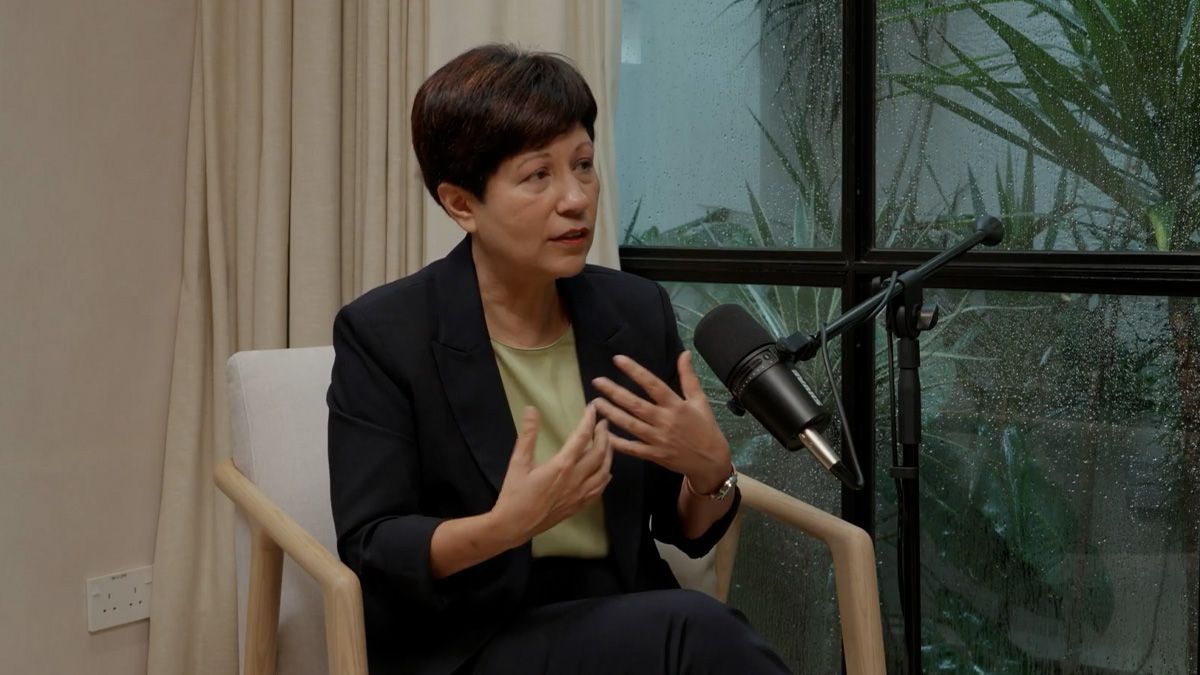
Minister Rajah emphasised that two key mindset shifts are necessary to improve the environment for potential parents. She observed that individuals often view parenthood through the lens of what they might lose, such as career progression and personal freedom.
"Ultimately, it is a personal choice. But we need a mindset change to encourage couples to consider a more balanced picture when exercising this choice," Minister Rajah said. She added that many couples successfully balance careers with family goals.
The Minister also addressed the immense pressure on couples to be perfect parents. She cited an example of a young doctor feeling guilty over his work schedule and a newly-wed woman hesitant to have children due to resource concerns.
Minister Rajah argued that parenthood is not about having all the answers from the start. Instead, it is about being willing to learn and grow alongside children while relying on the support of the surrounding community.
The Government also aims to address anxieties regarding the education system. Many parents fear there is only a narrow gate to success, leading to an "arms race" where children are pressured to excel academically at all costs.
The Ministry of Education (MOE) will begin engagements to mitigate this competition. Minister Rajah stated that society must move away from viewing education as a competition and instead see it as an "open highway with many lanes."
Structural reforms in education will be accompanied by efforts to foster family-friendly workplace cultures. The work group will collaborate with employers to encourage practices that allow parents to remain present for their families during critical milestones.
Minister Rajah shared the story of Edmund Seah, a 31-year-old medical social worker at St Luke’s Hospital. Seah utilised paternity and shared parental leave to support his wife, an experience made possible by a supportive employer.
"I believe that when employees feel supported in important life transitions, they are more committed and willing to contribute meaningfully to their organisations," Seah said. His experience highlights the impact of workplace flexibility on parental peace of mind.
To gain deeper insights into evolving attitudes, the Government will enhance its Marriage and Parenthood Survey in 2026. This data will supplement the work group’s efforts to understand why perceptions of family life have shifted so significantly.
During the debate on the PMO’s budget, several Members of Parliament (MPs) raised concerns. Shawn Loh and Andre Low highlighted the cost of childraising, while David Hoe requested more childcare leave for working parents.
Nadia Ahmad Samdin also called for improved fertility health support. In response to Hany Soh regarding the timeline for these measures, Minister Rajah indicated that some recommendations could be implemented earlier than others depending on their complexity.
"Time is of the essence. It’s an existential issue. We can’t afford to sit back and wait," Minister Rajah told the House. She assured that the Government remains preoccupied with ensuring more Singaporean babies are born during this term.