Singapore reviews EC policy amid affordability concerns and supply questions
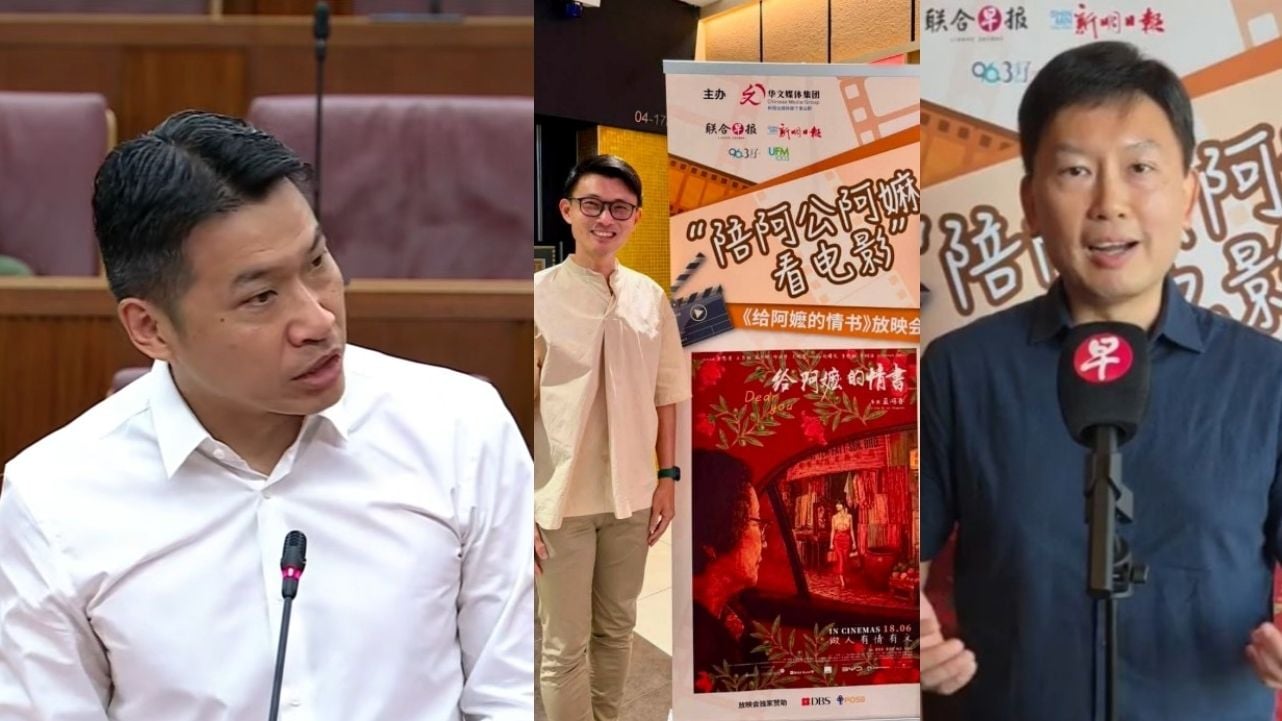
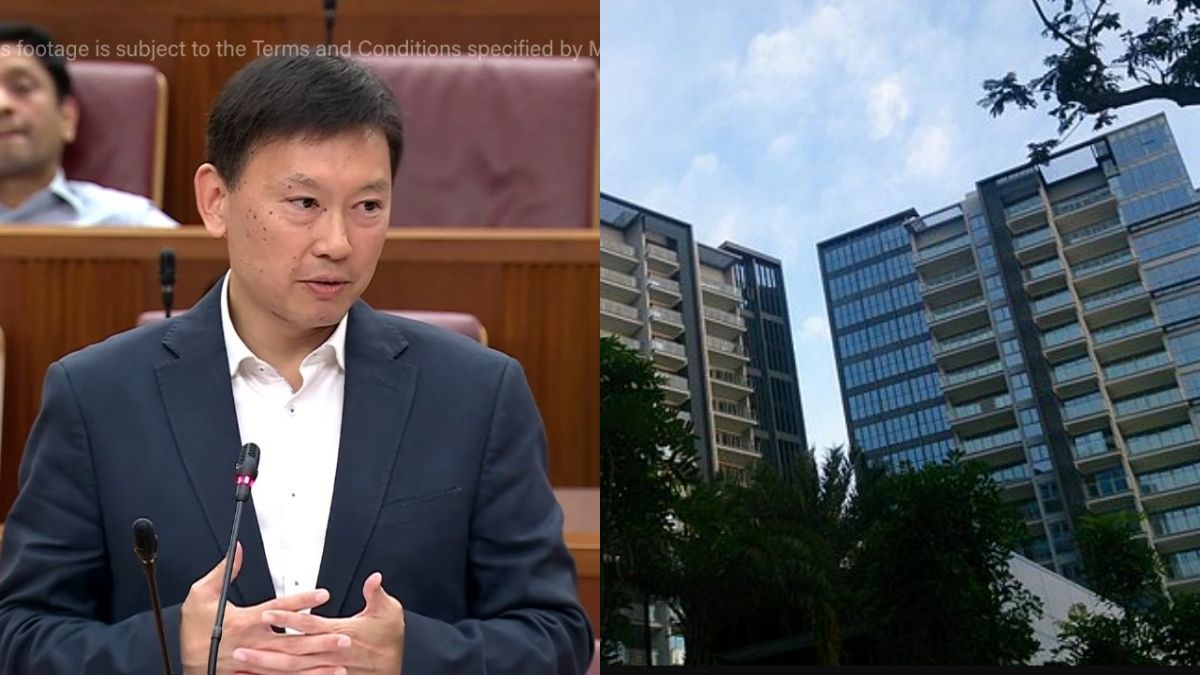
Singapore is reviewing its executive condominium policy following concerns over rising prices. National Development Minister Chee Hong Tat said affordability and supply remain key considerations, as MPs pressed for clarity on grants, timelines and housing pipeline plans.
- Government reviewing EC policy amid rising median prices and affordability concerns.
- Minister warns higher grants may inflate prices and benefit developers.
- Housing supply may increase beyond planned levels if demand stays strong.

Singapore is reviewing its executive condominium (EC) policy following concerns over affordability, National Development Minister Chee Hong Tat said on 4 March 2026 during the Ministry of National Development’s budget debate.
He acknowledged Members of Parliament had raised questions about rising EC prices and confirmed that the Government is assessing the framework.
“We are reviewing the policy and we will consider your suggestions as part of the review,” he said in response to queries in the House.
ECs were introduced in 1995 to provide higher-income Singaporeans with an option to own private housing.
According to Chee, prices of new EC units are broadly 20 to 30 per cent lower than comparable private condominiums.
Eligible buyers may also tap a Central Provident Fund Housing Grant of up to S$30,000.
However, official data indicates that EC prices have risen significantly in recent years.
The median price of an EC unit stood at S$1,754 per sq ft (psf) in 2025.
Data from the Urban Redevelopment Authority shows this was 14 per cent higher than S$1,537 psf in 2024, and more than double the S$797 psf recorded in 2015.
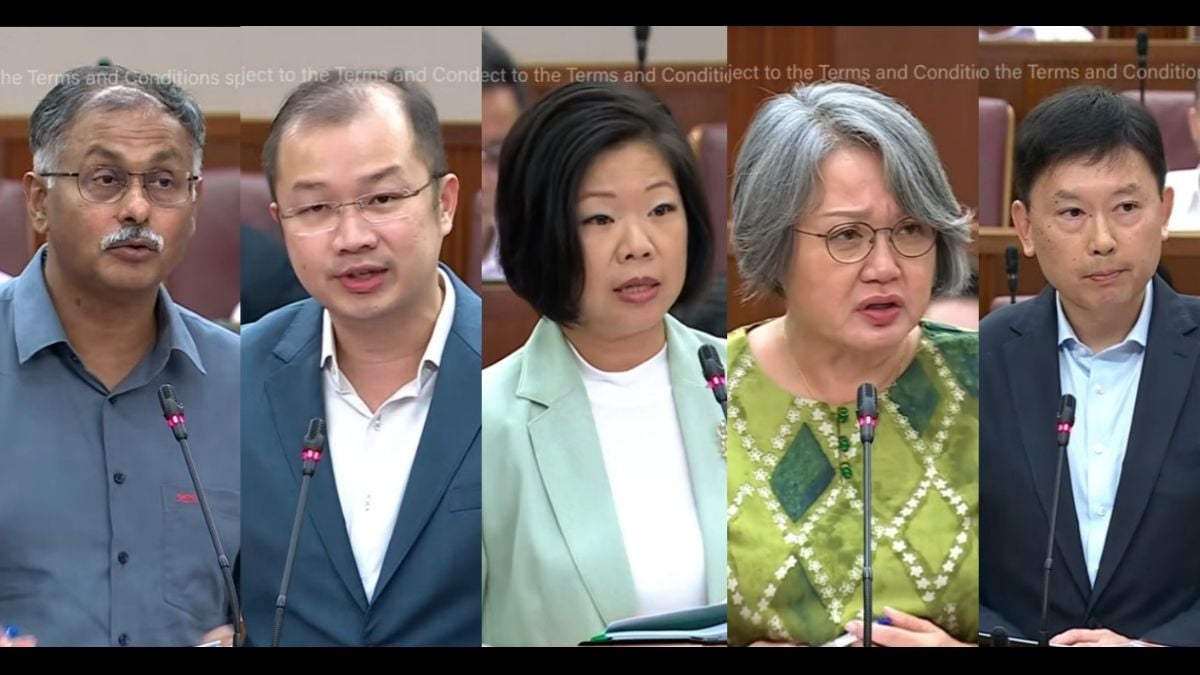
Workers’ Party MP Louis Chua noted that the average EC price in 2024 was S$1,531 psf, 154 per cent higher than the S$603 psf average price of a Housing and Development Board resale flat.
In 2016, the average EC price was S$782 psf, 84 per cent higher than the S$424 psf average for HDB resale flats.
Chua said EC prices had “skyrocketed” over the past decade and urged the Ministry of National Development to “seriously rethink the current EC model”.
“I urge the MND to seriously rethink the current EC model and to bring the price of ECs into a range that will suit their original intentions,” he said.
Balancing affordability and market dynamics
Responding, Chee emphasised that ECs are developed and priced by private developers, though sold under Housing and Development Board regulations.
“While ECs are priced by private developers, prices are lower than private housing as we impose initial eligibility and ownership restrictions, such as an income ceiling and a minimum occupation period,” he said.
EC owners must meet a five-year minimum occupation period before selling to Singaporeans and permanent residents. Only after 10 years, when the development is fully privatised, can units be sold or rented to foreigners.
Chee noted that ECs are strata-titled and feature designs and facilities similar to private condominiums.
As such, they are “more comparable to private condominiums” than HDB resale flats, he said.
He cautioned that reviewing EC affordability is not straightforward.
“If it’s something that we can do by just increasing the grant, that’s quite direct,” he said. However, because the Government does not control EC pricing, higher grants could lead to unintended outcomes.
“There’s a risk that much of the support given, which is going to come from taxpayers, public funds, will be creamed off by the EC developers instead of going to the home buyers, which was the intent,” he said.
Chee added that policymakers must consider whether to retain the fundamental nature of ECs or alter the model more significantly.
“If you want to retain it, then what are some of the moves that we can make to improve affordability, but yet maintain this feature that it is closer to or more comparable to private condominiums rather than to resale flats and public housing?” he said.
He did not provide a timeline for completing the review, stating that it is ongoing.
Questions over supply pipeline
Chua also sought clarification on housing supply projections.
He asked whether the Government still intends to reduce Build-To-Order flat supply to about 15,700 units in 2027, down from around 19,600 units in 2026.
He further queried expectations for private residential supply in the second half of 2026 and 2027, noting that supply under recent Government Land Sales programmes appeared to be declining, particularly for EC sites.
In response, Chee said the Government would not limit itself to previously announced figures if demand remains strong.
“We are not going to keep ourselves limited to the 55,000,” he said, referring to the earlier target for BTO supply over a multi-year period.
“If we need to go beyond this 55,000, we will do so. If there’s strong demand and we need to go higher than what we had earlier planned for, we will do so.”
On private residential supply, he said authorities retain flexibility.
“We do have some capacity that we can release,” he said, adding that the Government can activate new sites for sale or convert sites from the reserve list to the confirmed list under the Government Land Sales programme.
Developers may also trigger reserve sites if demand conditions are met.
Monitoring resale market conditions
Separately, Chee addressed questions about the 15-month wait-out period imposed on private property owners seeking to buy HDB resale flats.
The restriction, in place since September 2022, will be removed when market conditions allow, he said.
“While the recent data looks promising, it is prudent to monitor for a while more before making any adjustments,” he said.
The HDB resale market has moderated in recent months.
Resale price growth slowed from 12.7 per cent in 2021 to 2.9 per cent in 2025. Prices remained unchanged in the fourth quarter of 2025 for the first time since the first quarter of 2020.
As at mid-February 2026, HDB resale prices had shown a slight decline of 0.1 per cent for the year.
Chee attributed the moderation to efforts to ramp up BTO supply and four rounds of cooling measures introduced in recent years.
He stressed that meeting diverse housing needs ultimately depends on maintaining adequate supply.
“In order to meet all these different demands and needs, supply is key,” he said.
This may require activating more land parcels, building higher-density developments and improving land intensification and integrated mixed-use design, he added.