Singapore public sector to cut energy use amid Middle East supply disruption
All ministries, statutory boards and organs of state have been directed to adopt energy conservation measures as the Middle East conflict disrupts global fuel supply chains and pushes electricity tariffs higher.


Singapore has launched a national energy conservation effort in response to fuel supply disruptions caused by the ongoing Middle East conflict, with the government directing public agencies to reduce electricity use and calling on businesses and households to do the same.
The Ministry of Sustainability and Environment (MSE) and the National Environment Agency (NEA) issued a joint media release on Wednesday, 8 April 2026, outlining a coordinated response spanning the public sector, businesses, and individual households.
PM Wong's call to action
The push follows a video message delivered by Prime Minister and Minister for Finance Lawrence Wong on 2 April 2026, in which he called on businesses and households to conserve energy and contribute to Singapore's energy resilience in light of the Middle East situation.
MSE and NEA said the government is taking the lead in the national effort and will continue to provide support to help Singaporeans save energy.
Public sector takes the lead
All ministries, departments, organs of state, and statutory boards have been directed to adopt energy conservation measures to reduce electricity consumption across government facilities where practicable, while balancing operational needs.
Immediate measures include implementing Go 25 protocols for air-conditioning — setting temperatures to 25°C or higher — alongside active management of operating hours for air-conditioning, lighting, and lifts.
Agencies have also been told to unplug or switch off non-essential equipment and appliances when not in use, and to accelerate the installation of energy-efficient infrastructure such as LED lighting and smart sensors.
Agencies will additionally replace existing electrical equipment with more energy-efficient alternatives, prioritising those with the highest tick ratings under Singapore's energy efficiency labelling scheme.
All public officers have been advised to adopt conservation habits, including switching off lights, air-conditioning, monitors, and other equipment when not in use.
MSE and NEA said the measures complement existing requirements under GreenGov.SG and demonstrate the government's commitment to leading by example in national energy conservation efforts.
Tariff increase and economic outlook
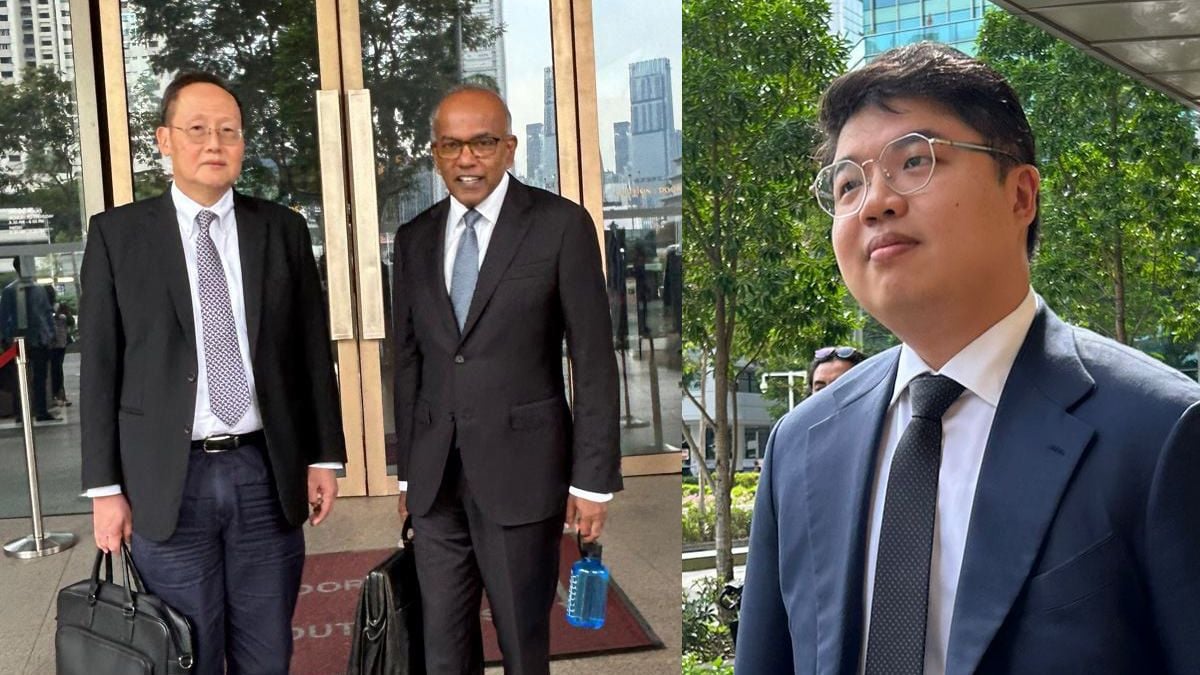
The directives follow a ministerial statement in parliament on Tuesday, 7 April, in which Deputy Prime Minister Gan Kim Yong warned of broader economic consequences from the conflict.
Gan said the conflict would result in disruptions to energy supplies and global trade, with knock-on effects for Singapore's economy. While first-quarter GDP growth was described as resilient, he cautioned that growth would likely be affected in coming quarters.
Rising oil and natural gas prices are expected to translate into a sharper increase in the regulated electricity tariff next quarter.
Five steps for households and individuals
The government is calling on the public to adopt five simple energy-saving steps.
The first is to use fans to stay comfortable rather than defaulting to air-conditioning. The second is Go 25 — setting air-conditioning to 25°C or higher, or switching to a fan after a short period of use. MSE and NEA noted that each degree raised reduces energy consumption by around 10%.
Third, households are urged to switch off appliances at the power socket when not in use, as devices left on standby — including televisions, routers, and computers — continue to draw power.
Fourth, consumers are encouraged to choose appliances with higher tick ratings, which use less electricity and reduce costs over time. Fifth, the public is asked to walk, cycle, or use public transport to reduce fuel and energy consumption.
Support measures for households and businesses
Eligible households can claim up to S$400 in Climate Vouchers under the enhanced Climate Friendly Households Programme (CFHP) to purchase more energy-efficient appliances.
Businesses can tap on the Energy Efficiency Grant (EEG) and the Resource Efficiency Grant for Emissions (REG(E)) to fund investment in energy-efficient equipment and reduce operational costs.
A whole-of-nation effort
MSE and NEA said the effort requires participation across all segments of society.
"Everyone has a part to play in strengthening our nation's energy resilience," the agencies said. "Through collective action, we can help ensure Singapore remains well-positioned to navigate global energy challenges while building a more sustainable future for all."