All 1,070 BCRS machines deployed but costs, collection data and senior options go unanswered
Minister for Sustainability and the Environment Grace Fu confirmed all 1,070 Return Right reverse vending machines are operational, with plans to reach 2,000 within a year, but capital costs, collection volumes and options for seniors were not addressed.


All 1,070 reverse vending machines (RVMs) planned for the initial rollout of Singapore's Return Right Beverage Container Return Scheme (BCRS) have been deployed and are operational, Minister for Sustainability and the Environment Grace Fu Hai Yien disclosed in Parliament on 5 May 2026.
The figure emerged in a written reply to four separate Parliamentary questions pressing the Ministry for a one-month post-launch assessment of the scheme.
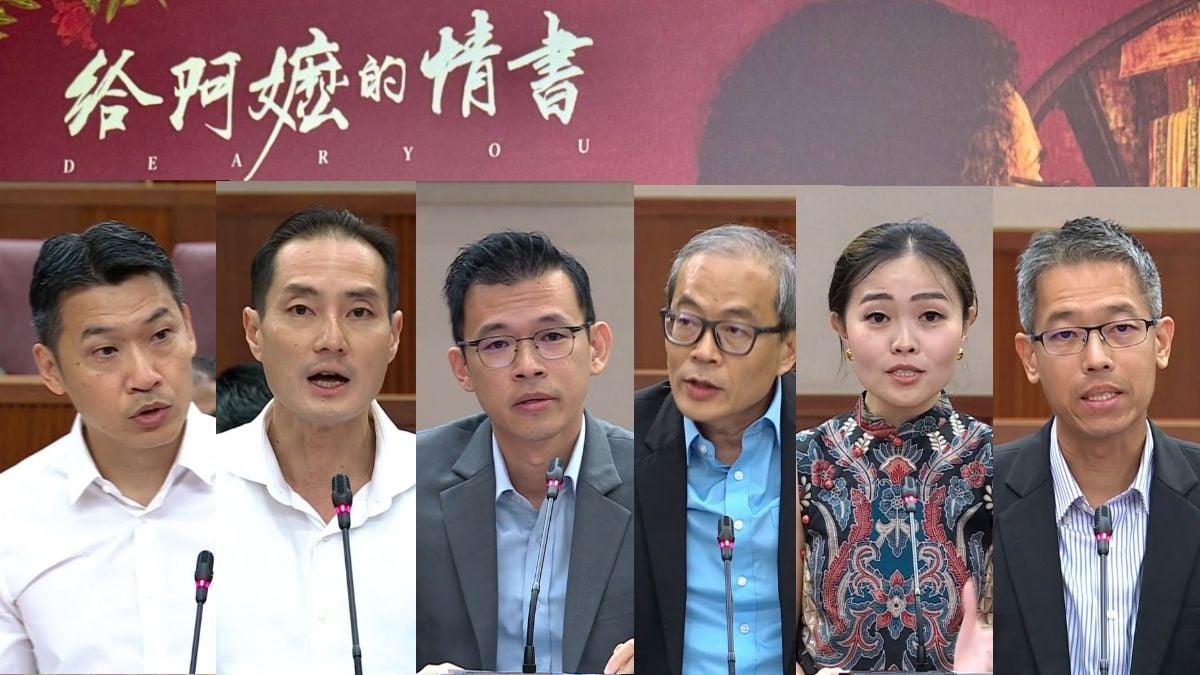
The questions were filed by Workers' Party MPs Gerald Giam Yean Song (Aljunied GRC), Dennis Tan Lip Fong (Hougang), and Assoc Prof Jamus Jerome Lim (Sengkang GRC), alongside People's Action Party MP Poh Li San (Sembawang West). The questions were among those not reached during question time and were answered in writing following the session.
Beyond the 1,070 machines already in place, Minister Fu said deployment would grow to around 2,000 RVMs within the first year of implementation. On energy consumption, she noted that each machine operates at a consumption rate lower than a standard drink vending machine, but provided no absolute figures for monthly electricity use.
The Minister did not provide the requested capital costs of the machines or their average monthly electricity consumption. Gerald Giam had further asked whether the Ministry had conducted a life cycle assessment to verify that the carbon footprint of operating the machines does not outweigh the recycling benefits. The life cycle assessment question was not addressed in the written reply.
On scheme performance, Minister Fu urged against premature judgements. "As the scheme was launched just over a month ago, it is premature to draw any conclusions on the performance and effectiveness of the scheme," she said. She attributed the low initial return volumes to the six-month transition period, adding: "As there is a six-month transition period, the volume of containers returned in April is expectedly small."
The Minister did not provide the requested total collection volume or contamination rate for April. Dennis Tan had sought both figures alongside specific measures to address what he characterised as frequent technical malfunctions and offline periods affecting Return Right machines since the April 2026 launch.
On machine uptime and maintenance, Minister Fu said the Ministry would continue to work with scheme operator BCRS Ltd. "to fine-tune and improve the implementation of the scheme." No targeted response times or specific remediation measures were outlined in the reply.
Looking ahead, the Minister indicated that participation was expected to increase substantially in the second half of the year. The Ministry anticipated return volumes would "increase significantly in July and August, when more labelled regulated beverages are introduced into the market" — a development tied to the gradual rollout of deposit-marked containers by producers over the transition period.
Assoc Prof Jamus Jerome Lim had asked whether the Ministry would consider accepting all returned bottles during the transition period regardless of whether they carry a deposit mark — at least on an interim basis — to encourage recycling behaviour among the public.
The Minister declined. "There are no plans for the RVMs to accept non-labelled containers during the transition, as this could lead to greater confusion among the public," she said. Members wishing to recycle beverage containers without a deposit mark were directed to use the existing blue bin network in the meantime.
The Minister did not address Poh Li San's questions on whether plans exist to improve the markings on eligible containers or whether alternative refund options would be made available for less tech-savvy users, particularly seniors.
The BCRS launched on 1 April 2026 as Singapore's first beverage container return scheme, requiring producers and importers to fund and support the return infrastructure. Eligible containers bearing the deposit mark can be returned at RVMs in exchange for a ten-cent refund, with the scheme managed by BCRS Ltd.
Under the six-month transition framework, not all regulated beverages are yet required to carry the deposit mark — a phased approach that the Ministry says accounts for the low return volumes recorded in April.