US and Indonesia elevate ties with major defence partnership agreement
The United States and Indonesia have announced a major defence partnership covering military training, modernisation, and joint operations, while Jakarta stresses sovereignty and cautious review of US airspace access proposals.
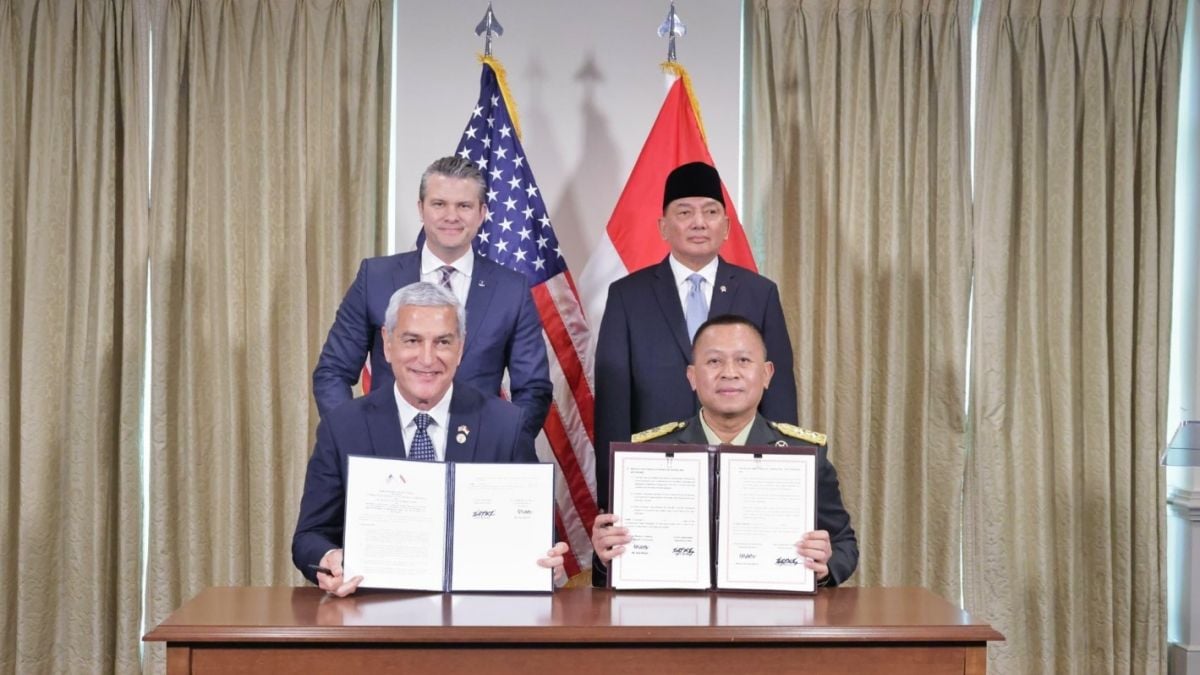
- US and Indonesia upgrade defence ties to major cooperation partnership.
- Indonesia stresses sovereignty while reviewing US airspace access proposal.
- Parliament calls for transparency amid growing scrutiny and debate.

WASHINGTON, UNITED STATES: The United States has announced a “major” defence partnership with Indonesia following high-level talks at the Pentagon, marking a significant step in bilateral military relations.
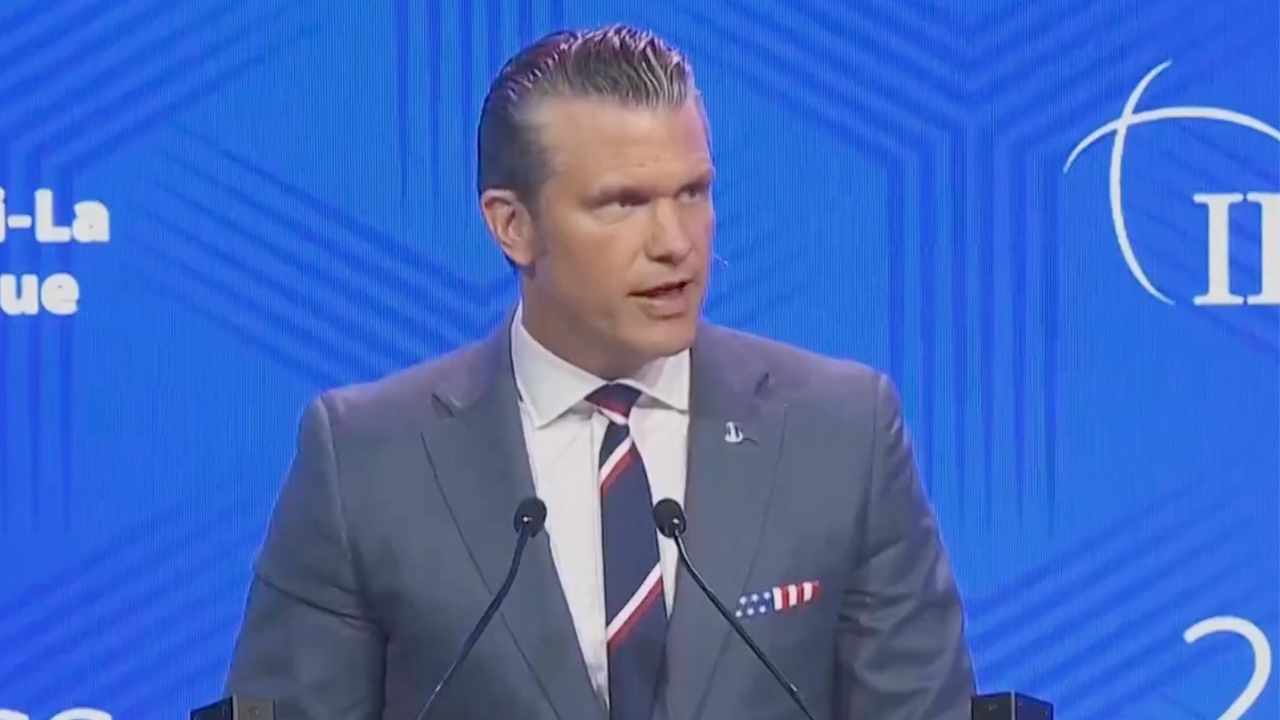
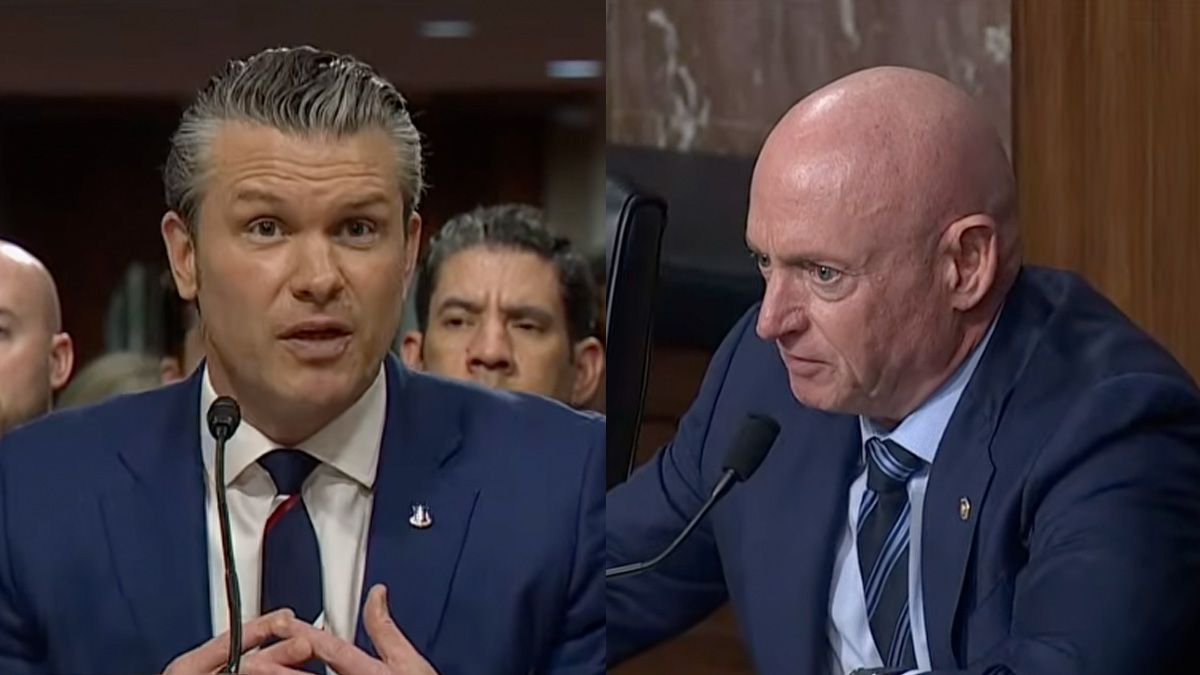
US Defense Secretary Pete Hegseth confirmed the development after meeting Indonesia’s defence minister, describing the move as a recognition of deepening strategic ties.
“We are elevating our relationship to a Major Defense Cooperation Partnership, in recognition of the strength and potential of our bilateral defense ties,” Hegseth said in a statement posted on X.
According to a joint statement, the partnership will cover key areas including military modernisation and capacity building, alongside expanded training and professional military education programmes.
It will also include joint exercises and enhanced operational cooperation between both armed forces.
“Both nations reaffirm their shared commitment to maintaining peace and stability in the Indo-Pacific,” the statement added.
Indonesia stresses sovereignty and policy independence
Jakarta welcomed the agreement, describing it as an opportunity to strengthen national defence capabilities while maintaining its longstanding diplomatic principles.
Indonesia’s Ministry of Defence stated that the partnership would reinforce defence capacity but emphasised that its “free and active foreign policy, national interests, and full respect for state sovereignty” would remain unchanged.
The ministry also addressed reports of a US proposal seeking overflight access for American military aircraft in Indonesian airspace.
Officials said the proposal was being “carefully reviewed” and had not yet been approved.
“It still requires further discussion through technical mechanisms and applicable national procedures,” the ministry said.
Reports indicate that the proposal could allow US aircraft access for emergency operations, crisis response missions, and jointly agreed military exercises.
A document titled Operationalising US Overflight, reportedly dated 26 February, stated that “US aircraft may transit immediately upon notification, until further deactivation notice by the United States.”
Airspace control remains under national authority
Indonesian officials reiterated that any agreement would not compromise national control over its airspace.
“We emphasise that the authority, control, and supervision of Indonesian airspace remains fully in the hands of Indonesia,” said Brigadier General Rico Ricardo Sirait.
He added that any future arrangement would require government approval on a case-by-case basis and must comply with national laws and institutional procedures.
The issue has drawn attention from lawmakers, with parliament reportedly scrutinising developments closely.
Deputy Commission I Chair Sukamta urged caution, describing current information as speculative and stressing the importance of legal safeguards.
He noted there is no basis for unrestricted foreign access to Indonesian airspace, which requires strict permits and regulatory clearance.
Lawmakers have also called for greater transparency as public debate intensifies online.
Strategic balancing in the Indo-Pacific
Indonesia’s geographic and strategic position has added weight to the significance of the agreement.
Located along the Malacca Strait, one of the world’s busiest maritime chokepoints for oil shipments, the country plays a central role in regional security dynamics.
Indonesia is also regarded as having the strongest military in Southeast Asia, according to defence analysis assessments.
While Jakarta maintains a non-aligned diplomatic stance, it has expanded ties with multiple global powers.
The country joined the BRICS bloc last year, aligning itself with emerging economies including Russia and China.
At the same time, President Prabowo Subianto has pursued engagement with Washington, signing a trade deal with US President Donald Trump and joining a US-backed initiative referred to as the “Board of Peace”.
Recent developments highlight this balancing approach, with Prabowo also holding talks with Russian President Vladimir Putin on oil cooperation on 13 April 2026.