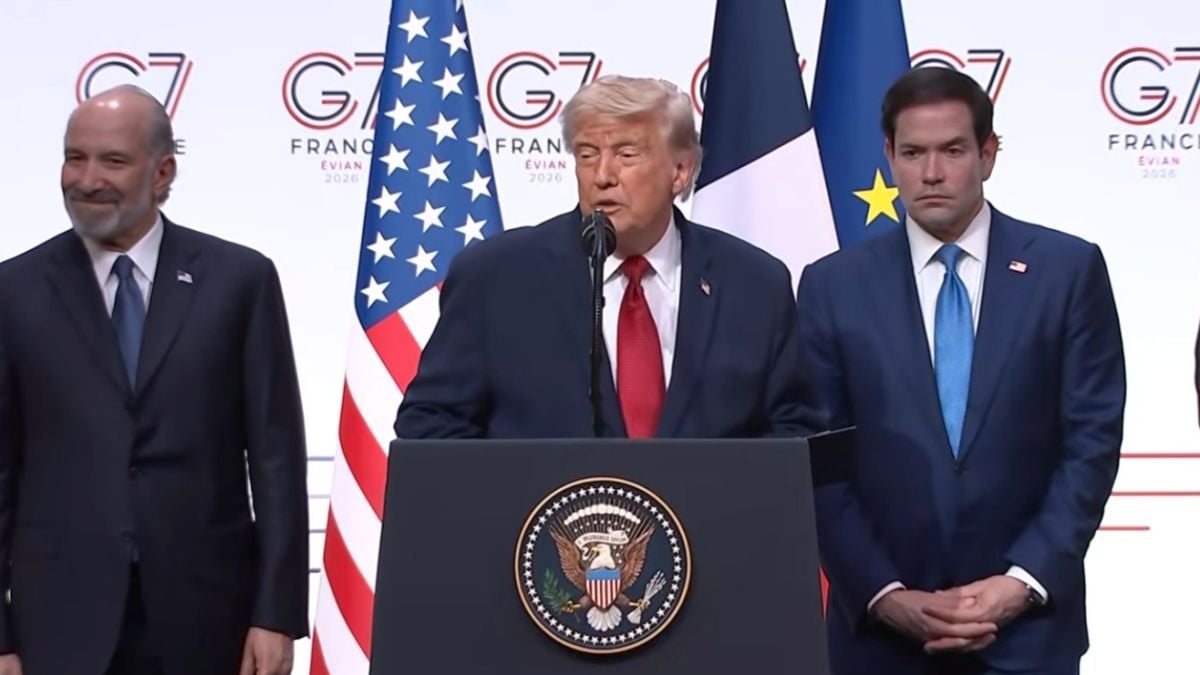
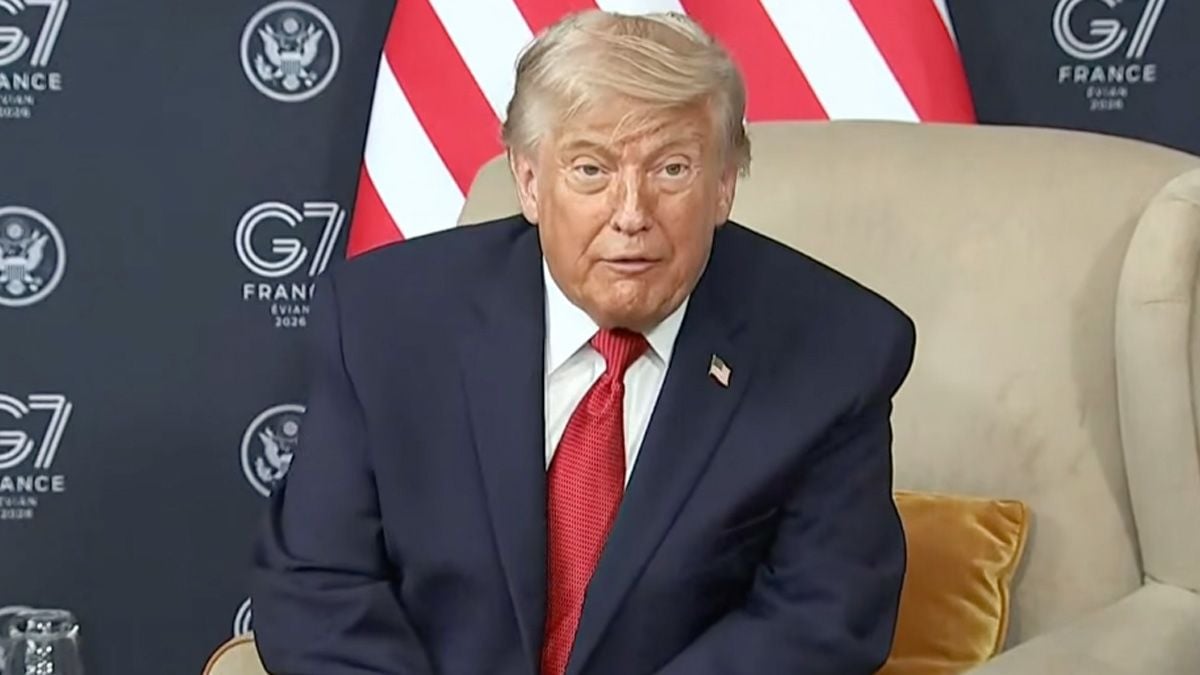
Trump hails Xi as “great leader” as Beijing summit seeks to reset strained US-China ties
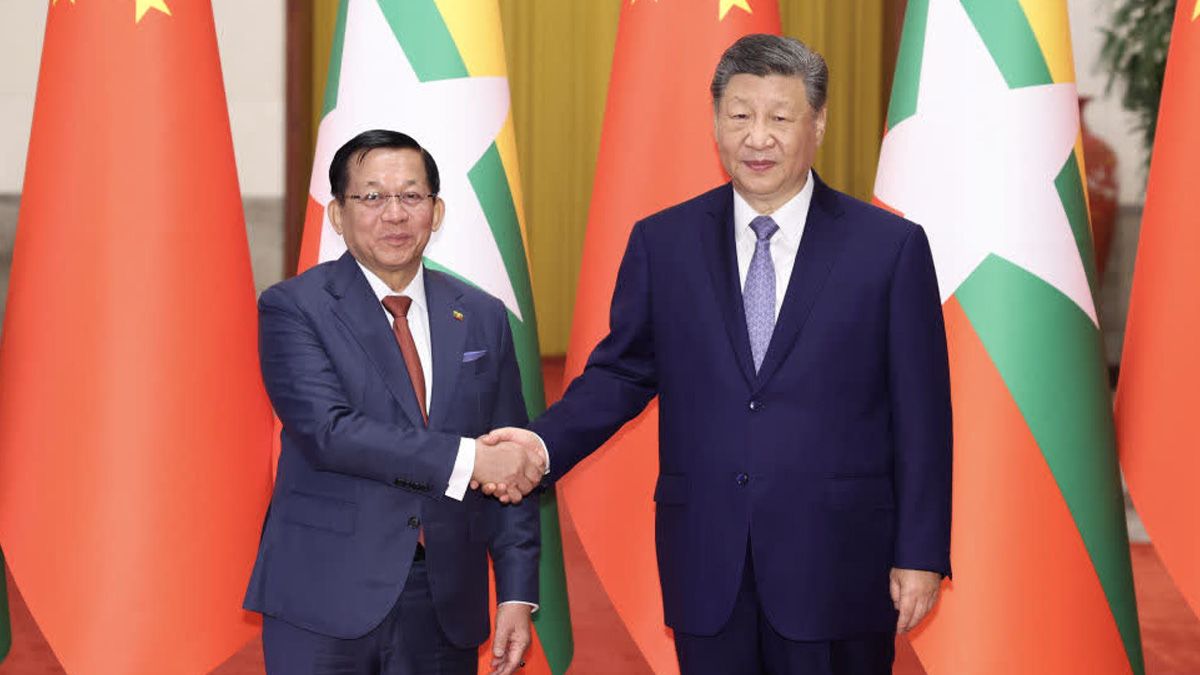
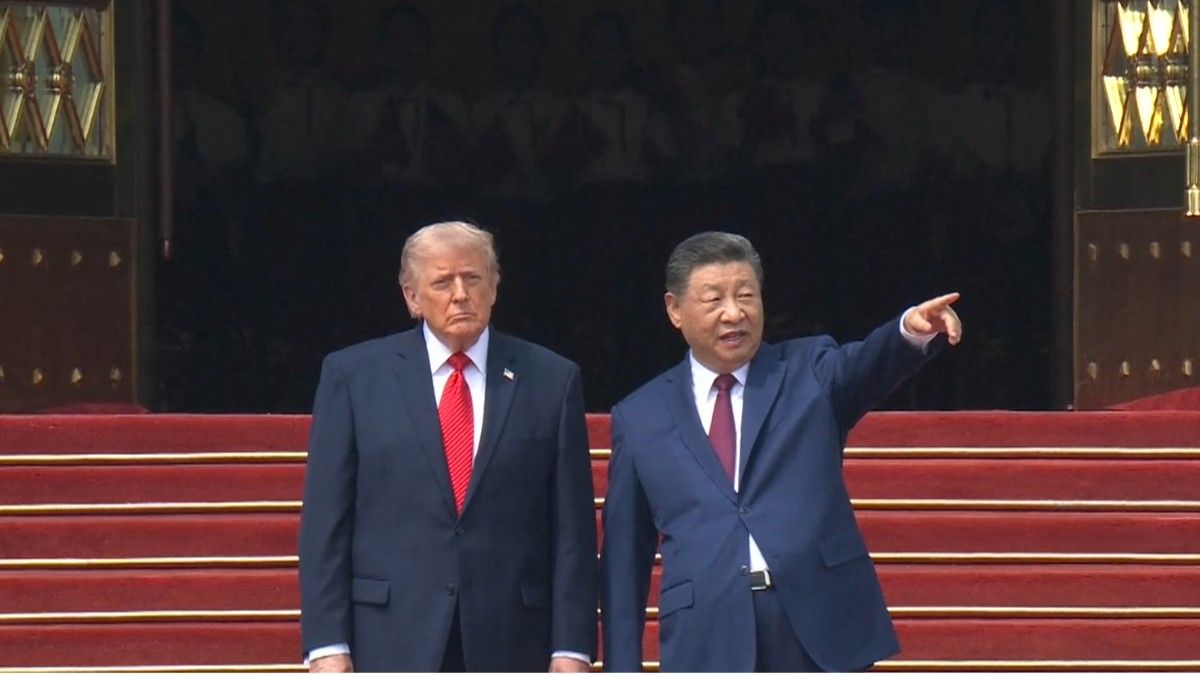
US President Donald Trump and Chinese President Xi Jinping opened high-level talks in Beijing on 14 May 2026, pledging cooperation despite deep divisions over trade, Taiwan and global security as both leaders sought to stabilise ties between the world’s two largest economies.
- Xi Jinping warned mishandling Taiwan could push US-China relations into conflict.
- Donald Trump said US-China relations could become “better than ever before”.
- Both leaders signalled support for deeper economic cooperation despite strategic tensions.

BEIJING, China: US President Donald Trump and Chinese President Xi Jinping opened closely watched summit talks in Beijing on 14 May 2026, with both leaders publicly striking a conciliatory tone despite mounting tensions over trade, Taiwan and global security disputes.
The meeting at the Great Hall of the People began with ceremonial pageantry and tightly choreographed formalities, underscoring the importance both governments are placing on stabilising relations between the world’s two largest economies.
In opening remarks before senior officials, business executives and state media cameras, Trump praised Xi as “a great leader” and described the meeting as “an honour”.
“It’s an honour to be with you, it’s an honour to be your friend,” Trump said.
The US president added that relations between Washington and Beijing were going to be “better than ever before”.
Xi, meanwhile, framed the summit as a defining moment for the future of global stability, warning that the international system was entering a period of profound uncertainty.
“The world has come to a new crossroads,” Xi said.
“We should be partners not rivals, we should help each other succeed and prosper and find the right way for major countries to get along with each other in the new era.”
The two-hour closed-door bilateral meeting concluded later on Thursday afternoon, with both sides expected to continue discussions involving trade, investment and strategic security concerns.
Leaders seek stability amid global tensions
The summit unfolded against a backdrop of fragile US-China ties shaped by disputes over tariffs, technology restrictions, military competition and Taiwan.
Xi said “transformation not seen in a century” was accelerating globally and described the international situation as “fluid and turbulent”.
He posed a series of rhetorical questions about whether China and the United States could “overcome the Thucydides trap”, referring to the theory that conflict often emerges when a rising power challenges an established one.
“Can China and the US overcome the Thucydides trap and create a new paradigm of relations?” Xi asked.
“Can we meet global challenges together and provide more stability for the world?”
Xi also congratulated the United States ahead of its 250th anniversary of independence, while emphasising that cooperation remained mutually beneficial.
“I always believe that our two countries have more common interests than differences,” Xi said.
“China and the US both stand to gain from cooperation and lose from confrontations.”
Trump echoed the positive messaging, saying both leaders had previously resolved disputes through direct communication.
“We’ve gotten along, when there were difficulties we worked it out,” Trump said.
“Whenever we had a problem we worked it out very quickly.”
The unusually warm public language reflected an apparent effort by both governments to project stability after years of volatility in bilateral relations.
Although expectations for major policy breakthroughs remained limited, analysts viewed the summit as an attempt to preserve diplomatic channels and prevent tensions from escalating further.
Economic cooperation dominates agenda
Economic issues remained central to the Beijing talks, with Trump arriving alongside a delegation of senior US officials and more than a dozen prominent American business executives.
The delegation included Nvidia chief executive Jensen Huang and Apple chief executive Tim Cook, signalling the importance Washington continues to place on commercial engagement with China despite growing strategic rivalry.
Trump said he had brought “the best” business leaders to Beijing.
“Only the top people here today to pay respects to you,” Trump said.
The US president has continued pushing Beijing to increase purchases of American goods while preserving a fragile trade truce established after earlier tariff disputes.
Following the bilateral talks, Xi met separately with US corporate leaders, according to Chinese state broadcaster CCTV and state news agency Xinhua.
Xi told executives that China welcomed stronger reciprocal cooperation with American companies and insisted the country would continue opening its economy.
“China’s door will only open wider to US businesses,” Xi said, according to Xinhua.
He added that American firms had been “deeply involved in China’s growth” and that cooperation had benefited both countries.
The business outreach reflected Beijing’s broader effort to reassure foreign investors amid slowing economic growth, regulatory uncertainty and continuing geopolitical tensions.
The presence of leading technology executives also highlighted the delicate balancing act facing multinational firms operating between increasingly competitive superpowers.
While Washington has imposed restrictions on advanced semiconductor exports and tightened scrutiny of Chinese technology companies, major US corporations continue to view China as a critical market and manufacturing base.
Taiwan remains the most sensitive issue
Despite the positive public messaging, Taiwan emerged as the clearest flashpoint during discussions.
According to Chinese state media, Xi warned Trump that mishandling the Taiwan issue could push bilateral relations into dangerous territory.
“If it is handled well, bilateral relations can remain generally stable,” Xi said.
“If it is not handled properly, the two countries could collide or even come into conflict.”
Xi described Taiwan as the “most important issue in China-US relations” and said support for Taiwanese independence was “fundamentally incompatible” with peace in the Taiwan Strait.
Taiwan is a self-ruled island claimed by Beijing as Chinese territory.
China has not ruled out the use of force to bring the island under its control and has significantly expanded military exercises around Taiwan in recent years, including large-scale blockade simulations.
The issue has become one of the most dangerous areas of friction between Washington and Beijing.
Last year, the Trump administration approved US$11 billion in arms sales to Taiwan, drawing strong criticism from Beijing.
Chinese officials had warned against the weapons sales ahead of Thursday’s summit.
Although neither side publicly announced concrete agreements on Taiwan following the talks, the prominence of Xi’s warning underscored the continuing risks surrounding the issue.
Summit signals cautious diplomatic reset
The Beijing summit appeared aimed less at securing immediate breakthroughs and more at stabilising a relationship increasingly defined by strategic mistrust.
Both leaders sought to emphasise cooperation while carefully avoiding direct confrontation in public remarks.
That balancing act reflects the complex reality of modern US-China relations, where economic interdependence continues alongside intensifying geopolitical rivalry.
The summit also carried broader global significance as conflicts in the Middle East, uncertainty in financial markets and competition over advanced technologies continue reshaping international politics.