Dennis Tan calls for sustainable AI growth and a just green transition in Budget debate
During the 24 February 2026 Budget debate, Hougang MP Dennis Tan urged Singapore to ensure its accelerated AI push does not undermine its green transition. He called for stricter energy standards for data centres, stronger protections for petrochemical workers, greater EV support, and the inclusion of dental care in Healthier SG to ensure a just and sustainable future.
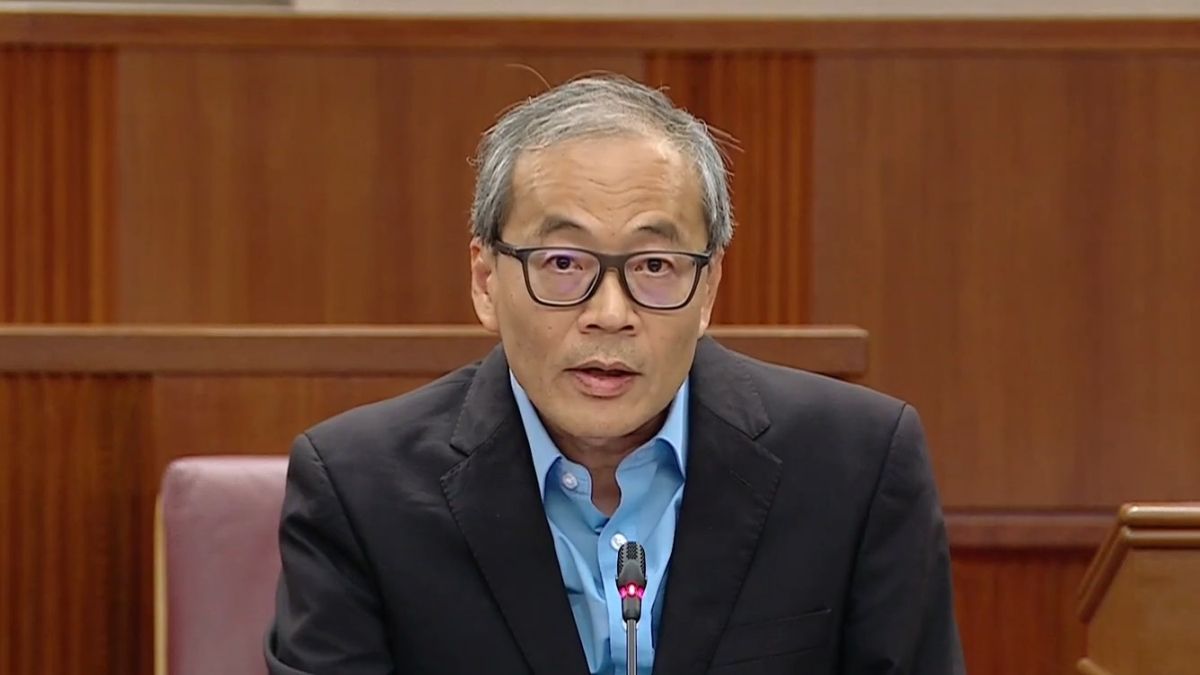
- Dennis Tan urged stronger environmental safeguards as Singapore accelerates its AI push.
- He called for a just transition for petrochemical workers and stronger EV support.
- He pressed for dental care integration into Healthier SG and insurance flexibility for seniors.

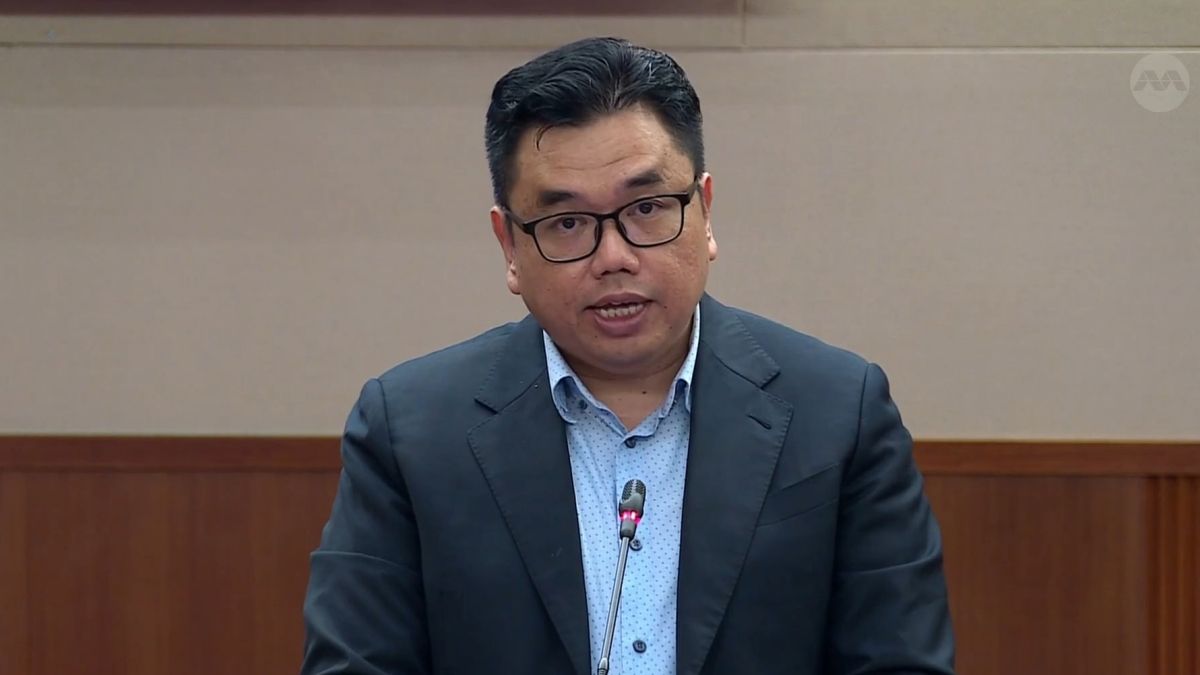
During the 24 February 2026 parliamentary debate on Budget 2026, Dennis Tan, Member of Parliament for Hougang SMC from the Workers’ Party, cautioned that Singapore’s aggressive artificial intelligence expansion must not undermine its green transition.
Speaking in the House, Tan welcomed the Prime Minister’s announcement of a National AI Council and sector-specific AI Missions.
However, he warned that the unseen environmental costs of AI must be addressed alongside economic ambitions.
Tan noted that during the 2025 Committee of Supply debate for the Prime Minister’s Office, he had raised concerns over the rising energy and carbon footprint of generative AI.
He said that indiscriminate adoption of large-scale models for minor tasks was a “luxury” that a carbon-constrained nation like Singapore could not afford.
While acknowledging the Government’s Green Data Centre Roadmap, he cautioned that AI adoption could outpace efficiency gains. He highlighted a potential “rebound effect”, where improved hardware efficiency justifies exponentially higher usage.
Tan argued that it was insufficient to rely solely on infrastructure standards such as the 1.25 Power Usage Effectiveness target under IMDA’s Data Centre – Call for Application framework.
He proposed software-level accountability, urging that AI projects receiving government funding prioritise smaller, task-specific models that consume less energy than general-purpose large language models.
Singapore, he added, must avoid becoming a destination for inefficient workloads migrating from jurisdictions with stricter environmental software regulations.
Data centres and grid pressures
Tan expressed concern that expanded data centre construction could enable operators to outcompete households and small businesses in electricity purchases.
With most low-carbon electricity import projects still in early development, green electricity remains limited in the coming years, he said.
He warned that households and smaller enterprises may remain exposed to volatility in global gas markets, especially amid geopolitical instability.
Comparing Singapore’s requirements with other advanced states, Tan pointed out that Ireland mandates 100 per cent onsite backup capacity and 80 per cent renewable matching for data centres, while Singapore’s current framework targets 50 per cent green energy.
He argued that developers benefiting from Singapore’s strategic location should contribute more actively to grid reliability and renewable capacity development.
Tan also called for clearer timelines regarding the Future Energy Fund and Singapore Energy Interconnections initiatives.
He added that if Singapore is to meet its Net Zero 2050 commitments, energy disclosures for large-scale AI developers should be mandated, similar to upcoming European Union regulations.
Climate adaptation and biodiversity
Turning to the broader green transition, Tan said climate policy must be transparent, inclusive and socially just.
He welcomed confirmation that Singapore’s inaugural National Adaptation Plan will be published in 2027 and incorporate the Belém Adaptation Indicators adopted at COP30.
Tan stressed that adaptation must go beyond engineering solutions. He urged stronger integration of biodiversity protection and poverty and livelihoods considerations into the national climate framework.
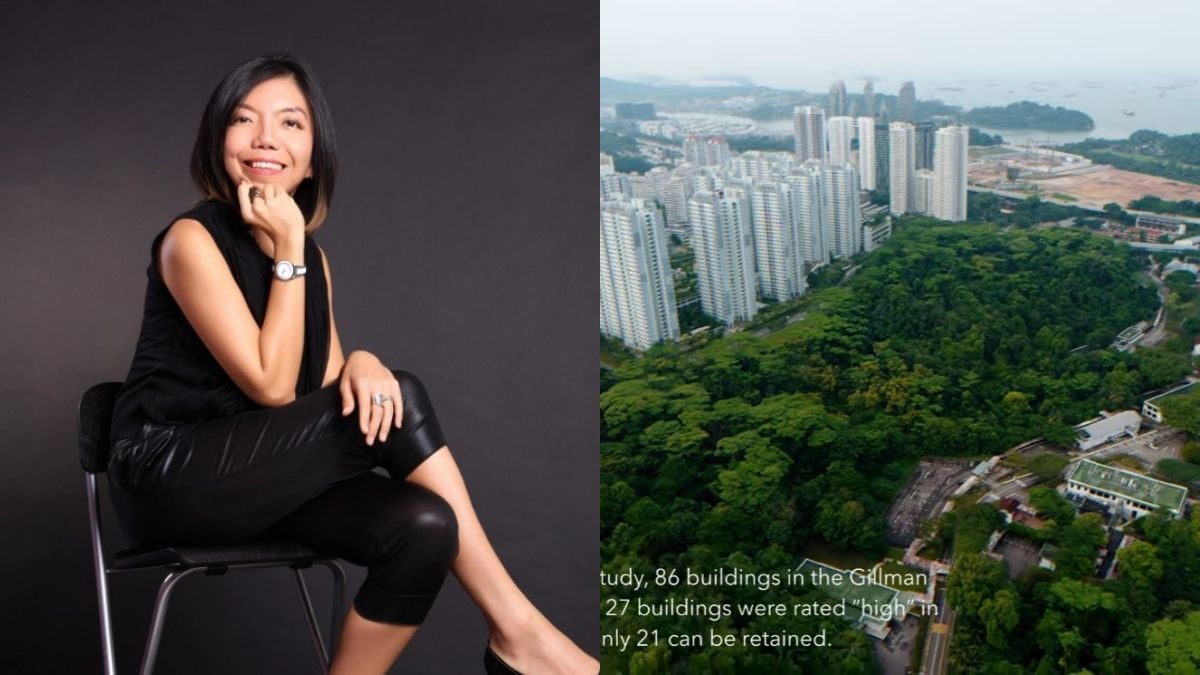
He advocated recognising existing forested sites as “Strategic Green Belts”, even if previously developed, arguing they offer superior heat mitigation compared with artificial parks.
Tan called for Mandatory Functional Assessments for all forested sites before development approval, to safeguard ecological resilience.
Just transition for petrochemical workers
Addressing industrial decarbonisation, Tan raised concerns over the sale of Shell’s assets, now known as the Aster Energy and Chemicals Park.
He questioned whether mandatory decarbonisation milestones were attached to existing leases, warning against the risk of Bukom becoming a “carbon haven”.
Referring to ExxonMobil’s October 2025 announcement of up to 500 retrenchments by 2027, Tan asked what retraining support was being provided to affected workers.
He proposed establishing a dedicated Just Transition Fund to support workers in the petrochemical sector as Singapore shifts away from fossil fuels.
Electrification of land transport
Tan also examined changes to vehicle policies announced in Budget 2026, including a 45 per cent reduction in PARF rebates and a lowered maximum rebate of S$30,000.
While the adjustments may nudge consumers towards electric vehicles (EVs), he cited the EY 2025 Mobility Consumer Index, which found 42 per cent of Singaporean buyers were concerned about battery replacement costs.
He noted that used EVs are taking longer to sell than internal combustion engine vehicles, following a reduction in the EEAI rebate cap to S$7,500 from 1 January 2026.
Tan urged the Government to study battery longevity concerns and strengthen consumer confidence.
He highlighted that motorcycle electrification remains at 0.2 per cent adoption and suggested upfront purchase incentives to accelerate transition.
He added that the S$40,000 Heavy Vehicle Zero Emissions Scheme, launched on 1 January 2026, may be underutilised without faster progress on hydrogen pilots and permanent battery swap licences.
Oral health and healthcare affordability
In healthcare, Tan reiterated his call to integrate dental care into Healthier SG.
While welcoming higher dental subsidies and expanded Flexi MediSave use for seniors aged 60 and above, he cited research from Duke-NUS Medical School showing nearly one-third of seniors had not visited a dentist in over five years.
He referenced comments by Associate Professor Rahul Malhotra, who noted many seniors seek dental care only when problems arise, missing preventive windows.
Tan also cited Singapore Dental Association President Dr Eugene Tang, who warned that poor oral health can lead to malnutrition, frailty and reduced muscle strength.
NHG Health data showed the proportion of hospital patients aged 65 and above at risk of malnutrition rose from 30 per cent in 2022 to 40 per cent in 2024.
Tan urged integration of dental services into Healthier SG’s preventive care framework.
He also called for harmonisation of subsidies for complex dental procedures referred to tertiary institutions, arguing seniors should not be financially penalised due to medical complexity.
Tan also proposed allowing CPF members who have met the Basic Healthcare Sum to retain excess MediSave funds in a dedicated insurance sub-account to pay Integrated Shield Plan premiums, amid rising co-payment caps from April 2026.