Singapore and Cambodia sign rice deal to strengthen food security amid global supply risks
Singapore and Cambodia sign a new rice trade agreement to secure food supply as geopolitical tensions and supply disruptions raise global food security concerns.

- Singapore and Cambodia signed a rice trade agreement to enhance food security cooperation.
- The deal ensures rice supply support during disruptions under mutually agreed terms.
- It forms part of Singapore’s broader Food Story 2 resilience strategy.

SINGAPORE: Singapore and Cambodia on 10 April 2026 signed an agreement to boost food security, according to the Ministry of Sustainability and the Environment (MSE).
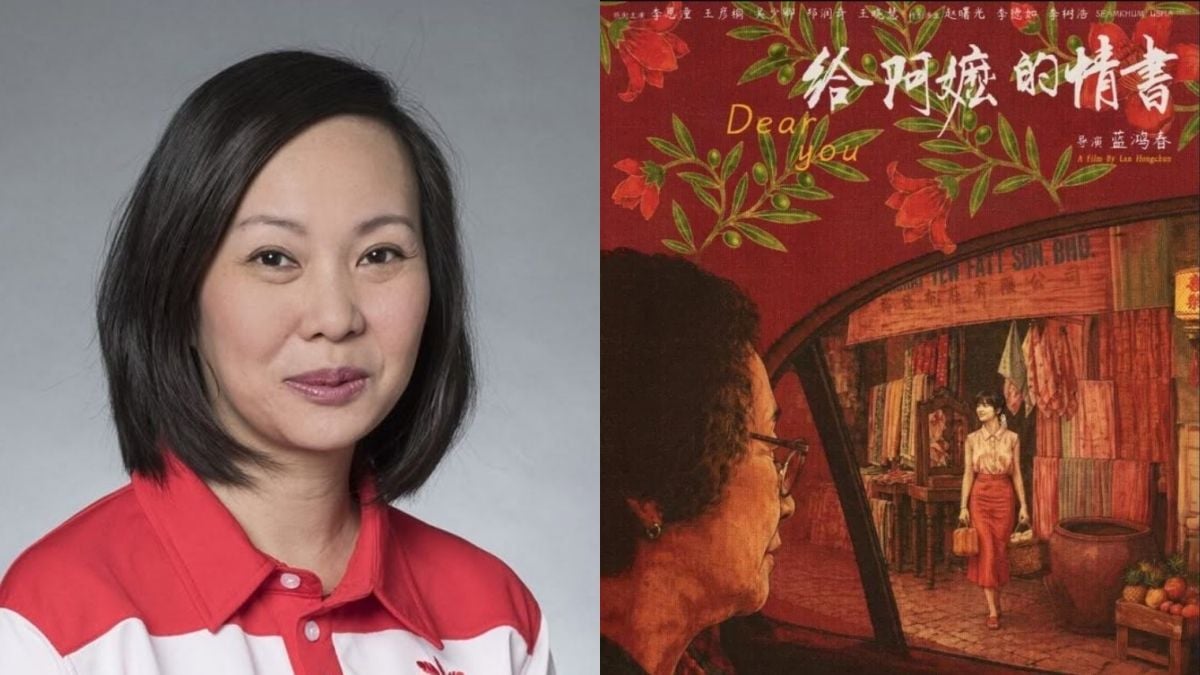
The memorandum of cooperation was signed by Minister for Sustainability and the Environment Grace Fu and Cambodia’s Minister of Commerce Cham Nimul.
The agreement reflects both countries’ commitment to strengthening food security and rice trade by keeping trade channels open and avoiding unnecessary restrictions.
Under the arrangement, Cambodia’s government will support the sale of rice on “mutually agreed terms” if Singapore formally requests supply.
This provides Singapore with an additional safeguard for its food imports, particularly during periods of global disruption.
The agreement marks Singapore’s third such rice trade partnership, following similar deals signed in 2025 with Vietnam and Thailand.
Rising global risks to food supply
The signing comes amid ongoing supply disruptions and geopolitical tensions linked to conflict in the Middle East, which have raised concerns over fuel costs and food availability.
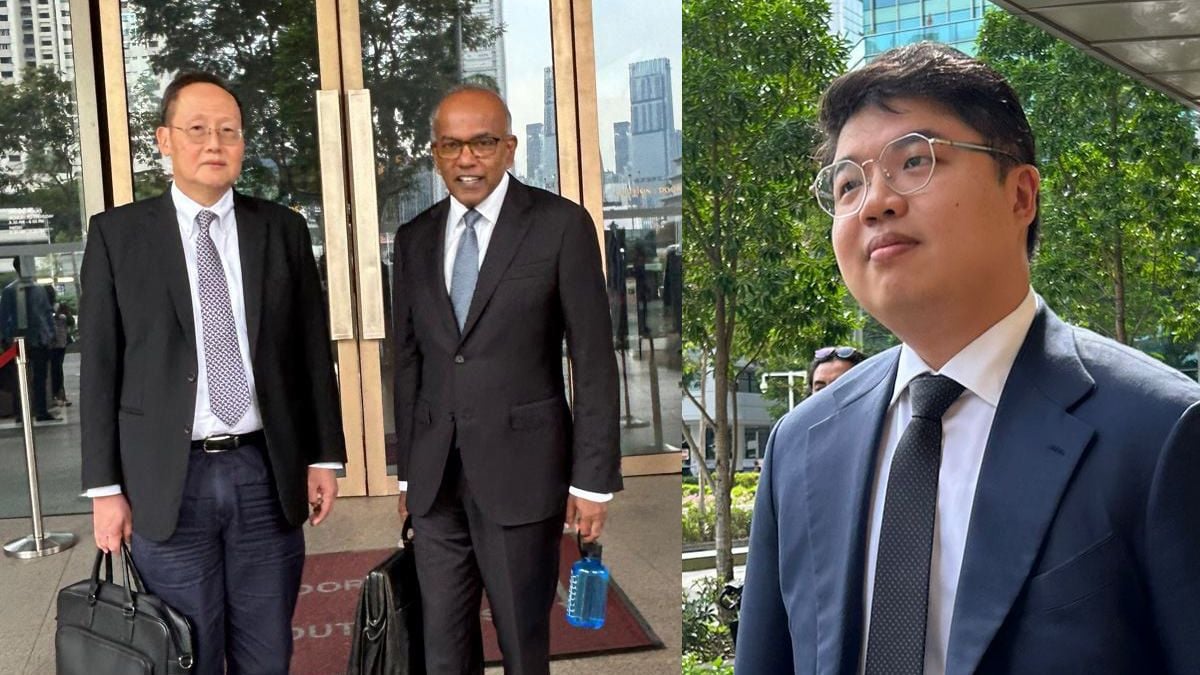
In Parliament earlier in the week, Coordinating Minister for National Security K Shanmugam warned that disruptions to gas supply due to the Gulf crisis would push up fertiliser costs.
This, in turn, is expected to raise prices for Singapore’s imported food products.
He added that Singaporeans should be prepared for some food items from certain countries to become temporarily unavailable.
“Ongoing geopolitical tensions increase the risk of global food supply disruptions,” said Fu, who also serves as Minister-in-charge of Trade Relations.
She described the agreement as “win-win” and said it “reaffirms the close cooperation between both countries in strengthening bilateral food trade and security”.
Part of broader food resilience strategy
MSE stated that such agreements are key initiatives under the global partnerships pillar of the Singapore Food Story 2 strategy.
These partnerships aim to ensure food supply continuity during disruptions by strengthening ties with reliable trading partners.
“Singapore will continue to explore mutually beneficial agreements with like-minded economies to strengthen our food supply resilience,” the ministry said.
The deals with Thailand, Vietnam and Cambodia collectively enhance Singapore’s ability to respond to an increasingly interconnected agri-food trade landscape.
Shift in local production targets
The agreement also aligns with Singapore’s updated domestic food strategy announced in November 2025.
The revised plan shifts away from the original “30 by 30” goal set in 2019, which aimed to produce 30 per cent of the nation’s nutritional needs locally by 2030.
Following a year-long review, the government adjusted its targets to focus on specific categories.
Under the updated framework, Singapore aims to produce 20 per cent of its fibre needs and 30 per cent of its protein needs by 2035.
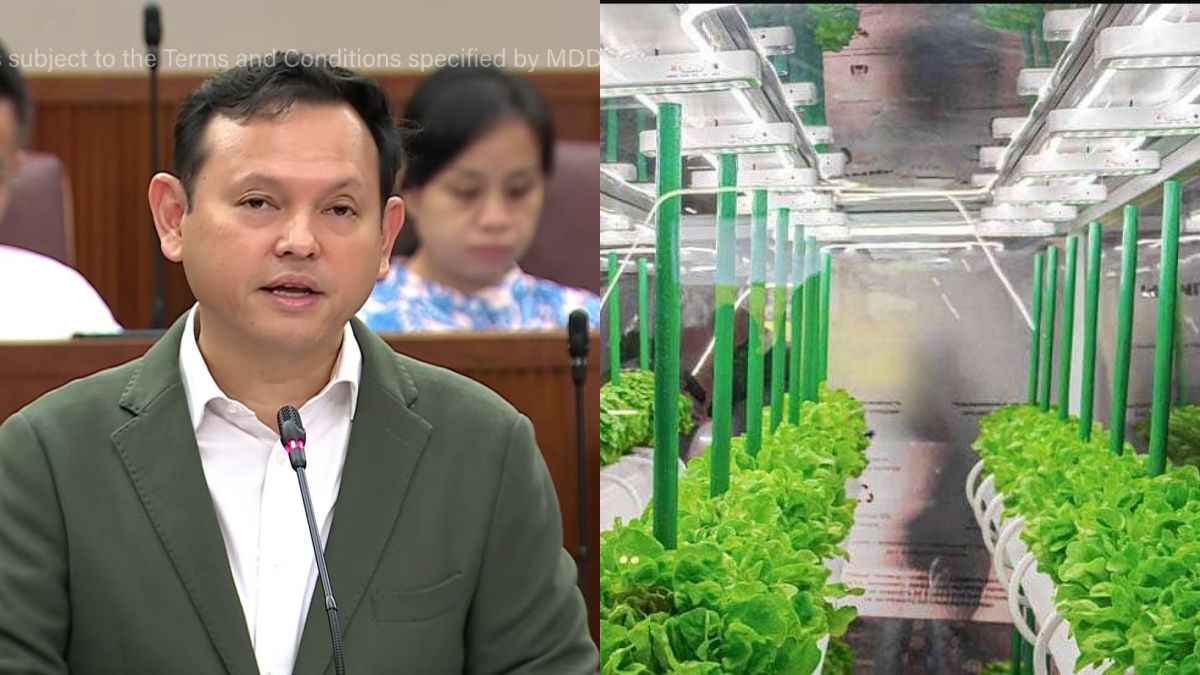
Zaqy Mohamad, Senior Minister of State for Sustainability and the Environment, told Parliament on 13 January 2026 that the revised targets balance ambition with realism.
He said the new approach reflects both the constraints and potential of Singapore’s agricultural sector.
The revised strategy, known as Singapore Food Story 2, is built on four pillars: grow local, diversify imports, stockpile, and build global partnerships.
For local production, farms are expected to supply 20 per cent of consumption of vegetables such as leafy greens, beansprouts and mushrooms.
They are also expected to meet 30 per cent of demand for eggs and seafood by 2035.
Zaqy described local production as a “regenerative and assured source of fresh food”, while noting the importance of aligning targets with sector capabilities.