Netizens say emotional moments do not address ground issues as PM Wong tears up at May Day Rally speech
Prime Minister Lawrence Wong became emotional at a May Day Rally while reading a repatriation account, drawing mixed reactions online as netizens praised resilience but questioned whether such moments address rising living costs and daily challenges.

- Lawrence Wong teared up reading a repatriation letter during the May Day Rally.
- Netizens praised resilience but highlighted frontline contributions and national unity.
- Others criticised emotional displays, urging focus on cost of living and policy issues.

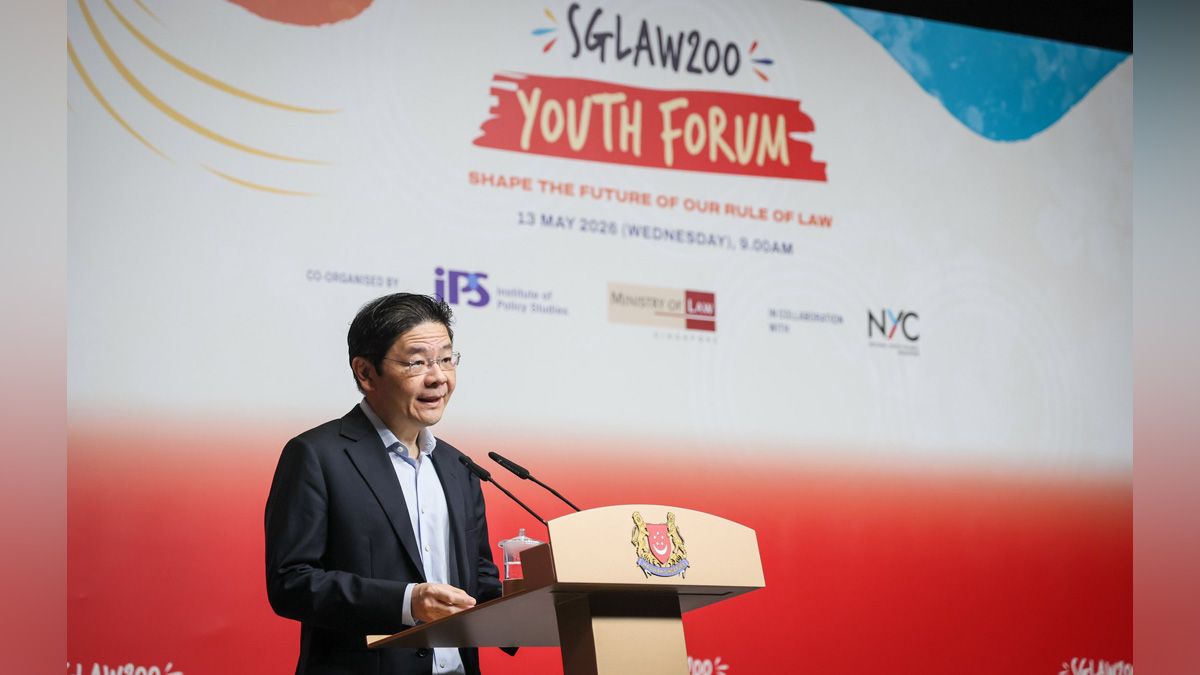
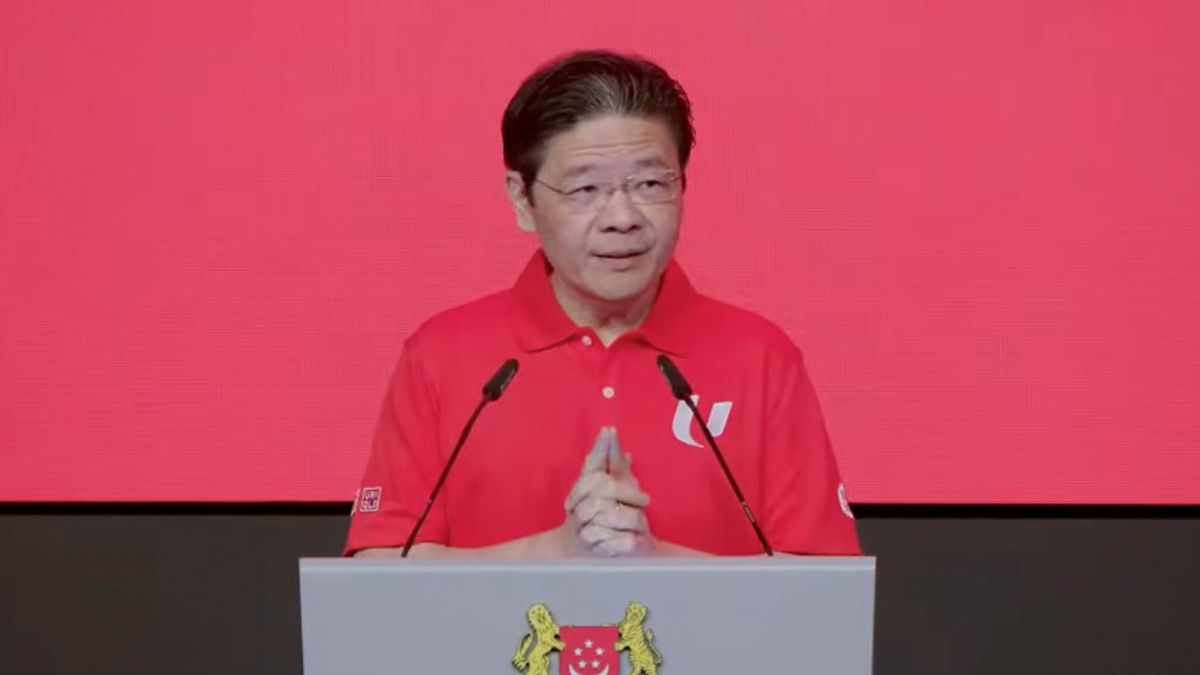
Prime Minister Lawrence Wong became visibly emotional during a May Day Rally speech, drawing applause at the event while prompting mixed reactions online, where netizens acknowledged Singapore’s crisis resilience but questioned whether such moments address pressing domestic concerns.
During the speech, Wong teared up while reading passages from a message written by a Singaporean who had been repatriated from the Middle East, as part of a government evacuation effort.
While many expressed pride in Singaporeans’ resilience abroad, others highlighted the need to recognise frontline personnel, including the Republic of Singapore Air Force (RSAF), for their role in crisis response.
At the same time, some netizens pointed to broader concerns, arguing that emotional moments do not address ground issues and urging Wong to place greater emphasis on practical challenges affecting everyday Singaporeans.
Emotional moment at May Day Rally
Wong appeared choked with emotion as he recounted a passage describing how passengers aboard the flight began singing the national anthem, “Majulah Singapura”, with others gradually joining in.
“It was one of those moments when you realise that home is not simply a place on the map,” Wong read. “It is something deeper — a shared identity, a sense of belonging and the knowledge that when something goes wrong, your country will come for you.”
He paused, wiping away tears, before continuing. The audience responded with applause as he leaned briefly on the rostrum to compose himself.
Moments later, he reiterated the government’s commitment to Singaporeans.
“Our solidarity is our greatest strength. It carried us through every storm of the past. It gives us confidence today. And it will carry all of us forward – into the future we are building together.”
Wong added that no Singaporean would be left behind, stating that the government would look after “our own” in times of crisis, including challenges such as energy disruptions and technological change.
The letter he read concluded with reflections on returning home.
“As the RSAF aircraft carried us home that night, the words ‘Welcome home’ meant something entirely new. They were not just a greeting,” the message read. “They were a promise. That wherever Singaporeans may be in the world, our nation will look after its own.”
The emotional account referenced a repatriation operation conducted in March 2026, when the Singapore Air Force flew 218 Singapore citizens and their dependants home from Riyadh following uncertainty linked to the Middle East conflict.
Wong, in his speech, highlighted the speed of the response. “When the Middle East crisis broke out and Singaporeans were stranded abroad, we acted quickly,” he told attendees at the rally.
Online reactions highlight resilience and recognition
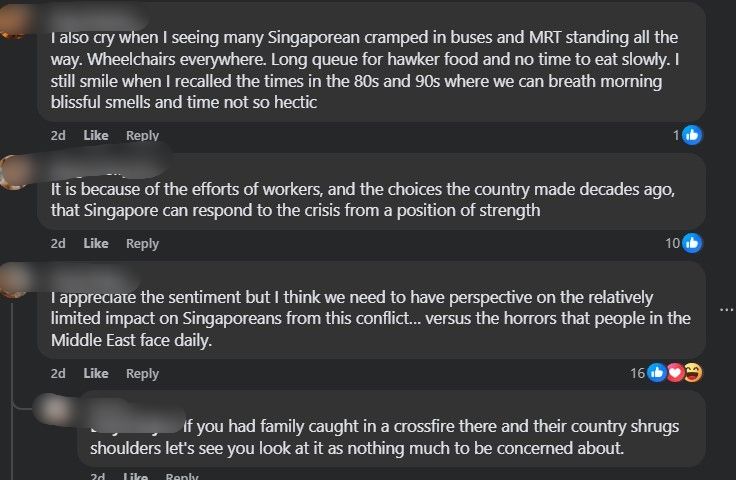
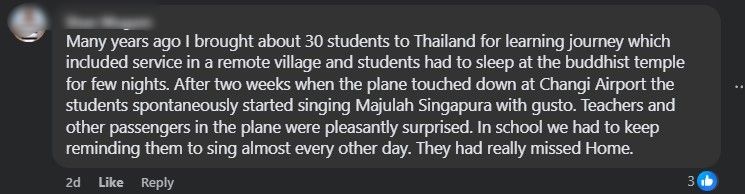
Following the speech, online discussions across platforms including Channel News Asia, The Straits Times and Mothership reflected a wide range of responses to the Prime Minister’s emotional display.
Many comments acknowledged the sense of empathy conveyed, viewing the moment as an example of the human side of leadership.
Others expressed pride in Singapore’s ability to respond effectively during crises, citing the repatriation effort as evidence of institutional strength.
A recurring theme in discussions centred on national resilience.
Netizens highlighted the role of ordinary Singaporeans, including workers and officers on the ground, in sustaining the country’s stability.
Several pointed to the contributions of frontline personnel, particularly the RSAF, calling for greater recognition of their role in ensuring the success of such operations.
Others emphasised that Singapore’s crisis response capacity reflects long-term foundations, including early nation-building decisions and the efforts of past generations.
References were made to pioneer and Merdeka generation Singaporeans, with some noting that past hardships had helped build trust in institutions and a collective willingness to work together.

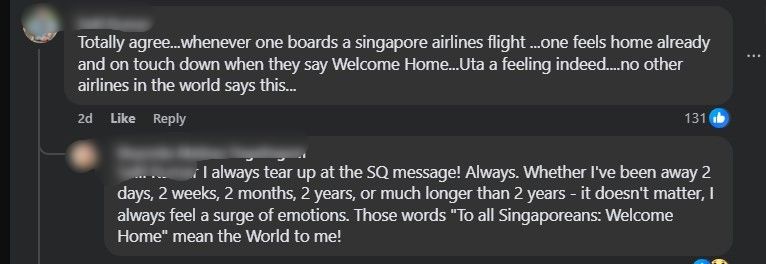

Personal reflections also featured prominently.
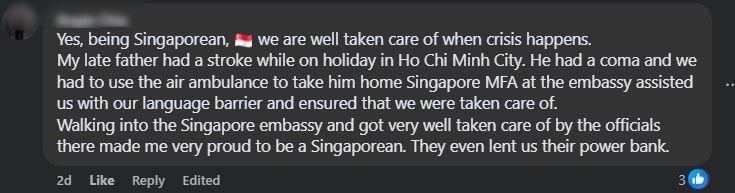
Some individuals shared experiences of receiving assistance from Singapore’s overseas missions, including embassy support and medical evacuations, describing such encounters as reinforcing their sense of national belonging.
Concerns over everyday challenges raised
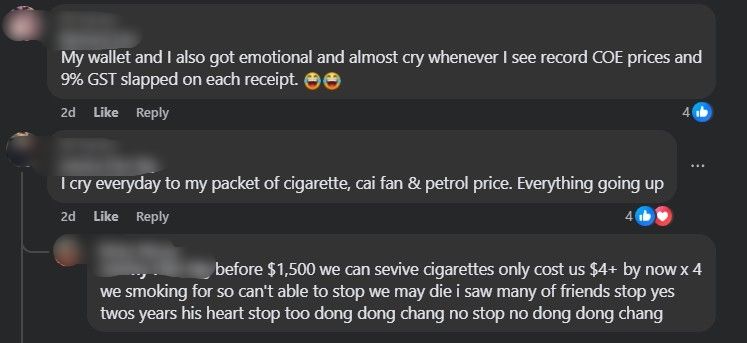
Alongside expressions of pride and empathy, some online responses raised broader concerns about whether emotional moments address the practical challenges faced by Singaporeans.
A number of commenters questioned the necessity of such displays, with some describing the moment as “political theatre” and suggesting it could be linked to electoral considerations or public image.
Others focused on issues affecting daily life, arguing that emotional expressions do not resolve ongoing financial pressures.
Rising living costs were frequently cited, including the impact of Goods and Services Tax (GST), as well as increases in fuel, food and housing prices.
Some comments urged Wong to place greater emphasis on these concerns, calling for policies that more directly address economic pressures experienced by households.
The discussion also expanded into broader issues such as job security and healthcare affordability.
Several participants in the online discourse linked their reactions to concerns about employment stability and the cost of living, suggesting that these remain pressing priorities.
Questions of national identity and demographic change were also raised. While some commenters expressed concern about feelings of alienation among Singaporeans, others argued that immigration remains necessary to offset low birth rates and sustain the country’s long-term economic and population needs.