MDDI signals more flexible approach to dialect films after Dear You appeals
Singapore's MDDI says IMDA will take a more flexible approach to screening dialect films in cinemas, following appeals over the Teochew film Dear You, which was dubbed into Mandarin for general release. The ministry reaffirmed Mandarin's role while affirming dialects as cultural heritage.
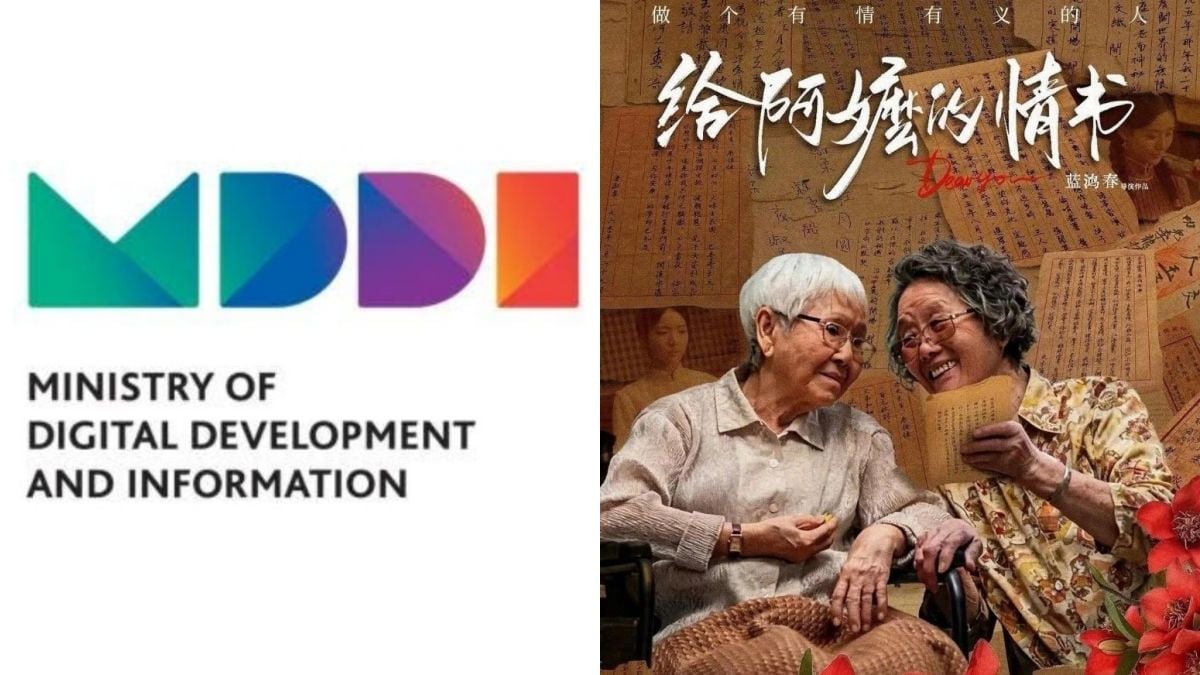
- MDDI says it will consider dialect films for freer cinema screening, citing public calls.
- Dear You was dubbed into Mandarin for general release, prompting appeals from film-makers.
- Additional Teochew screenings sold out within 1½ hours of tickets going on sale.

Singapore's Ministry of Digital Development and Information (MDDI) said the Infocomm Media Development Authority (IMDA) will take a more flexible approach in considering applications for dialect films to be screened in cinemas, in a statement issued on Monday, 22 June 2026.
The ministry said it had heard the calls for dialect films to be shown more freely in cinemas.
It noted that, under the current framework, applications must still be made for such screenings, but that these would now be considered more flexibly.
In the case of the Teochew film Dear You, MDDI said IMDA had supported eight additional screenings, on top of the initial ten Teochew sessions in cinemas. It said it remained open to facilitating further Teochew screenings should the distributor apply, in response to audience interest.
The statement marks a notable shift in tone. It followed days of public appeals from film-makers and others in Singapore's creative community over the handling of the film.
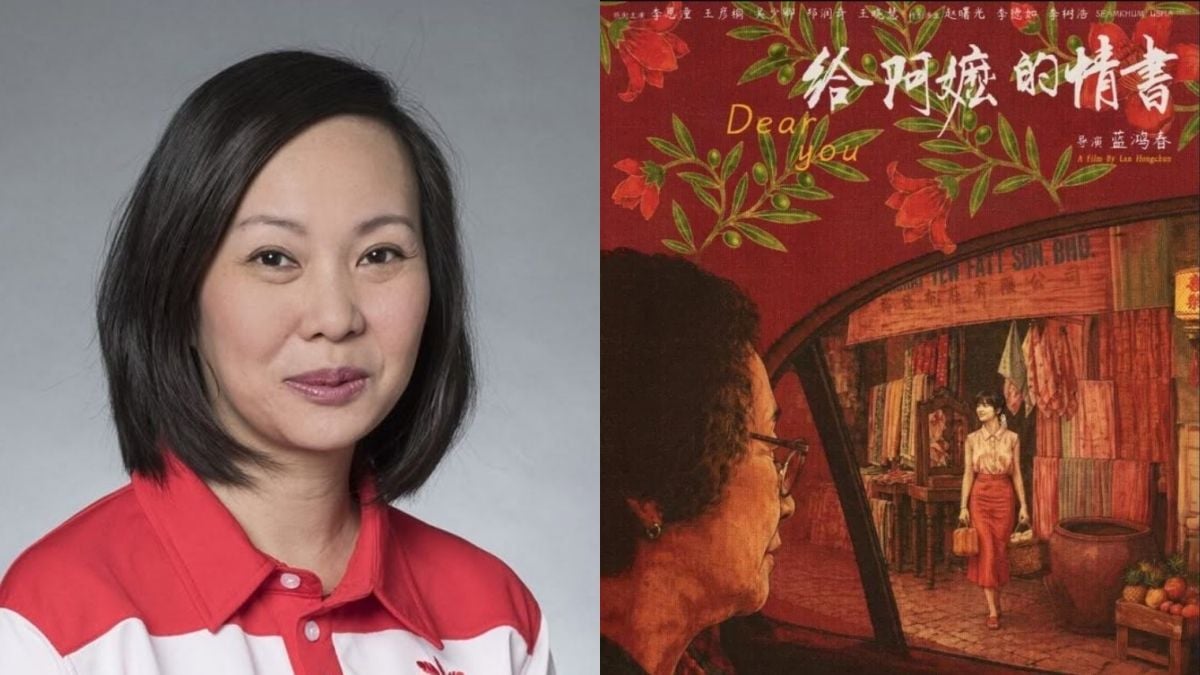
IMDA had earlier said, on Monday, 16 June 2026, that Dear You — shot almost entirely in Teochew — would be screened in a Mandarin-dubbed version for its general release in Singapore.
IMDA said the decision supported the bilingual policy, which aims to promote Mandarin as the main language among Chinese Singaporeans. Full dialect films could be screened at festival or niche events for those wishing to view the original.
The Teochew original premiered on Wednesday, 17 June 2026, at Sands Theatre, with the Mandarin-dubbed version opening for general release thereafter.
Mandarin role reaffirmed
In its statement, MDDI did not signal a departure from the bilingual policy. It said the longstanding policy of promoting Mandarin as one of Singapore's four official languages remained relevant.
The policy had strengthened Mandarin proficiency across generations and helped Chinese Singaporeans from different dialect backgrounds communicate, the ministry said. It described Mandarin as continuing to play an important unifying role.
At the same time, MDDI affirmed dialects as part of Singapore's cultural heritage, carrying traditions, stories and forms of expression that connected Singaporeans to their roots. It noted growing interest in dialects, including among younger Singaporeans.
The ministry said the Government already supported dialects in practical ways. These included communicating important public information in dialects, Mediacorp programmes for seniors, and arts and cultural productions.
MDDI said it welcomed efforts by community groups, clan associations and cultural practitioners to sustain interest in dialects. It said it would continue to engage stakeholders and keep its approach under review.
Strong demand for the original
Demand for the original version quickly became apparent. Cinema operator Golden Village (GV) screened eight sessions of Dear You in Teochew between 18 and 21 June. All 4,800 tickets sold out within two hours of their launch on 16 June.
On 19 June, GV announced eight additional Teochew screenings, held exclusively at GV VivoCity's GVMax between 25 and 29 June. The cinema said it had worked with the film's distributor, Clover Films, to request the sessions from IMDA.
Tickets for the additional screenings went on sale at 3pm on 22 June across GV box-office counters and online channels. They sold out within one and a half hours, with long physical and digital queues reported.
Appeals from the film community
The MDDI statement followed sustained commentary from film-makers.
On 19 June, The Straits Times published a letter from film-makers Eric Khoo, 61, and Jack Neo, 66, who hoped the authorities would set out a new direction beneficial to the industry's stakeholders.
Khoo and Neo wrote that screening a dialect film was no different from screening a French or Malay film.
They questioned why cinemas should continue to bear what they called an outdated policy, given that dialect content was already permitted on streaming platforms and aircraft.
Several other film-makers favoured the original version. Boo Junfeng, 42, who directed Sandcastle and Apprentice, said he would not watch the dubbed version, as it diminished the film's authenticity.
Boo, who is Hokkien, said the bilingual policy had served its purpose but it was time to move on. Watching films in their original Chinese dialects would not erode bilingualism, he said.
Film-maker Royston Tan, 49, said he intended to travel to Malaysia to watch the Teochew version. He said language was an important part of the story and he preferred to experience the film as intended.
Tan said the bilingual policy, while beneficial, had unintentionally contributed to the decline of dialects. Singapore should find a better balance between bilingualism and preserving its linguistic heritage, he added.
Kelvin Sng, 52, who directed The Fortune Handbook and King Of Hawkers, said his friends held mixed views. While he had no issue watching the film in Mandarin, he said language carried culture, emotion, rhythm and identity.
Producer Huang Junxiang, 38, whose credits include Tiong Bahru Social Club and Ramen Teh, said he would watch the Mandarin version begrudgingly. He said a dub removed the nuances of the actors' performances and the context of the Nanyang immigrant era.
Film-maker, cartoonist and lawyer Colin Goh, 55, who is Teochew, urged others on Facebook to watch the Teochew version rather than the dub. He described the film as a thoughtful and entertaining piece of work.
Background
The dubbing requirement is rooted in Singapore's bilingual policy and the 1979 Speak Mandarin Campaign, which sought to establish Mandarin as the common language among Chinese Singaporeans at the expense of dialects.
The appeals converged on a common point: that the original dialect was integral to the film, and that the requirement sat awkwardly with present-day Singapore. Several film-makers argued the policy had achieved its aims and should evolve.
MDDI's statement frames its move as greater flexibility within the existing framework rather than a removal of the application requirement, while presenting government support for dialects as something already under way.