MFA: Singapore assessing US invitation to join Trump-led “board of peace”
Singapore has confirmed it is assessing a US invitation to join President Donald Trump’s proposed “board of peace”, as global reactions remain mixed and questions persist over the body’s mandate and relationship with the UN.
- Singapore has received and is assessing a US invitation to join President Donald Trump’s proposed “board of peace”.
- The board would be chaired by Trump and include world leaders, with voting powers and paid permanent membership options.
- International reactions have been mixed, with some allies raising concerns about compatibility with the United Nations.

SINGAPORE: The Singapore government has received an invitation from the United States to join President Donald Trump’s proposed “board of peace” and is currently assessing it, the Ministry of Foreign Affairs (MFA) said on 20 January 2026.
In response to media queries, an MFA spokesperson confirmed the invitation and said discussions were ongoing.
“The Singapore Government has received an invitation from the US to join the Board of Peace and is currently assessing the invitation,” the spokesperson said.
Details of the initiative emerged after a draft charter for the “board of peace” was seen by news agencies on 19 January.
Membership terms and voting authority
According to the draft, the US has invited several world leaders, including Russian President Vladimir Putin, Hungarian Prime Minister Viktor Orban and Canadian Prime Minister Mark Carney.
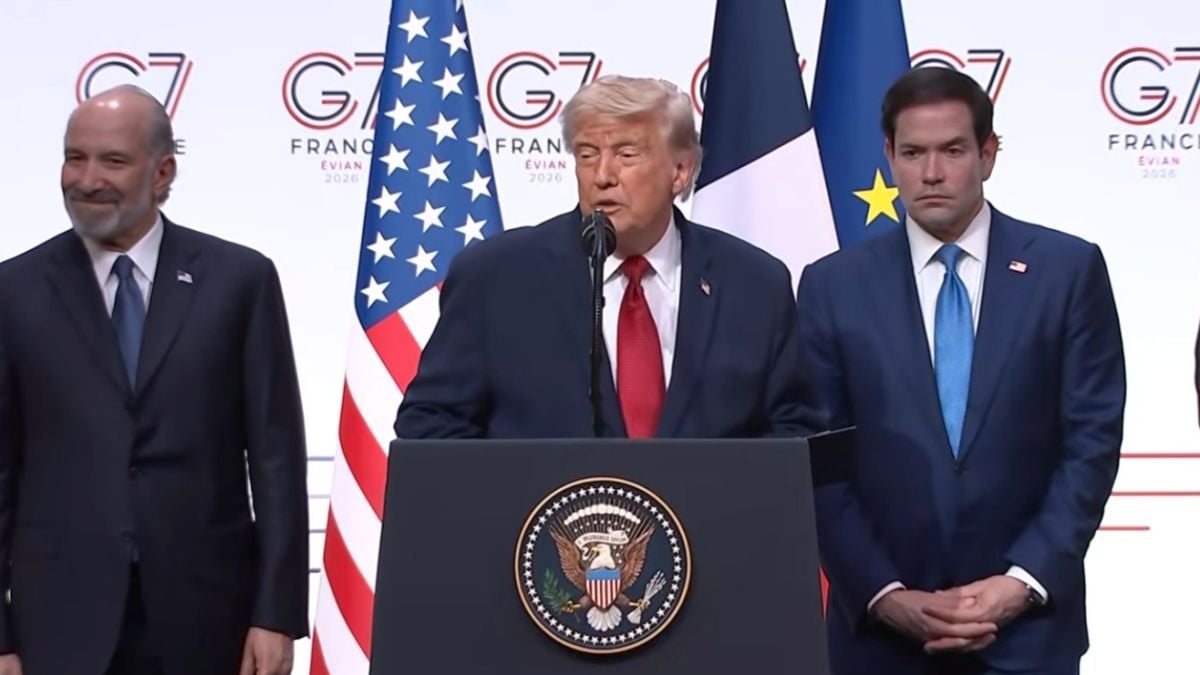
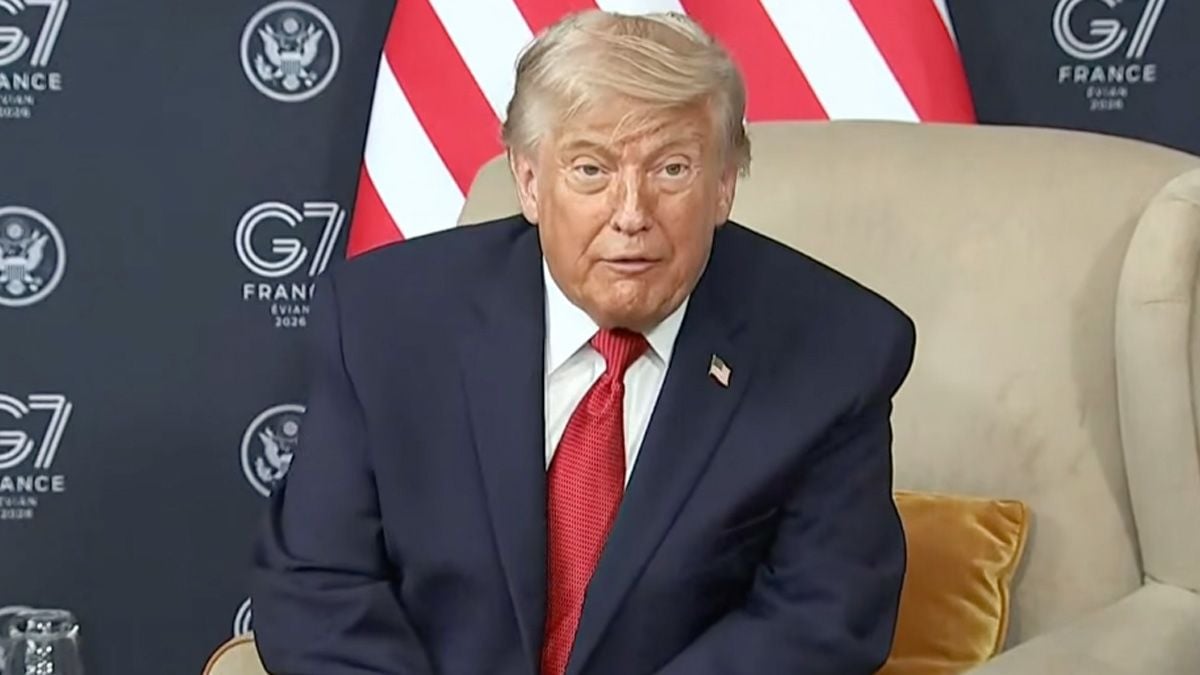
The board would be chaired by Trump, with member countries represented by their respective heads of state or government.
Membership would be for a three-year term, with permanent seats available only after a contribution of US$1 billion.
The charter states that the board will “convene voting meetings at least annually”, with each member state holding one vote.
Decisions would require a majority of members present and voting, but would also be subject to the approval of the chairman.
The chairman would be empowered to cast an additional vote in the event of a tie, giving the role substantial influence over outcomes.
US members of the board are expected to include Secretary of State Marco Rubio, special envoy Steve Witkoff and Jared Kushner.
Origins in Gaza reconstruction, broader mandate implied
The initiative was originally conceived to oversee the rebuilding of Gaza following the conflict there.
However, the draft charter does not appear to limit the board’s mandate strictly to the occupied Palestinian territory.
According to the White House, the structure would include a main board, a Palestinian committee of technocrats and a separate executive board.
The Palestinian committee would be tasked with governing Gaza during a transitional period, while the executive board would play an advisory role.
The charter describes the body as “an international organisation that seeks to promote stability, restore dependable and lawful governance, and secure enduring peace in areas affected or threatened by conflict”.
The Associated Press reported that the US is expected to announce the official list of members in the coming days.
The announcement is likely to take place during the World Economic Forum meeting in Davos, Switzerland.
Mixed international reactions from US allies
Initial reactions from some US allies have been cautious.
France and Canada, in particular, signalled reservations about the board’s scope and structure.
French Foreign Minister Jean-Noel Barrot said France could not accept the invitation at this stage.
Speaking during a parliamentary debate, he said the charter went beyond the scope of rebuilding and administering post-war Gaza as endorsed by the United Nations.
He added that participation would be incompatible with France’s international commitments, especially its membership in the UN.
France is one of the five permanent, veto-wielding members of the UN Security Council.
In Canada, a government source said Ottawa would not pay to be on the board.
The source added that Canada had not received any request for payment, after Prime Minister Carney indicated he would accept an invitation to join.
Morocco, however, confirmed that its king had accepted Trump’s invitation to become a founding member.
In a statement, Morocco’s foreign ministry said it welcomed the second phase of Trump’s comprehensive peace plan.
The ministry also expressed support for the creation of the National Committee for the Administration of Gaza as a temporary transitional body.
Germany said it was grateful for the invitation and would examine how it could contribute to a lasting resolution of the Gaza conflict.
A German government spokesperson said Berlin did not share concerns that the board might undermine the UN.
In Britain, Prime Minister Keir Starmer said the UK had signalled willingness to play a role in the second phase of a Gaza ceasefire.
According to Reuters, Israel and Poland have also been invited to join the board.
The breadth of invitations has fuelled debate about the body’s potential reach and authority.
A professor of international affairs told AFP that the offer of permanent membership for US$1 billion suggested a transactional approach.
He described it as an attempt to create a “pay-to-play alternative to the UN Security Council”, with Trump exercising sole veto power.
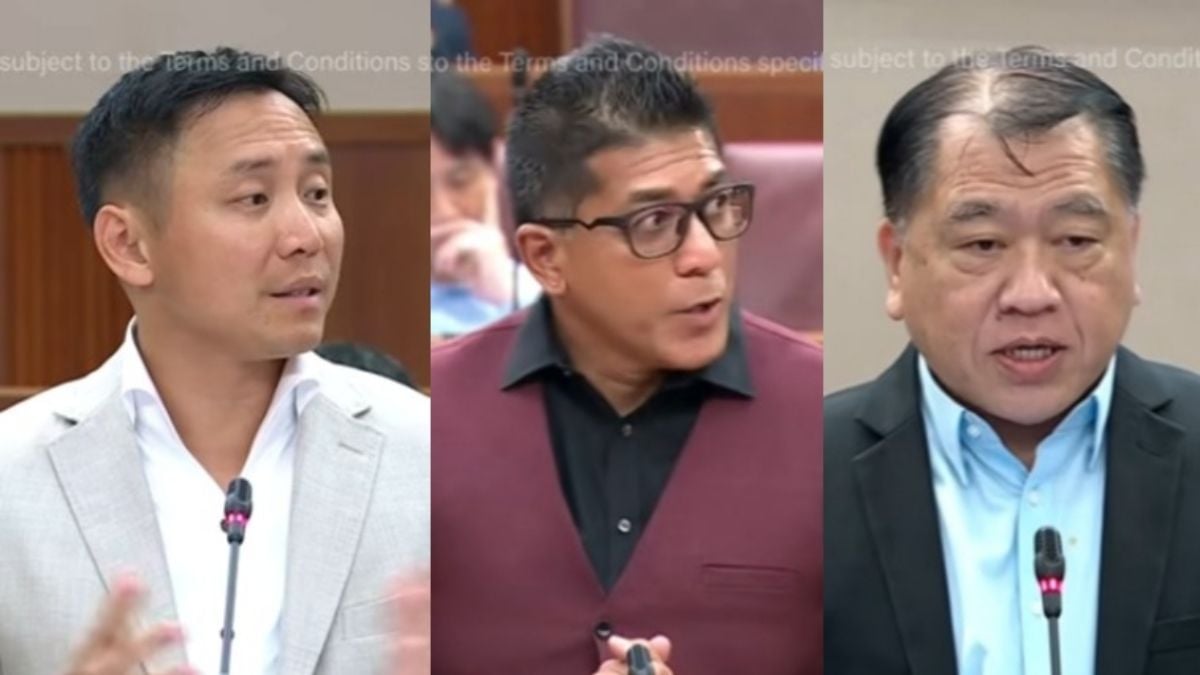
Singapore’s cautious stance is consistent with earlier comments by Foreign Affairs Minister Dr Vivian Balakrishnan.
Dr Vivian Balakrishnan: Singapore not campaigning to be on the "board of peace"
In October 2025, he said Singapore was not campaigning for a seat on the board.
“We are Singaporeans. Our approach is always to do more, say less, be quietly helpful and constructive,” he said in Parliament.
He added that Singapore would instead deepen its longstanding cooperation with the Palestinian Authority.
Dr Balakrishnan highlighted Singapore’s engagement through the Singapore Cooperation Programme and senior-level exchanges.
He said Singapore would customise assistance based on the Palestinian Authority’s priorities.
He described Singapore’s approach as understated, discreet and respectful.
Such a style, he said, was more appropriate than seeking formal positions on international boards.