Singapore air force repatriates 218 citizens from Middle East amid intensifying conflict
A Republic of Singapore Air Force flight carrying 218 citizens and dependents from the Middle East arrived safely on 11 March 2026. The mission follows airspace closures and flight suspensions caused by escalating military strikes between the United States, Israel, and Iran.
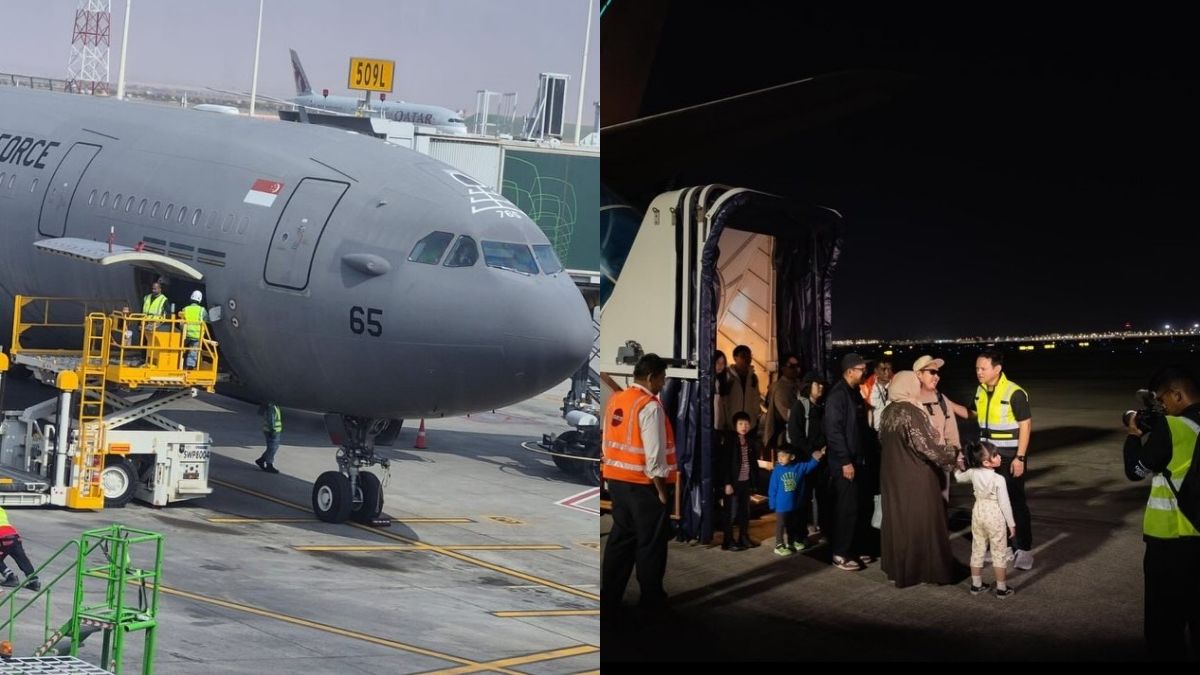
- An RSAF A330 Multi-Role Tanker Transport landed in Singapore at 6:02 am on 11 March 2026 with 218 evacuees from across the Gulf region.
- Prime Minister Lawrence Wong confirmed the military deployment was necessary due to the suspension of commercial flights and widespread airspace closures.
- The evacuation coincides with the most intense day of aerial bombardment in the conflict to date, with the United States and Israel striking targets inside Iran.

A Republic of Singapore Air Force (RSAF) A330 Multi-Role Tanker Transport (MRTT) arrived at Changi Air Base at 6:02 am on 11 March 2026. The aircraft carried 218 Singaporeans and their dependents who were evacuated from several countries across the Middle East.
The Ministry of Defence (MINDEF) confirmed this was the third repatriation flight organised to assist citizens in Bahrain, Kuwait, Qatar, and Saudi Arabia. Commercial travel options in the region have become severely restricted as military hostilities continue to expand.
A second RSAF MRTT mission to Riyadh is currently being finalised for 12 March 2026. This follow-up flight aims to support the assisted departure of remaining Singaporeans who have sought government intervention to return home safely.
On 7 March, 152 Singaporeans and their dependants arrived in Singapore from Muscat, Oman, on the first repatriation flight. A second repatriation flight organised by MFA from Muscat brought home another 167 Singaporeans and their dependants on 8 March.
In a statement released by the Ministry of Foreign Affairs (MFA), Ambassador to the Kingdom of Saudi Arabia S. Premjith explained that the embassy originally utilised commercial routes. However, recent flight suspensions necessitated an alternative military extraction.
Ambassador S. Premjith noted that the operation required meticulous coordination to ensure safe passage through volatile regional airspace. He emphasised that every detail of the flight plan was reviewed to mitigate risks to the passengers and crew.
Prime Minister Lawrence Wong expressed his gratitude to the Kingdom of Saudi Arabia and regional partners for facilitating the mission.
He noted that while commercial flights were preferred, certain locations had become entirely inaccessible to civil aviation.
The Prime Minister urged Singaporeans remaining in the Middle East to stay vigilant and maintain contact with MFA via e-registration.
He stressed the importance of community support among those still residing in the affected territories.
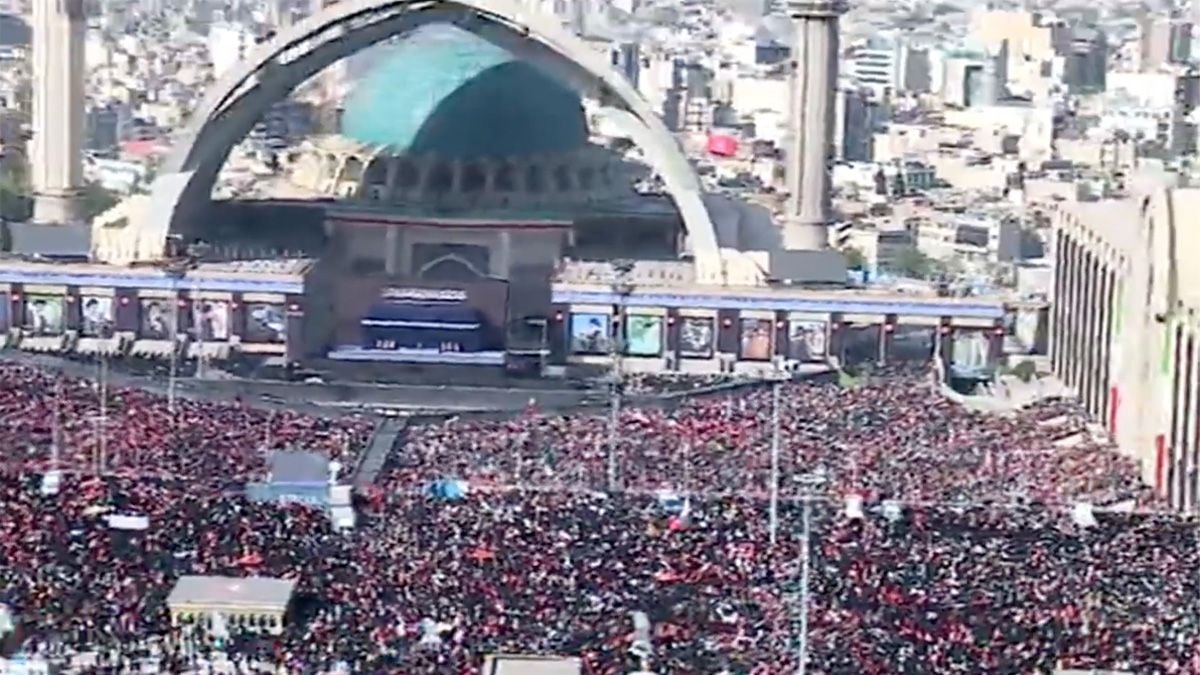
The evacuation comes as the security situation in the Middle East deteriorated sharply on 10 March 2026.
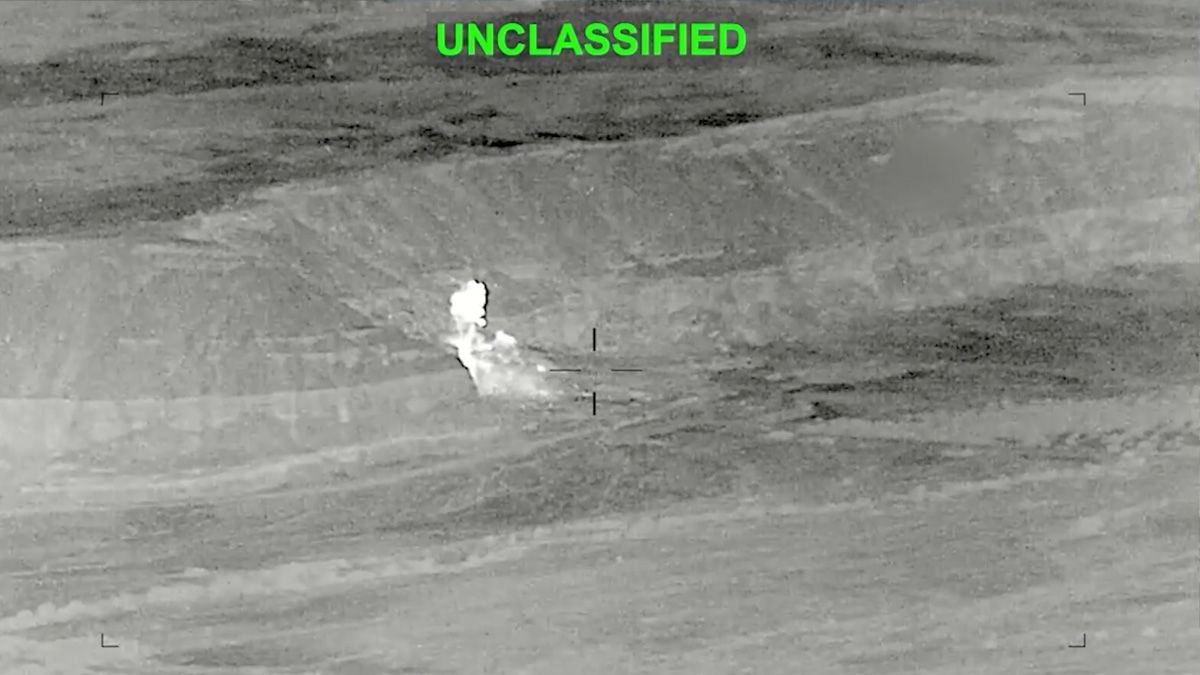
The United States and Israel launched what have been described as the most intense air strikes of the war so far.
United States Defence Secretary Pete Hegseth told a briefing at the Pentagon that the strikes inside Iran involved a record number of bombers and refined intelligence. He characterised the day as the most significant offensive since the start of hostilities.
Despite the escalation, United States President Donald Trump suggested to reporters that the conflict would be resolved quickly. He described the military action as a short-term excursion and claimed that objectives were already being met.
In response, Iranian Foreign Minister Abbas Araghchi dismissed claims of a swift conclusion during an interview with PBS News. He stated that Iran is prepared to continue missile attacks for as long as necessary.
The Iranian Revolutionary Guards issued a separate statement asserting that they would determine the end of the war, not Washington.
This rhetoric has further diminished hopes for a diplomatic resolution in the immediate future.
Minister Abbas Araghchi ruled out further negotiations, citing a lack of trust following strikes on 28 February 2026.
Those attacks occurred while indirect talks were reportedly making progress in Oman, a key regional mediator.
The air strikes on 10 March 2026 have impacted global markets, which had previously anticipated a de-escalation. The intensity of the bombardment suggests a shift toward a more protracted and destructive phase of the conflict.