Thailand lodges formal protest with Iran over cargo ship attack
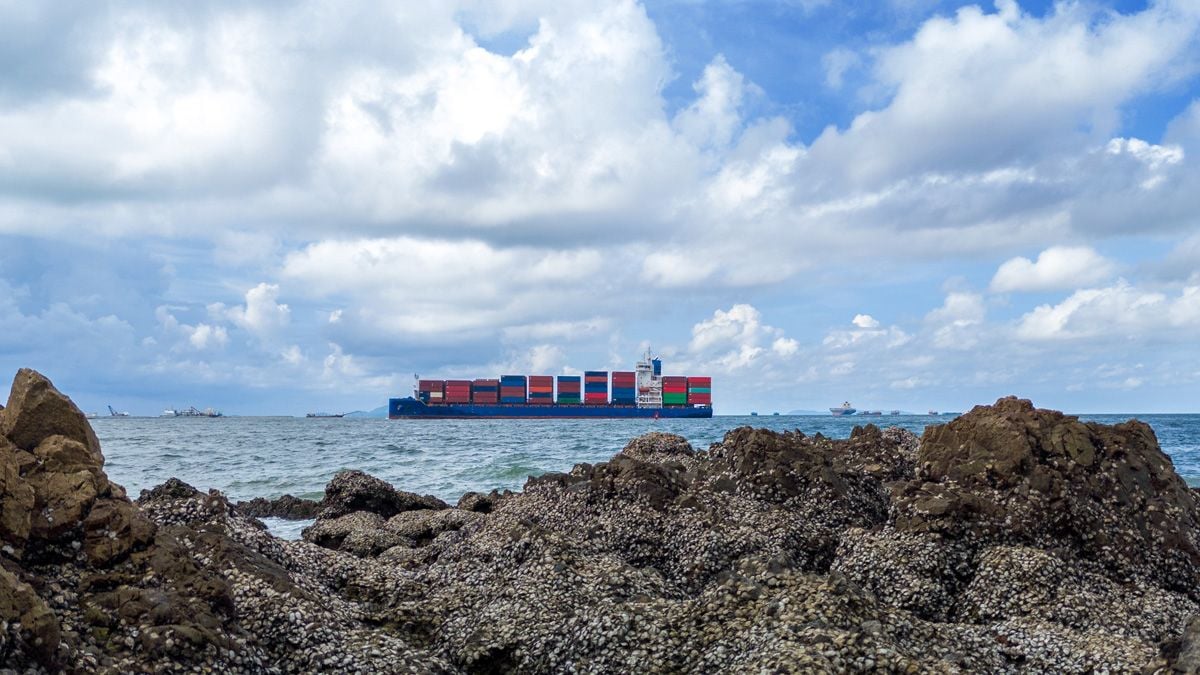
Thailand has issued a formal protest to Iran following an attack on the Thai-flagged vessel Mayuree Naree in the Strait of Hormuz. The incident involved 23 Thai crew members amidst escalating regional conflict and rising global oil prices.

- Thailand demanded a formal apology and factual clarification from Iran following the attack on the Mayuree Naree.
- The United Nations Security Council adopted Resolution 2817 (2026) condemning Iranian attacks on seven neighbouring nations.
- Global oil prices spiked by 9% as Iran threatened to maintain a blockade of the strategic Strait of Hormuz.

BANGKOK, THAILAND: The Royal Thai Government has lodged a formal protest with the Islamic Republic of Iran following a violent attack on a Thai-flagged cargo vessel.
The incident occurred in the Strait of Hormuz, a critical maritime chokepoint currently embroiled in regional hostilities.
Deputy Permanent Secretary for Foreign Affairs Sirilak Niyom convened a meeting with the Iranian Ambassador to Thailand, Nassereddin Heidari, on 12 March 2026. During this session, Niyom expressed Thailand's strongest protest regarding the damage sustained by the Mayuree Naree.
The vessel was targeted after departing Khalifa Port in the United Arab Emirates.
The Ministry of Foreign Affairs (MFA) confirmed that 23 Thai crew members were on board during the assault.
No fatalities were immediately reported among the Thai nationals.
Thailand has requested that Iranian authorities issue a formal statement of apology.
Furthermore, Niyom demanded that Tehran provide a transparent clarification of the facts surrounding the interception and subsequent damage of the civilian ship.
Ambassador Heidari expressed regret over the incident during the meeting.
He informed the Thai delegation that he would transmit the formal protest to his capital for further consideration by the Iranian leadership.
The diplomatic friction coincides with a dramatic escalation in Middle Eastern maritime instability.
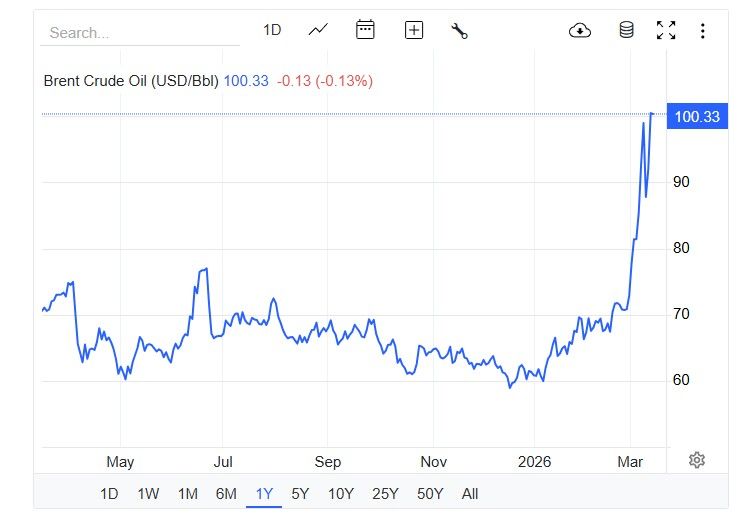
On 12 March, Brent crude futures rose by 9.2% to settle at US$100.46 per barrel, marking a four-year high for the commodity.
Market volatility followed a declaration by Iran’s Supreme Leader to keep the Strait of Hormuz closed.
This maritime corridor is essential for global energy supplies. Iran has reportedly intensified attacks on oil and transport infrastructure throughout the region.
International pressure on Tehran mounted on 11 March when the United Nations Security Council (UNSC) adopted Resolution 2817 (2026). The resolution, led by Bahrain, condemned Iranian attacks on seven regional neighbours and demanded a cessation of hostilities.
The resolution received 13 votes in favour, with China and the Russian Federation abstaining.
According to UN records, 135 member states co-sponsored the measure, representing a significant display of multilateral opposition to the ongoing military escalations.
The current conflict originated on 28 February 2026 following airstrikes by Israel and the United States (US) against Iranian targets. The war has since expanded to involve nearly a dozen nations across the Middle East.
Iranian Ambassador to the UN Amir-Saeid Iravani dismissed the resolution as a manifest injustice. Iravani claimed that Iran is the victim of aggression, citing 1,348 civilian deaths and over 17,000 injuries since the initial strikes on 28 February.
Amidst the violence, Niyom urged all parties to exercise maximum restraint. She emphasised that the highest priority must be given to the safety of civilian lives. Thailand has called for a swift return to diplomatic negotiations.
Despite the protest, Niyom thanked the Iranian government for facilitating the evacuation of Thai nationals on 7 March and 10 March 2026. These operations were completed successfully, though some Thai students remain in the country.
The Deputy Permanent Secretary requested that Iranian authorities continue to guarantee the safety of those students remaining in Iran. Thailand remains deeply concerned by the worsening security situation and its impact on international shipping routes.