Kenneth Tiong files PQ asking if Singapore will abolish Mandarin-only film rule for dialect releases
Workers’ Party MP Kenneth Tiong has filed a parliamentary question asking whether Singapore will abolish guidelines requiring Chinese films for general release to be in Mandarin and allow dialect films with subtitles.
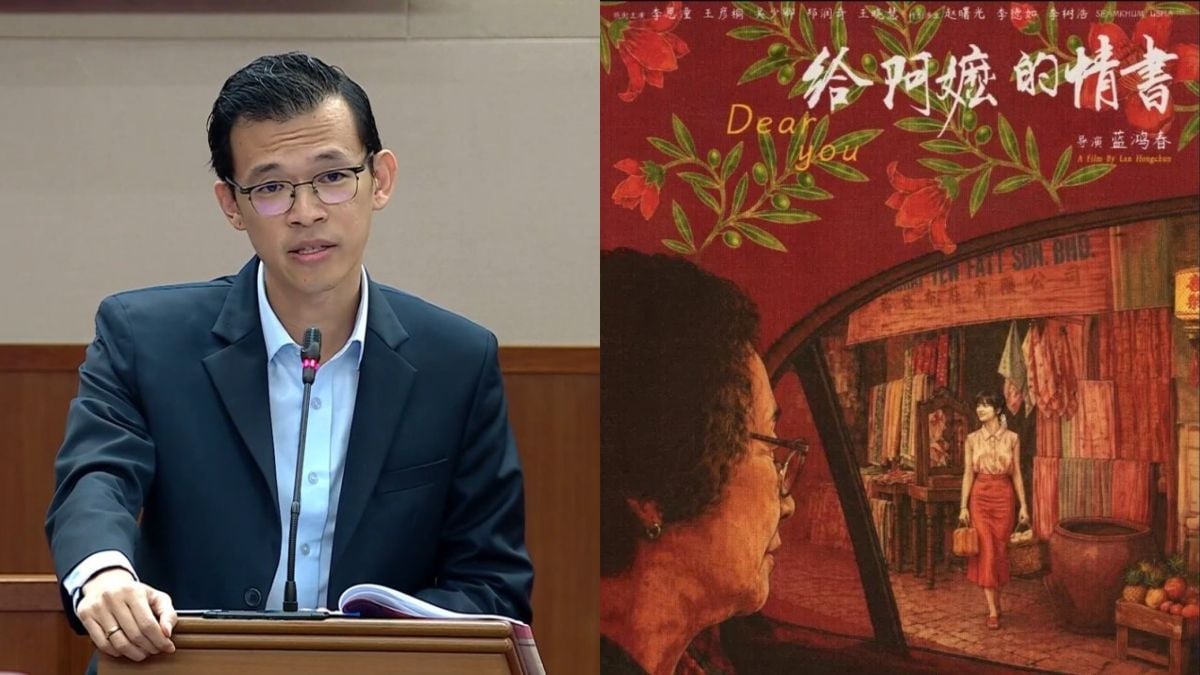
- Kenneth Tiong asked whether dialect films can be screened in their original languages with subtitles.
- IMDA has indicated greater flexibility after demand surged for Dear You’s Teochew screenings.
- MPs and filmmakers highlighted dialects as important parts of Singapore’s cultural heritage.

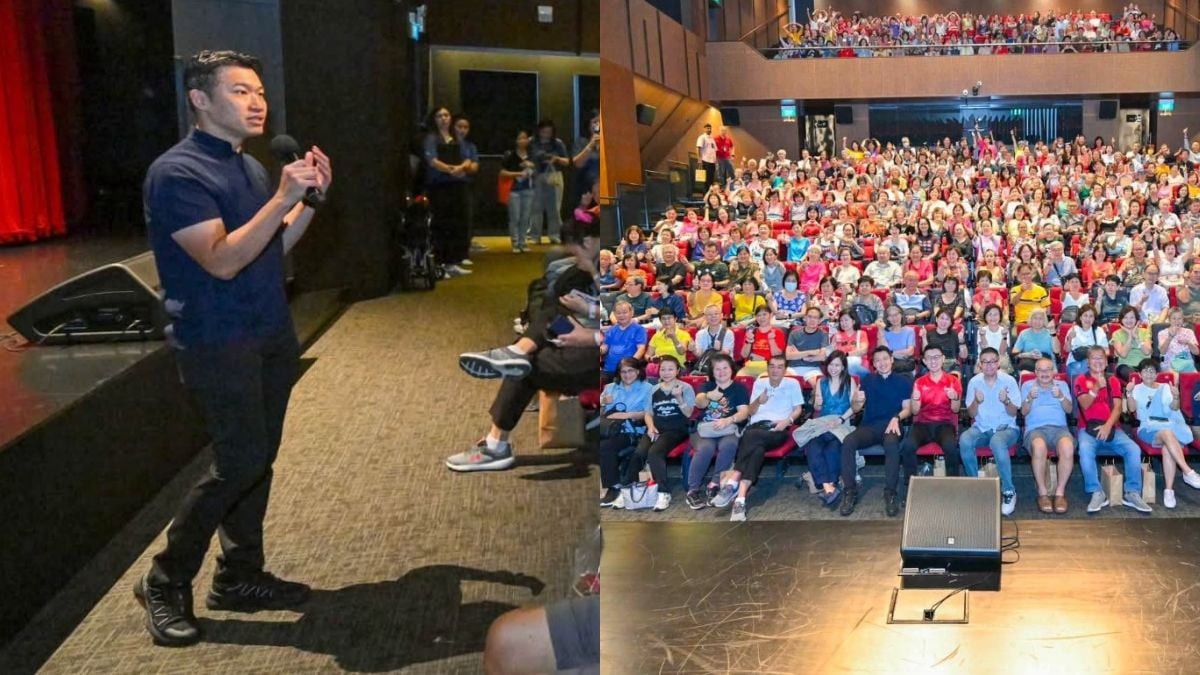
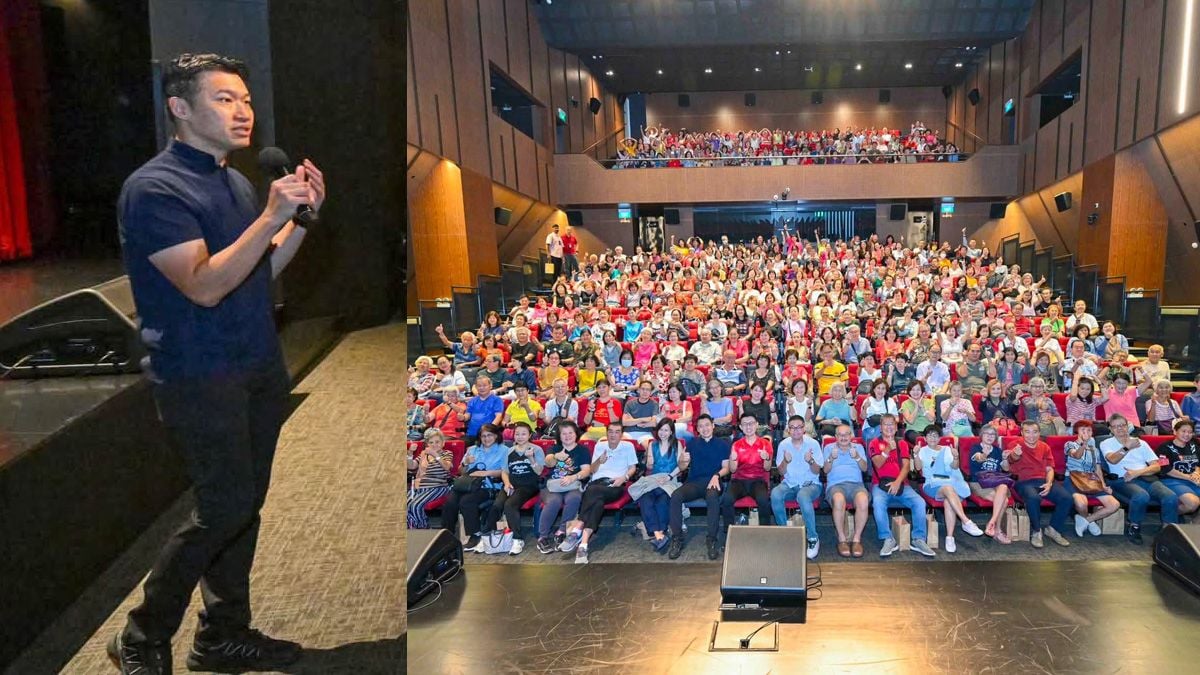
SINGAPORE: Workers’ Party Member of Parliament Kenneth Tiong has filed a parliamentary question asking whether the Ministry of Digital Development and Information (MDDI) will abolish the guideline requiring Chinese films for general release in Singapore to be in Mandarin and allow dialect-language films to be screened in their original dialect with subtitles.
Tiong, the Aljunied GRC MP, raised the issue following public debate over Dear You, a Teochew-language film that was released in Singapore with Mandarin dubbing for general cinema screenings.
In a Facebook post on 24 June 2026, Tiong said the attention surrounding the film had prompted questions over whether the long-standing justification for the guideline, linked to the Speak Mandarin Campaign, remained relevant today.
He noted that Dear You, a film about the Nanyang migrant generation and shot almost entirely in Teochew, had recently been placed in the spotlight because of discussions surrounding its Mandarin-dubbed release.
Tiong said the proportion of households speaking dialects at home had fallen below 12 per cent, and questioned whether concerns about dialect films affecting Mandarin usage continued to apply.
“While some still worry that dialects will crowd out Mandarin, I’ve watched 25 years of subtitled Japanese anime and still can't string a Japanese sentence together,” he said.
Tiong added that “one subtitled Teochew film isn't going to undo anyone's Mandarin”.
IMDA signals more flexible approach
MDDI had earlier said on 22 June that the Infocomm Media Development Authority (IMDA) would take a more flexible approach when considering applications for dialect films to be screened in cinemas.
The ministry said it remained open to facilitating and supporting further Teochew screenings should Dear You’s distributor apply, citing public interest in the production.
Following the statement, Singapore distributor Clover Films applied for approval to hold up to 50 Teochew-language screenings in Singapore.
The application came amid weeks of discussion over language policies governing commercial cinema releases and growing public interest in watching the film in its original language.
Tiong acknowledged that IMDA had signalled greater flexibility but said the authority had not committed to abolishing the guideline itself.
“I’m incredibly glad that new screenings in the original Teochew have been added, and I hope more people get a chance to catch it before 29 June,” he said.
However, he argued that the discussion should extend beyond a single production.
“I’d like to see Hokkien, Cantonese, Hakka, Hainanese, Foochow, and Henghua films, among others. Every community should be able to watch its own stories told here, in their original tongue,” Tiong said.
MPs raise questions over dialect film policy
Tiong was not the only MP to raise questions over the treatment of dialect-language films.
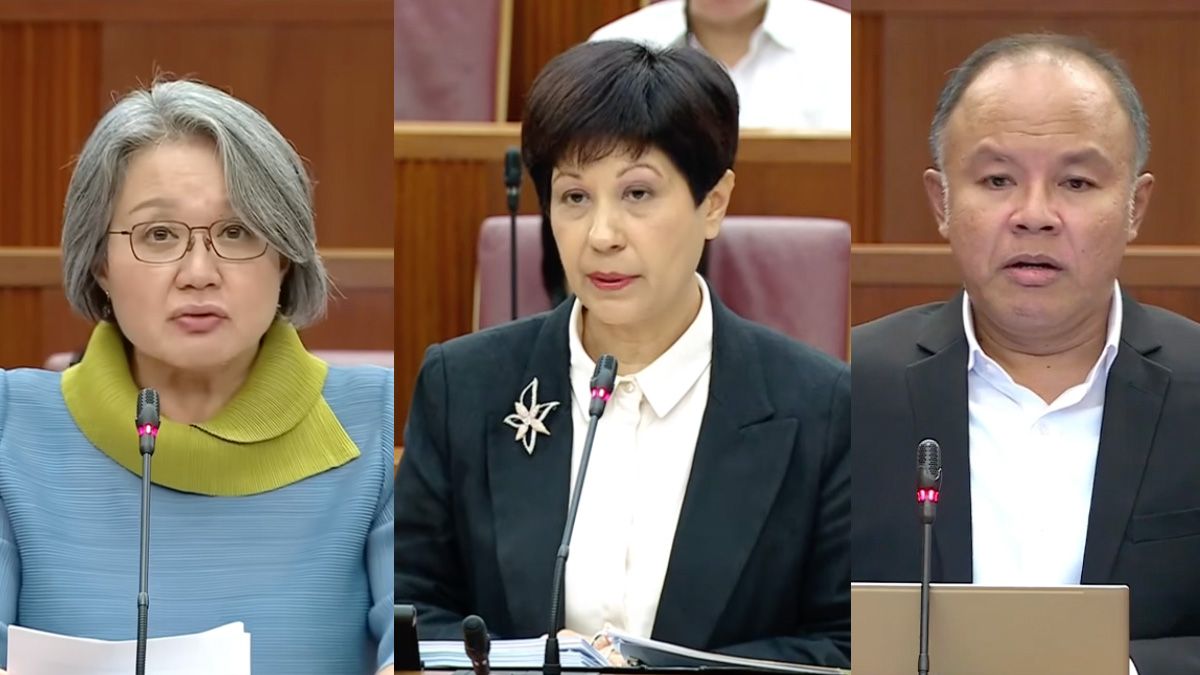
Cai Yinzhou, MP for Bishan-Toa Payoh GRC from the ruling People’s Action Party, filed a parliamentary question for the 7 July sitting seeking clarification on IMDA’s decision regarding the Mandarin dubbing of Dear You.
Cai asked what factors IMDA considered when deciding that the film should be dubbed into Mandarin for general screening instead of being shown in its original Teochew language.
He also asked whether heritage and cultural preservation value formed part of the authority’s assessment and whether greater weight would be given to such considerations in future evaluations.
Dennis Tan renews call to preserve Chinese dialects
Hougang SMC MP Dennis Tan had earlier spoken on the issue, calling for greater efforts to preserve Chinese dialects.
Tan described dialects as an integral part of Singaporean Chinese cultural identity and said they remained commonly used in some communities.
“In Hougang SMC, dialect has often been the language many residents use,” he wrote.
He noted that Teochew and Hokkien greetings remained common in neighbourhood coffee shops and that some Meet-the-People Session cases were conducted entirely in dialect.
Tan also highlighted concerns over declining dialect usage among younger generations.
“Unfortunately, fewer younger Chinese Singaporeans know or use dialects,” he said.
“To lose it would mean losing not just a way of speaking, but a way of remembering, the culture, customs and food that come bundled together with the dialect itself.”
He added that Chinese dialects, including Teochew, Hokkien, Cantonese, Hakka and Hainanese, were “living, breathing repositories of our forefathers’ journeys, customs, and identity”.
Demand for original Teochew screenings
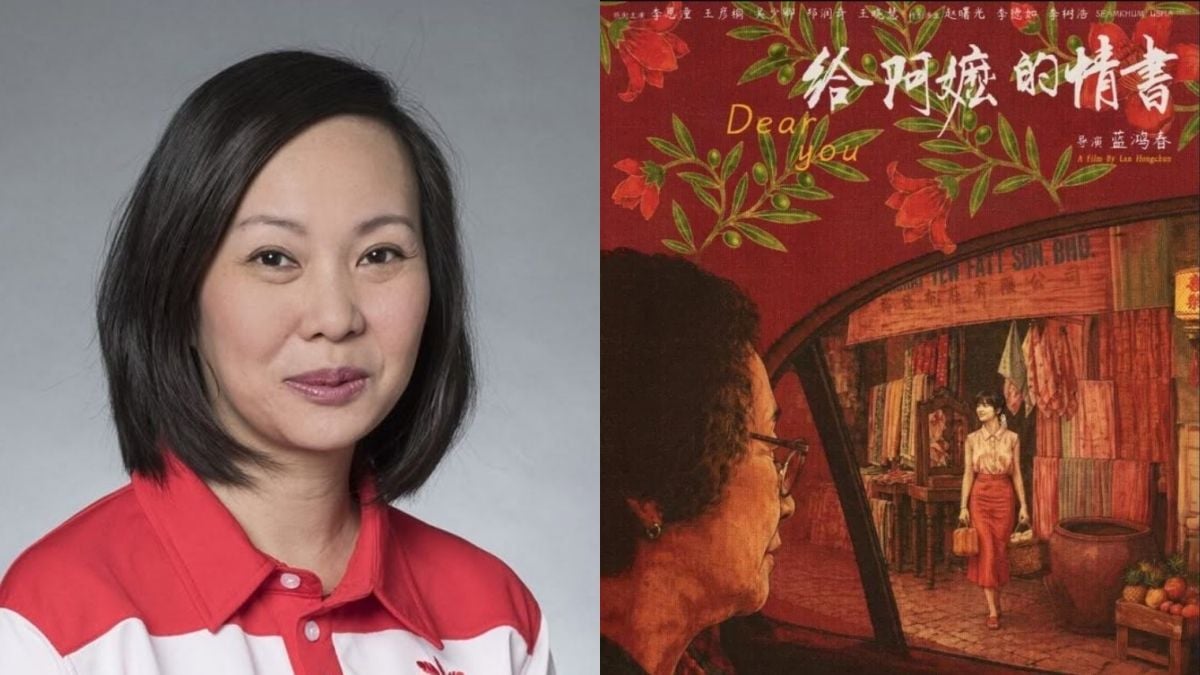
Dear You, directed and co-written by Lan Hongchun, follows two connected timelines.
One storyline centres on a grandson searching for his long-lost grandfather in present-day Thailand, while the other follows a newly married man who leaves China for Southeast Asia in the 1940s in search of work.
The film became one of China’s biggest box-office successes in 2026 and opened in Singapore cinemas on 18 June.
Interest in the original Teochew version grew quickly after its release.
Golden Village screened eight Teochew-language sessions between 18 June and 21 June, with all 4,800 tickets selling out within two hours after sales opened on 16 June.
On 19 June, Golden Village announced eight additional Teochew screenings at GV VivoCity’s GVMax theatre between 25 June and 29 June.
The cinema operator said it had worked with Clover Films to request approval from IMDA for the additional sessions.
Tickets for the newly approved screenings went on sale at 3pm on 22 June through Golden Village’s ticketing channels and box-office counters.
They sold out within one and a half hours, with long queues reported both online and at the cinema.
Chinese-language daily Lianhe Zaobao reported that nearly 300 people queued at the Golden Village VivoCity ticket counter by 3pm.
Strong demand also led to activity on the secondary market.
A ticket for the 7.20pm screening on 27 June was listed for resale on online marketplace Carousell at S$119 around 4.30pm on 22 June, about 90 minutes after tickets went on sale.
Filmmakers call for policy review
Singapore filmmakers have also called for authorities to reconsider restrictions affecting dialect-language films.
Veteran filmmakers Eric Khoo and Jack Neo argued that dialect films should be treated similarly to foreign-language productions, particularly as dialect content is already available on streaming platforms and flights.
Other directors, including Boo Junfeng and Royston Tan, said dubbing could reduce authenticity and weaken the cultural and emotional nuances carried through dialects.
Several filmmakers said Singapore should continue balancing bilingualism objectives with the preservation of dialect heritage and original artistic expression.