Dear You distributor seeks up to 50 Teochew screenings as MDDI signals more flexible approach to dialect films
The distributor of Chinese blockbuster Dear You has applied for up to 50 Teochew-language screenings in Singapore after authorities signalled a more flexible approach to dialect films. The move follows overwhelming demand, with all approved Teochew screenings selling out within hours.
- Clover Films has submitted a new application seeking approval for up to 50 Teochew screenings of Dear You across Singapore.
- The request comes after MDDI said IMDA would take a more flexible approach when considering applications for dialect film screenings.
- Demand has been exceptionally strong, with all approved Teochew screenings selling out quickly and resale listings appearing online.

SINGAPORE: The distributor of China’s box-office hit Dear You has applied for approval to hold up to 50 Teochew-language screenings in Singapore after authorities announced they would adopt a more flexible approach towards dialect films in cinemas.
The move comes amid strong public interest in the film’s original Teochew version and follows weeks of discussion over language policies governing commercial cinema releases.
The film’s arrival in Singapore sparked debate after the Infocomm Media Development Authority (IMDA) confirmed that a Mandarin-dubbed version would be screened commercially.
While the original Teochew version was shown at the film’s premiere, authorities had initially indicated that subsequent screenings would be limited to festival and niche events.
Distributor submits new application
The Ministry of Digital Development and Information (MDDI) said on 22 June that it remained open to facilitating and supporting further Teochew screenings should the film’s distributor wish to apply, citing audience interest in the production.
Following the ministry’s statement, distributor Clover Films confirmed it had submitted a fresh application to IMDA, according to state media CNA.
“Following MDDI's statement earlier today, we have submitted our third request to seek IMDA's approval for up to 50 screenings of Dear You in Teochew over the coming weeks,” said Lim Teck, managing director of Clover Films.
“From the outset, our intention has been to make Dear You in Teochew available as widely as possible in Singapore, and we have been working closely with IMDA since late May towards this objective.”
He added: “We look forward to continuing our collaboration with IMDA on the Teochew screenings, as well as on future titles, so that we can continue bringing quality films in their original languages to audiences in Singapore.”
Lim also said the company hoped to expand screenings beyond Golden Village’s VivoCity outlet.
“We hope to extend these screenings beyond Golden Village VivoCity and make them accessible to audiences across suburban locations as well,” he said.
Government signals greater flexibility
Singapore currently requires film distributors to seek approval before screening dialect-language films in cinemas.
Responding to public interest in Dear You, MDDI acknowledged growing calls for dialect films to be more widely available.
“We hear the calls for dialect films to be more freely screened in cinemas,” the ministry said.
“Under the current framework, applications have to be made for such screenings. However, the IMDA will take a more flexible approach in considering these applications.”
MDDI thanked members of the public and industry partners for their feedback and interest in the film’s release. It also welcomed the broader discussion generated by the film on Chinese dialects and cultural identity in Singapore.
Demand for original version surges
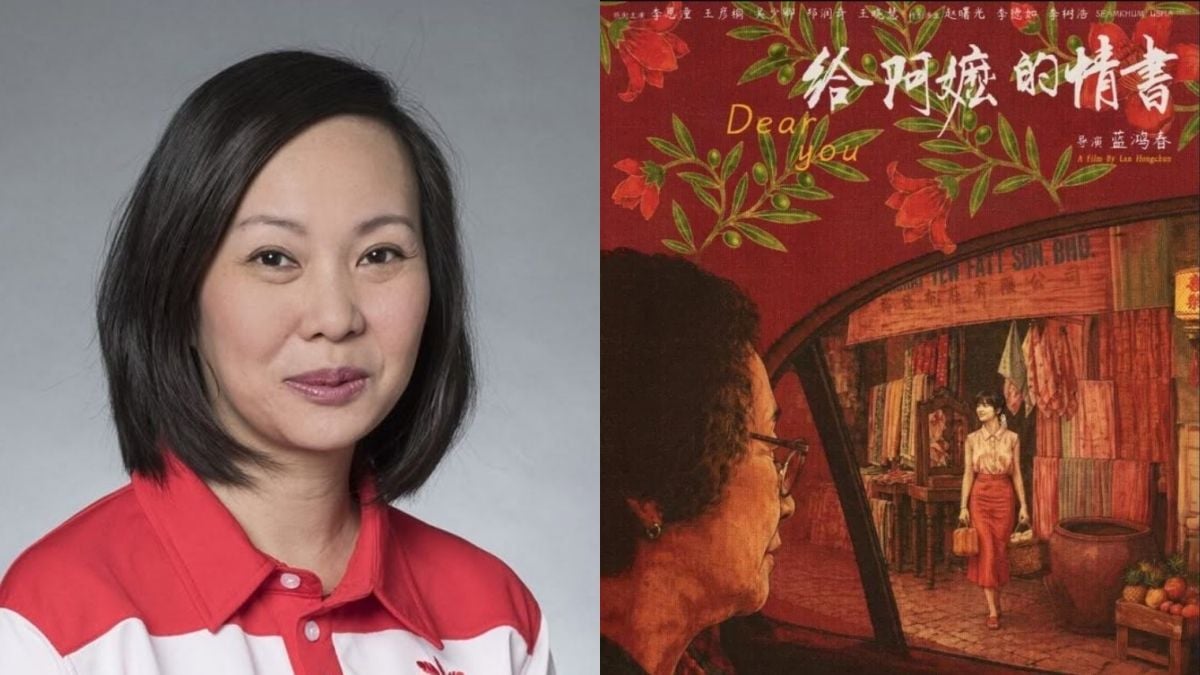
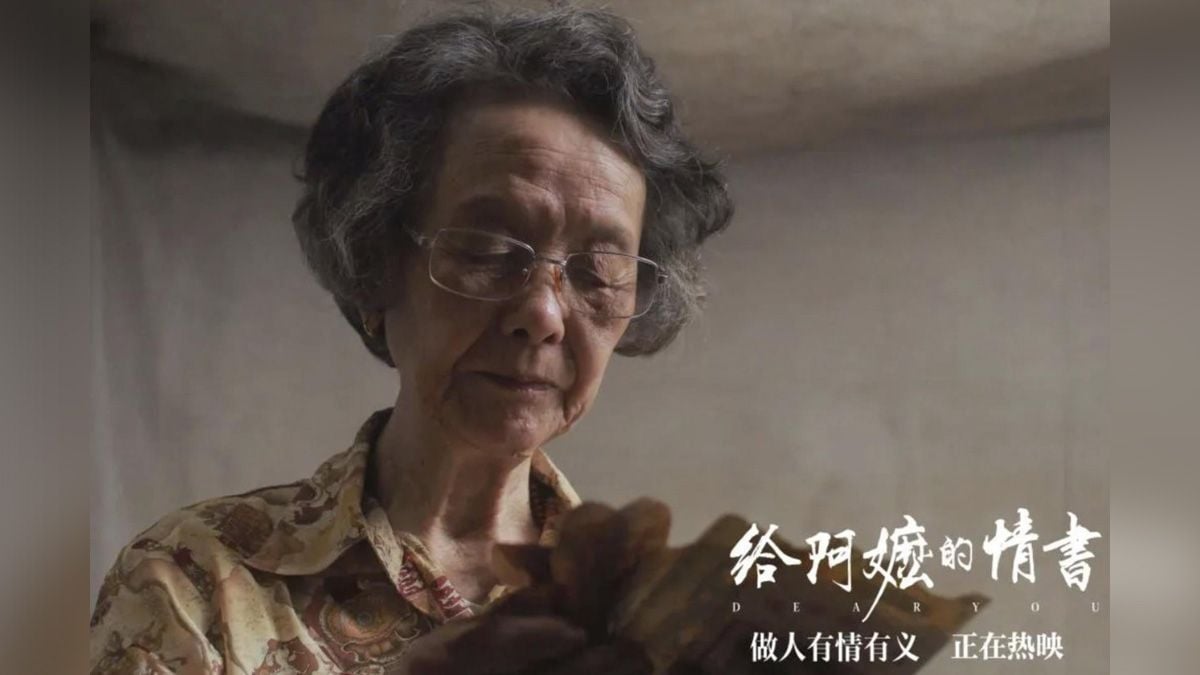
Directed and co-written by Lan Hongchun, Dear You tells the story of two interconnected timelines.
One follows a grandson searching for his long-lost grandfather in present-day Thailand, while the other centres on a newly married man who leaves China for Southeast Asia in the 1940s in search of work.
After becoming one of China’s biggest box-office successes this year, the film opened in Singapore cinemas on 18 June.
Demand for the original Teochew version quickly became evident.
Golden Village screened eight Teochew-language sessions between 18 and 21 June, with all 4,800 tickets selling out within two hours after sales opened on 16 June.
On 19 June, the cinema operator announced eight additional Teochew screenings to be held at GV VivoCity’s GVMax theatre between 25 and 29 June. The company said it had worked with Clover Films to request approval for the additional sessions from IMDA.
Tickets for the newly approved screenings went on sale at 3pm on 22 June through Golden Village’s ticketing channels and box-office counters. They sold out within one and a half hours, with long queues reported both online and at the cinema.
Chinese-language daily Lianhe Zaobao reported that nearly 300 people queued at the Golden Village VivoCity ticket counter by 3pm.
The strong demand also fuelled activity on the secondary market.
On online marketplace Carousell, a ticket for the 7.20pm screening on 27 June was listed for resale at S$119 around 4.30pm on 22 June, roughly 90 minutes after tickets first went on sale.
Several users were also seeking tickets through the platform, with one offering S$50 for one or two seats to the Teochew screenings.
Official ticket prices were S$18.50 for the general public and S$16.50 for Golden Village Movie Club members.
Appeals from the film community
The MDDI statement followed sustained commentary from film-makers.
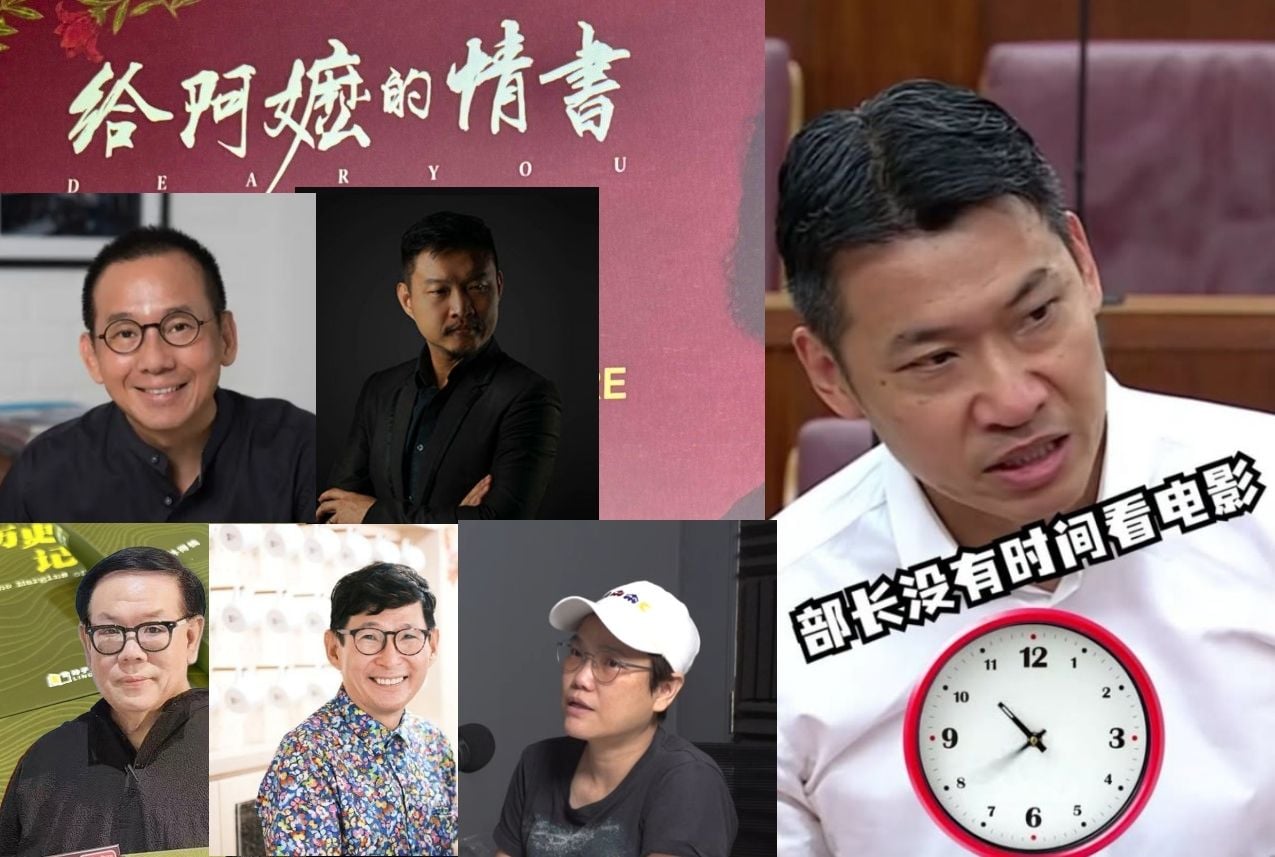
On 19 June, The Straits Times published a letter from film-makers Eric Khoo, 61, and Jack Neo, 66, who hoped the authorities would set out a new direction beneficial to the industry's stakeholders.
Khoo and Neo wrote that screening a dialect film was no different from screening a French or Malay film.
They questioned why cinemas should continue to bear what they called an outdated policy, given that dialect content was already permitted on streaming platforms and aircraft.
Several other film-makers favoured the original version. Boo Junfeng, 42, who directed Sandcastle and Apprentice, said he would not watch the dubbed version, as it diminished the film's authenticity.
Boo, who is Hokkien, said the bilingual policy had served its purpose but it was time to move on. Watching films in their original Chinese dialects would not erode bilingualism, he said.
Film-maker Royston Tan, 49, said he intended to travel to Malaysia to watch the Teochew version. He said language was an important part of the story and he preferred to experience the film as intended.
Tan said the bilingual policy, while beneficial, had unintentionally contributed to the decline of dialects. Singapore should find a better balance between bilingualism and preserving its linguistic heritage, he added.
Kelvin Sng, 52, who directed The Fortune Handbook and King Of Hawkers, said his friends held mixed views. While he had no issue watching the film in Mandarin, he said language carried culture, emotion, rhythm and identity.
Producer Huang Junxiang, 38, whose credits include Tiong Bahru Social Club and Ramen Teh, said he would watch the Mandarin version begrudgingly. He said a dub removed the nuances of the actors' performances and the context of the Nanyang immigrant era.
Film-maker, cartoonist and lawyer Colin Goh, 55, who is Teochew, urged others on Facebook to watch the Teochew version rather than the dub. He described the film as a thoughtful and entertaining piece of work.